

Swiss Vintage Watch Collecting Guide Investment Value Maintenance Tips

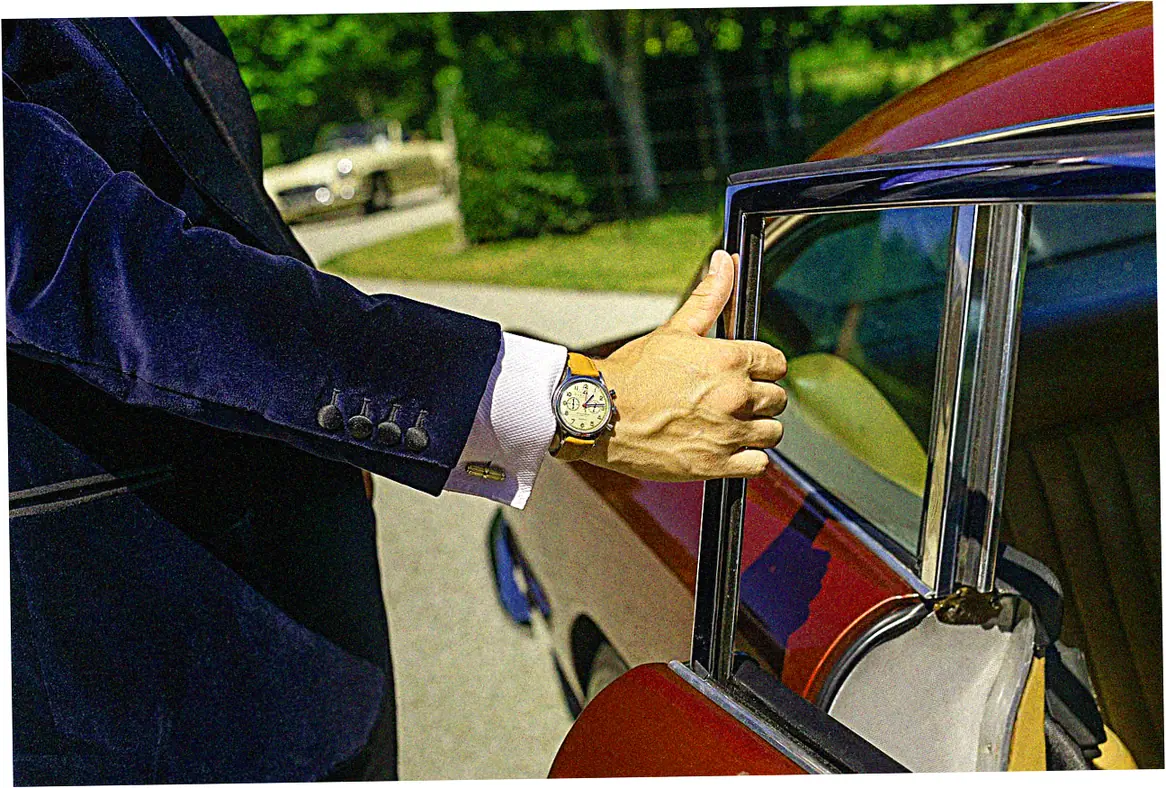
It’s pure magic when a Swiss vintage watch ticks on your wrist. It’s not just telling time—it’s a real piece of history. Fans love these watches for the amazing craftsmanship, the stories behind every scratch, and that cool mechanical style you just don’t get with smartwatches. Maybe you’re into a classic old Rolex or a quirky lesser-known brand. Either way, collecting these watches mixes passion with the fun of the hunt. This guide covers it all—from spotting real deals to keeping them running, so your collection lasts for ages.
Here’s what we’ll cover:
- What exactly are Swiss vintage watches? Their history and key traits.
- Why should you collect them? They’re great investments and packed with emotional value.
- How to spot a real Swiss vintage watch: a buyer’s guide.
- The most popular models and brands collectors go for.
- Keeping your Swiss vintage watches in top shape with proper care.
- What’s happening in the market now? Trends, fakes, and things to watch out for.
- Wrapping up and what to do next.
- Frequently asked questions about Swiss vintage watches.
Defining Swiss Vintage Watches: History and Key Characteristics
What Makes a Watch Vintage?
When we say vintage, we usually mean watches that are 20 to 30 years old or more. They come from a special time in watchmaking history, with their own unique designs and tech. People love Swiss vintage watches because of their mechanical movements.
Back in the mid-1900s, skilled crafters often put these together by hand. You can spot them by a few key things: the dial has that cool aged look, they might have manual winding, and they often use materials like acrylic crystals and old radium lume.
They’re not like modern copies or fake Submariners. Real vintage watches have a special charm because they’ve been worn and have a history.
Collectors always check for signs that a watch is original. They look for untouched dials and matching serial numbers so they don’t end up with a Frankenwatch—that’s a watch pieced together from different parts.
A Swiss vintage watch’s value isn’t just about how it works. It’s also about its story—maybe it was issued to the military or it’s a classic dress watch from the 60s. Knowing these little details helps you tell a true vintage treasure apart from just an old watch.
Historical Eras and Their Significance
The best time for Swiss vintage watches ran from the 1940s through the 1980s. Every ten years brought new styles and cool innovations. In the 1950s, we got tough tool watches like the Rolex Submariner, made for pro divers.
The 60s were all about elegance—thinner cases and dress watches. Then the 70s tried out bold designs and quartz tech. Big names like Omega, Patek Philippe, and Longines really shaped these times with their advances in making watches more accurate and durable.
Take WWII military watches, for example. Everyone wants them because they’re so tough and packed with history. And when automatic movements came along in the 50s, it totally changed the game for convenience.
Knowing these eras helps collectors understand what they’ve found. It could be a space race chronograph or a simple Art Deco piece. All this history makes collecting even more interesting.
Why Collect Swiss Vintage Watches? Investment and Emotional Value
Financial Appreciation and Market Trends
Swiss vintage watches are actually solid investments. They often go up in value because they’re rare and everyone wants them. Prices keep climbing thanks to limited runs, discontinued models, and their cool history.
Just look at the Paul Newman Daytona—it went for millions at auction. That shows you the kind of returns possible. Right now, there’s big demand for watches from the 60s and 70s. Sports models like the Omega Speedmaster or Heuer Carrera are especially hot.
But you gotta do your homework. The value really depends on the condition, if it’s all original, and its history. Unlike stocks, you can actually enjoy wearing a vintage watch while your investment grows.
Don’t just buy into the hype. Focus on classic pieces that have a well-documented past. Sure, Christie’s and Sotheby’s give you market info, but the real finds can be on niche forums or through dealers for collectors in the know.

Emotional Connection and Personal Satisfaction
It’s not just about the money, though. Collecting these watches creates a real emotional connection. Every watch has a story—maybe it’s a family heirloom, or maybe you scored it at a Paris flea market.
There’s something magical about the mechanics. Peeking through a display back to see all those gears moving—it’s a feeling quartz or smartwatches just can’t match. For a lot of us, it’s a hobby that mixes art, engineering, and history into something you can wear.
Bringing a neglected watch back to life is incredibly satisfying. It’s like you’re preserving a bit of cultural history. There are whole communities of fans who share stories and knowledge. It turns a solo hobby into a shared passion.
That emotional pull changes everything. It’s not just about buying stuff; it becomes a lifelong journey of discovery and appreciation.
Identifying Authentic Swiss Vintage Watches: A Buyer’s Guide
Key Authentication Techniques
If you want to authenticate Swiss vintage watches, check the details carefully—like the engravings on the movement, the serial numbers on the case, and the condition of the dial. Make sure the parts are original and match the maker’s records.
Take Rolex, for example—their serial numbers sit right between the lugs. Watch out for any signs of refurbishment—like a repainted dial or new hands. Stuff like that can lower the watch’s value.
Use a magnifier to check the logos, see if the fonts match, and look at how the lume has aged. That’ll help you catch fakes.
Having original paperwork—like receipts or service records—really boosts credibility. Be careful with super clone Submariners or replicas from places like Clean Factory. They might look the part, but they don’t have real history.
It’s a good idea to get help from experts or use authentication services, like from the Horological Society of New York. It gives you peace of mind. Just remember—stay patient and keep learning. Those are your best weapons against fakes.
Common Pitfalls and Red Flags
New collectors often get tricked by deals that seem too good to be true—like a vintage Rolex selling way below market price. Watch out for red flags: lume that doesn’t match, wrong fonts, or modern parts—like sapphire crystals—on older watches.
Then there are Frankenwatches—put together from different parts—trying to pass as the real deal. If a seller’s description is vague or they don’t accept returns, that’s suspicious.
Always ask for high-res photos and compare them with verified examples you find online. You can also hop on forums like Watchuseek—there are communities there where you can get second opinions. Don’t just buy on impulse.
Take your time to learn about specific models and their little quirks. That way, you can make sure your collection stays both genuine and valuable.
Popular Models and Brands in Swiss Vintage Watch Collecting
Iconic Brands: Rolex, Omega, and Beyond
Rolex really rules the vintage watch world. Think Submariner, Daytona, and Datejust – these models are famous for being super tough and having a classic look that never gets old. Omega isn’t far behind.
Their Speedmaster, you know, the Moonwatch, and the whole Seamaster line are great. They give new collectors a way to get into the hobby without breaking the bank.
Then you’ve got the top-tier brands like Patek Philippe and Audemars Piguet. This is high-end stuff. Old Calatrava or Royal Oak models from them? They cost a fortune.
Don’t sleep on the lesser-known names either. Brands like Universal Genève or Enicar have some real hidden gems. You often find cool, innovative features on their watches, and they’re much easier on your wallet.
Mixing up your collection with different brands is a smart move. It spreads out the risk and makes your collection a lot more interesting. Every brand has its own thing. Longines, for instance, is all about those elegant dress watches.
Heuer, on the other hand, was a real pioneer in making automatic chronographs. Doing a bit of homework on these little details makes your collecting strategy way better.
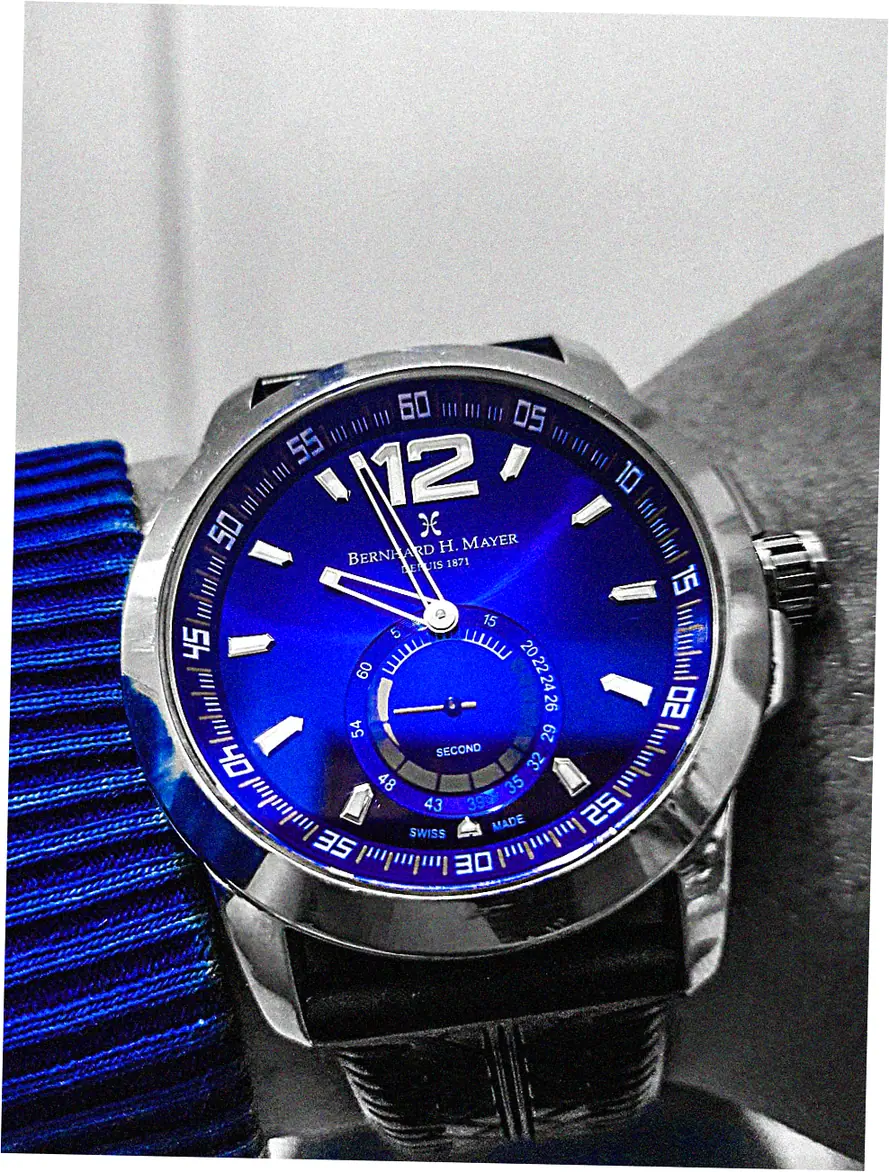
Must-Have Models for Collectors
For a lot of folks, the ultimate find is a Rolex Submariner Ref. 5513 from the 1960s. It’s got that cool matte dial and a clean, no-date look. Omega’s Speedmaster Professional Pre-Moon versions are super sought after.
These were made before NASA even certified the watch for space missions. If you’re into dress watches, the Patek Philippe Calatrava Ref. 96 is the definition of quiet luxury. Military watches, think Hamilton GG-W-113 or IWC Mark XI, are packed with history.
Chronographs are prized too. The Heuer Carrera or the Universal Genève Compax are loved for their complex mechanics and their deep ties to auto racing.
When you’re picking out a watch, always keep an eye on a few things: how rare it is, what shape it’s in, and if all the parts are original. The best collections have a mix of everything – dive watches,
chronographs, dress pieces. This way, your collection is well-rounded and tells the whole story of watchmaking.
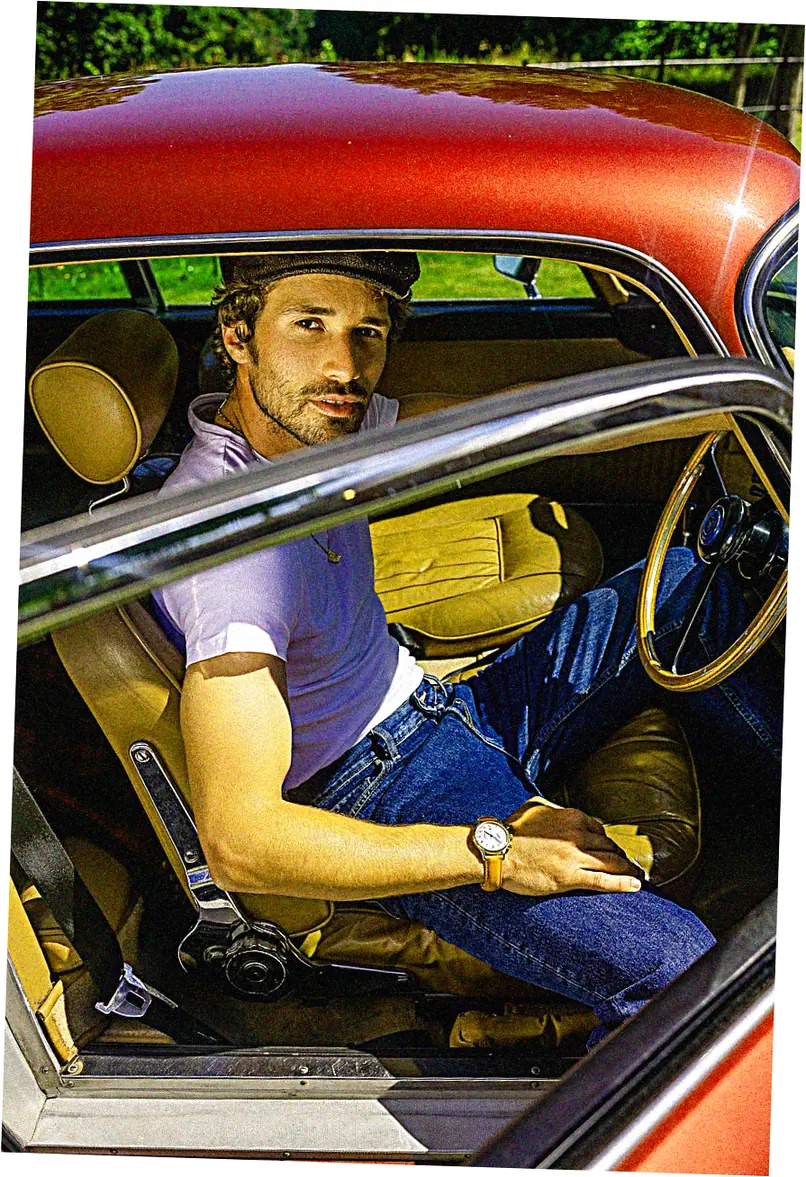
Maintaining and Servicing Your Swiss Vintage Timepieces
Routine Care and Best Practices
Taking good care of your Swiss vintage watch helps it last longer. Keep it away from water, magnets, and really hot or cold places—these can mess up the mechanical parts.
If you have a manual wind watch, wind it gently and regularly to spread the oils inside. For water-resistant vintage watches, have a pro check the seals every year. Store your watch somewhere cool, dry, and away from magnets to keep it in good shape.
A soft cloth cleans off dirt without hurting the watch’s natural aging. Don’t polish the case too hard—it can ruin the original look and lower its value.
Wearing it regularly keeps it running smoothly, but skip sports or swimming if it’s not water-resistant. Keep records of any services—it helps you stay on top of maintenance and keeps the value high.

When to Seek Professional Servicing
Get your Swiss vintage watch serviced every 3 to 5 years by a certified expert to keep it in good working order. If it’s losing time, stops running, or makes weird noises, it’s time for a check-up.
Pick someone who knows vintage watches—new methods don’t always work on old movements. Talk about keeping things original—like not refinishing the dial if it’s still the real deal.
Prices depend on the watch—simple service may run $200 to $500, but complex chronographs can go over $1,000. Always ask to get the old parts back. Stay away from unofficial shops—they might use fake parts.
With the right care, your Swiss vintage watch can become a trusted family treasure for years to come.
The Modern Market: Trends, Replicas, and Ethical Considerations
Rise of Super Clones and Replica Watches
Swiss vintage watches are super popular, and that’s led to a whole market for replicas. You’ve got these super clone submariner models coming out of places like Clean Factory.
These fakes might look the part, but they don’t have the real craftsmanship or the rich history of the original Swiss vintage watches. Sure, they’re tempting if you’re on a budget, but buying them hurts the whole collecting scene.
Plus, that money often ends up funding some shady stuff. You gotta learn the differences to avoid getting scammed. Pay attention to the weight, how the movement sounds, and how deep the engravings are.
Collecting the right way means you go for authentic pieces and buy from legit dealers. Stick to trusted platforms like Chrono24 or Hodinkee. They vet their listings, so you’re way less likely to run into a fraud.
Being upfront about what’s a repro and what’s an original keeps the hobby honest and credible. Just remember, the real value is in the genuine history of a Swiss vintage watch, not in some copy.
Sustainable Collecting and Future Outlook
Sustainable collecting is all about taking good care of your pieces. Preserve them with proper care and don’t over-restore them. Now, more younger folks are getting into collecting, looking for cheaper ways to start.
That’s really driving up demand for Swiss watches from the 80s and 90s. Trends are changing too. Smaller case sizes and neo-vintage designs are really catching on now.
Buying online makes it easier to find watches, but you gotta stay sharp to avoid fakes. They’re still making mechanical watches today, and these could become the vintage pieces of tomorrow. Focus on quality, not just how many you have.
That makes your collection actually mean something and is better for the planet too. Think of it as leaving a legacy, not just piling up stuff.
Conclusion and Next Steps
Collecting Swiss vintage watches is like a fun journey. It mixes history, cool artistry, and your own passion. You’ll learn to spot real ones and keep their mechanics running.
Every step makes you appreciate them more. Just start with one iconic model. Do some research, hop into online forums, and get hands-on with watches to train your eye. Remember, take your time and learn the ropes. Don’t rush to buy something.
Ready to start? Check out good dealers, go to watch fairs, and maybe join a watch club. Your first Swiss vintage watch isn’t just a buy—it’s the beginning of a timeless adventure.
Share what you find, ask lots of questions, and join a community that loves the past and keeps ticking into the future.
FAQ About swiss vintage watches
So, what exactly makes a watch a Swiss vintage piece?
Well, a Swiss vintage watch is usually 20 to 30 years old or more. It’s got to come from Switzerland, feature a mechanical movement, and have some real history behind it.
Look for key signs like all-original parts, a nice patina, and a design that screams its era—think acrylic crystals or manual winding.
Worried about buying a fake vintage watch?
Here’s the trick: check the little things. Look closely at the serial numbers, make sure the dial looks right, and that the movement is the real deal.
Stick with dealers you trust, ask for any paperwork that proves its history, and don’t be shy about getting an expert’s opinion. Watch out for super convincing fakes, like those Super Clone Submariners or copies from Clean Factory. They might look the part but have zero real heritage.
Thinking of Swiss vintage watches as an investment?
Yeah, lots of them go up in value because they’re rare and people want them. But you gotta do your homework first. Your best bet is to focus on iconic models from big names like Rolex or Omega, especially if they’re in good shape.
Don’t get caught up in the hype and overpay. For long-term value, originality and a solid history are what really matter.
How often does a vintage watch need a service?
A good rule of thumb is every 3 to 5 years. And make sure you take it to a specialist who knows their way around old-school mechanics. If it starts losing time or just stops, that’s a pretty clear sign it’s due for a check-up.
Talk to your watchmaker about keeping all the original parts—that really helps keep its value up. And when you’re not wearing it, store it properly to keep it from getting worn out.


