

Which Women’s Watch Type Suits You?

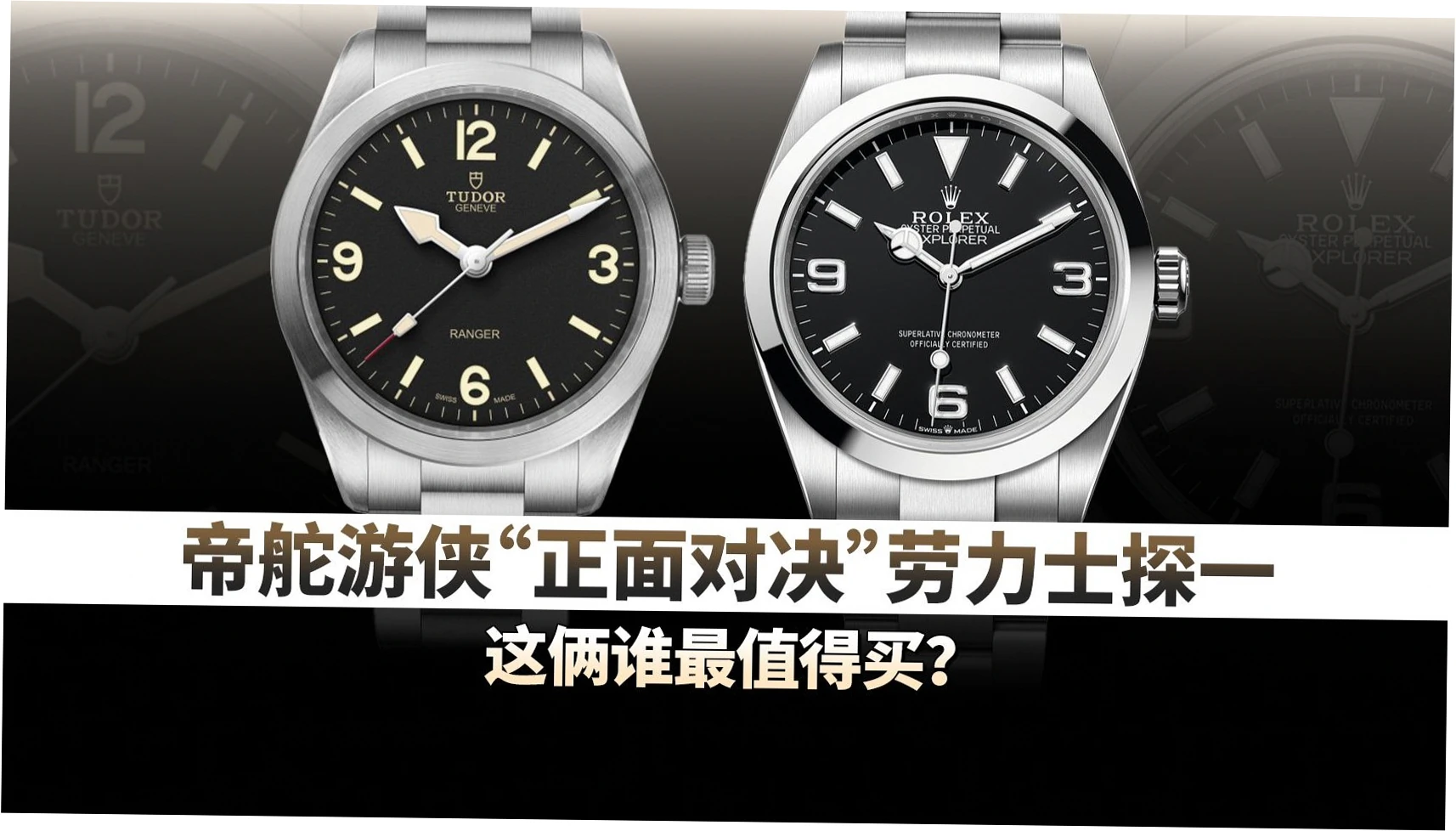
So you’re looking up types of women’s wrist watches. You probably just want a simple guide to help you find your way through all the amazing, but kinda confusing, options out there. Let me be your guide. I’ve spent years helping friends and clients pick the perfect watch for them. Here’s the real deal: the best watch for you isn’t the priciest or the coolest-looking one. It’s the watch that just fits right into your life, matches your personality, and does what you need it to do. Forget just looking at lists. Let’s get into a better way of thinking that ties together the watch’s look, what it does, and why you want it.
Table of Content
Defining the Core Categories: Beyond Just Looks
Mechanism Movement: The Heart of the Watch
Understanding the engine: The movement is the most critical differentiator. Quartz watches are powered by a battery and a tiny quartz crystal, offering incredible accuracy and low maintenance—ideal for someone who asks.
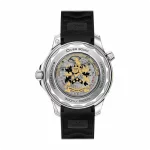
What’s the most reliable and hassle-free watch for daily wear? Mechanical watches, including automatics, are powered by a complex spring and gear system, often visible through a transparent case back.
They appeal to those who appreciate craftsmanship and tradition, pondering, How does a self-winding mechanical watch work, and is it worth the care?
Form Function: Dressing for the Occasion
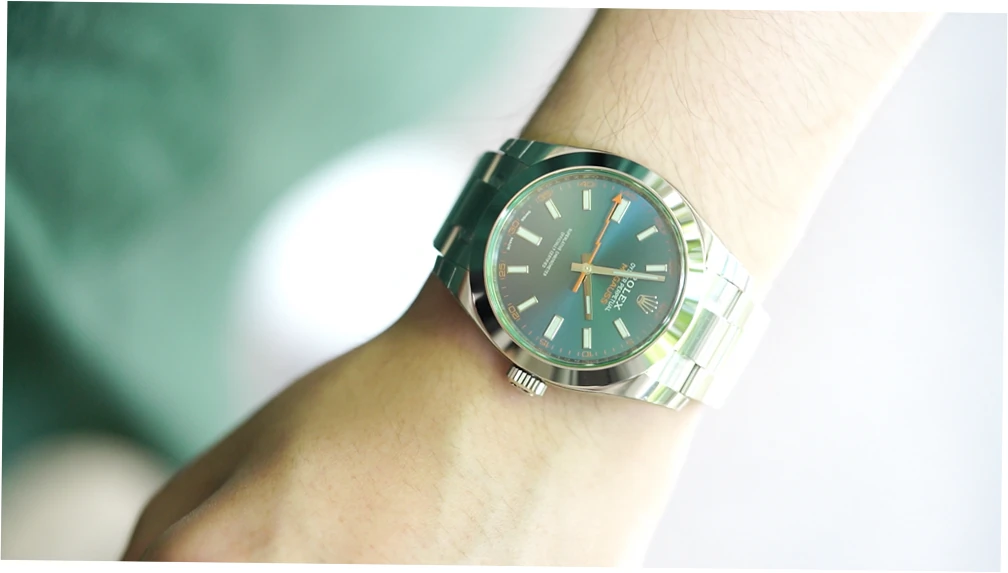
Style as a functional tool: Categories like dress, casual, sport, and luxury aren’t just about aesthetics; they dictate features and durability. A delicate dress watch with a leather strap and minimal markers is perfect for formal events but risks damage during a workout. Conversely, a sport watch with a chronograph and 100m water resistance answers the query, What are the best women’s watches for swimming and active lifestyles? Recognizing this alignment prevents the common mistake of wearing a fragile piece for rugged activities.
Navigating the Decision: Your Lifestyle as a Compass.
Matching Watch to Daily Rhythms
Audit your routine: Start by logging a typical week. Do you have boardroom meetings, school runs, gym sessions, or outdoor hobbies? For the professional in client-facing roles.
a classic stainless steel watch or a minimalist design projects confidence. For the creative freelancer or artist, a unique art dial or a vintage-inspired piece might spark joy.
I’ve seen clients realize they needed a workhorse watch for weekdays and a statement piece for weekends, solving the one-watch-fits-all dilemma.
The Budget Value Matrix
Think of it as an investment or just an expense? Well, the price really splits things into different groups. If you’re looking under $500, you can get some great quartz watches and basic automatics.
Brands like Citizen, Seiko, and Tissot are good places to start. Move into the mid-range, say $500 to $3000, and you’ll see Swiss automatic movements and nicer materials.
Luxury and haute horlogerie ($3000 ) involve precious metals, complications, and heritage brands. a big question pops up: what makes a women’s luxury watch a good long-term buy? The answer usually isn’t about what’s trendy right now.
Look at the brand’s history, how good the movement is inside, and the real value of the materials.
| Watch Type | Ideal For Lifestyle/Role | Key Features to Prioritize | Common Pitfalls to Avoid |
|---|---|---|---|
| First up, the dress watch. | It’s perfect for corporate jobs or formal events. | You want a thin case, a leather or metal bracelet, and a nice, simple dial. | Just watch out for low water resistance and a delicate crystal. |
| the sports watch. | This one’s for athletes, outdoor lovers, or busy moms always running around. | High water resistance (100m ), durable case/strap, luminescence | Don’t get a case that’s too big for your wrist, or a bunch of complicated features you’ll never actually use. |
| Then there’s the fashion watch. | This is for following trends or matching your outfit. | Focus on a design you love that matches your style, and maybe straps you can swap out. | The downside? They often don’t last forever and don’t hold their value well. |
| Finally, the luxury or investment piece. | This is for collectors or marking a big life milestone. | Look for a brand with a great story, an in-house movement, and precious materials. | Avoid buying it just for the logo, or picking something that doesn’t actually suit your taste. |
Let’s compare some key features of women’s wrist watches: the materials, the size, and the extra functions.
Case Bracelet: The Touchpoint
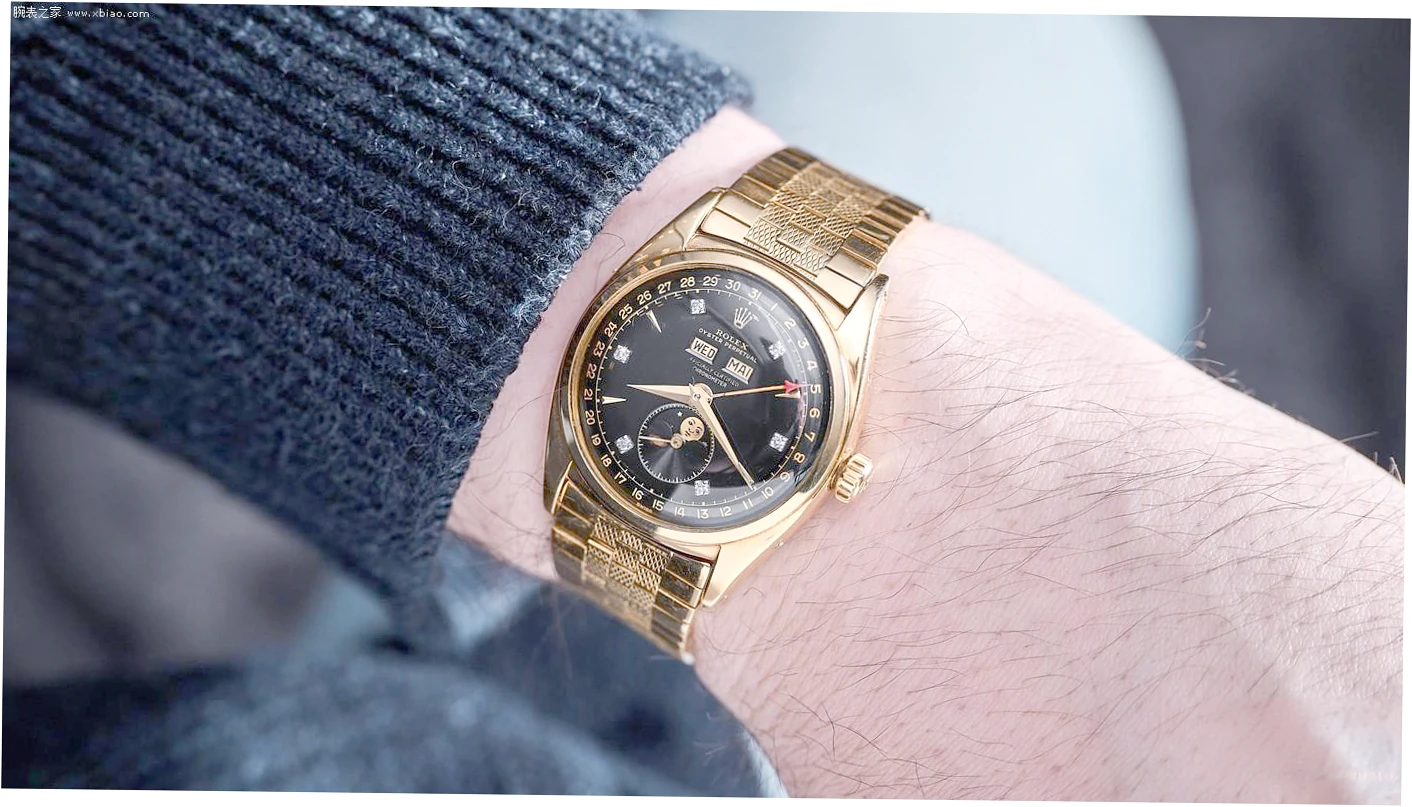
Material science on your wrist: Stainless steel is hypoallergenic, durable, and versatile. Titanium is lighter and even more corrosion-resistant, great for active users with sensitivity concerns. Ceramic offers a sleek, scratch-resistant modern look.
The strap world is vast: leather ages with character, metal is robust, nylon/NATO is casual and washable, and rubber is essential for water sports. When users search leather vs metal bracelet for women’s watches pros and cons, they’re weighing formality, comfort, and maintenance.
Dial, Size, and Legibility
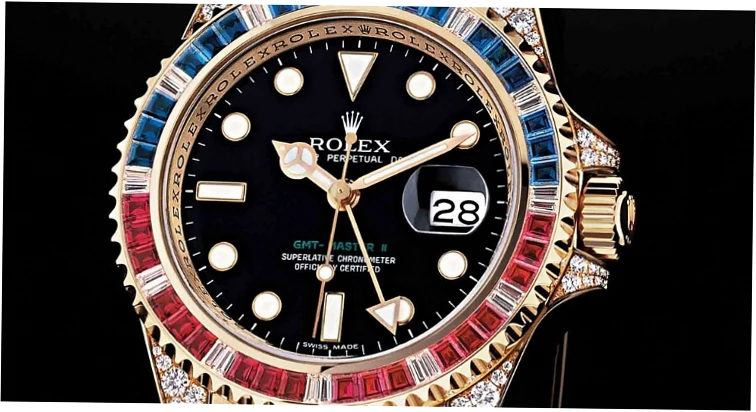
You’ve got to find that just right size. The case diameter and the distance between the lugs need to fit your wrist well. A classic sweet spot is 34mm to 36mm, though nowadays bigger sizes are popular too.
The main thing is the lugs shouldn’t hang over the edges of your wrist. The dial’s color and texture change how it looks. White or silver dials seem bigger and are super easy to read. Dark dials might look smaller but are really elegant.
Extra features like a date window, a stopwatch (chronograph), or a moon phase display—those are called complications. So ask yourself: do I really need a stopwatch, or will it just make the watch face look too busy?
Identifying Risks and Common Misconceptions
Overhyped Trends vs. Lasting Value
Beware the hype cycle: A major risk is conflating a viral fashion watch with a quality timepiece. Many trendy watches use cheap mineral glass that scratches easily, basic quartz movements with no service path, and plating that wears off.
The disappointment is real when someone searches, Why did my rose gold plated watch turn my wrist green? Another misconception is that a higher price always means better quality. Sometimes, you’re paying for marketing, not superior mechanics or materials.
Maintenance Cost of Ownership Blind Spots
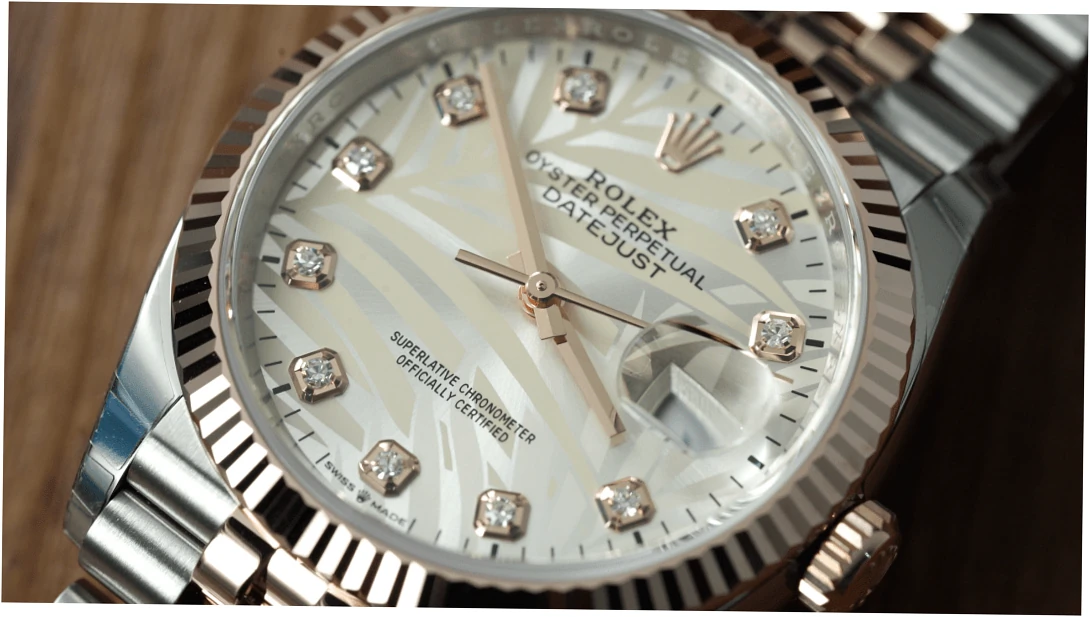
The hidden long-term contract: A mechanical watch requires servicing every 5-7 years, costing hundreds of dollars. A quartz watch needs a battery change every 2-3 years. Water resistance ratings are not permanent and can degrade with gasket age.
Ignoring these leads to costly repairs. Questions like Is it expensive to maintain a Cartier Tank? or Can I shower with my 50m water resistant watch? are crucial. The answer to the latter is usually no, as steam and soap can damage the seals.
| Risk Category | Specific Risk Example | Likely User Query | Preventive/Mitigation Action |
|---|---|---|---|
| Financial | Overpaying for brand name with low intrinsic value | Are Michael Kors watches good quality for the price? | Research movement origin, case material, and compare specs to similarly priced specialist brands. |
| Functional | Water damage despite a stated water resistance rating | My 30m watch got foggy after handwashing. Why? | Understand that 30m means splash-proof only. For swimming, seek 100m with screw-down crown. |
| Aesthetic/Longevity | Plating wearing off, strap deteriorating quickly | How to prevent the gold coating from fading on my watch? | Opt for solid stainless steel or full gold, avoid plating. For straps, have a rotation to reduce wear. |
Advanced Considerations: From Collection to Heirloom.
Building a Cohesive Collection
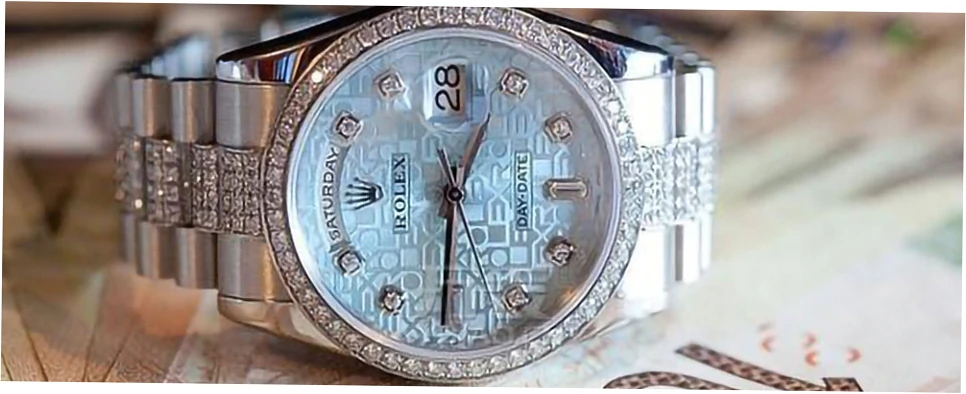
Curating a wrist wardrobe: Once beyond the first watch, think in terms of roles. A balanced collection might include a daily driver (robust, versatile), a dress piece (elegant), a sport/outdoor watch (functional), and perhaps a fun fashion piece.
The goal is to avoid redundancy. An enthusiast might ask, How to start a women’s watch collection on a budget? The strategy is to focus on pre-owned markets, microbrands, and iconic designs from accessible brands, prioritizing versatility for the first few pieces.
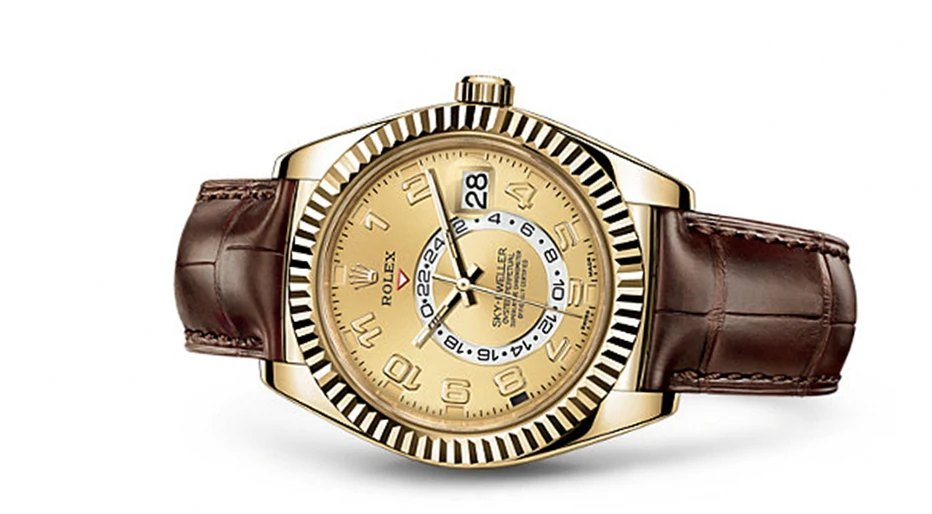
Vintage, Microbrands, and the Secondary Market
Looking beyond regular stores: Vintage women’s watches have cool, unique styles and might go up in value, but there are risks. You might not know their service history, and parts can be hard to find.
Microbrands often sell directly to you, offering really innovative designs and great features for your money. Buying pre-owned watches takes some know-how so you don’t get stuck with a fake or one in worse shape than described.
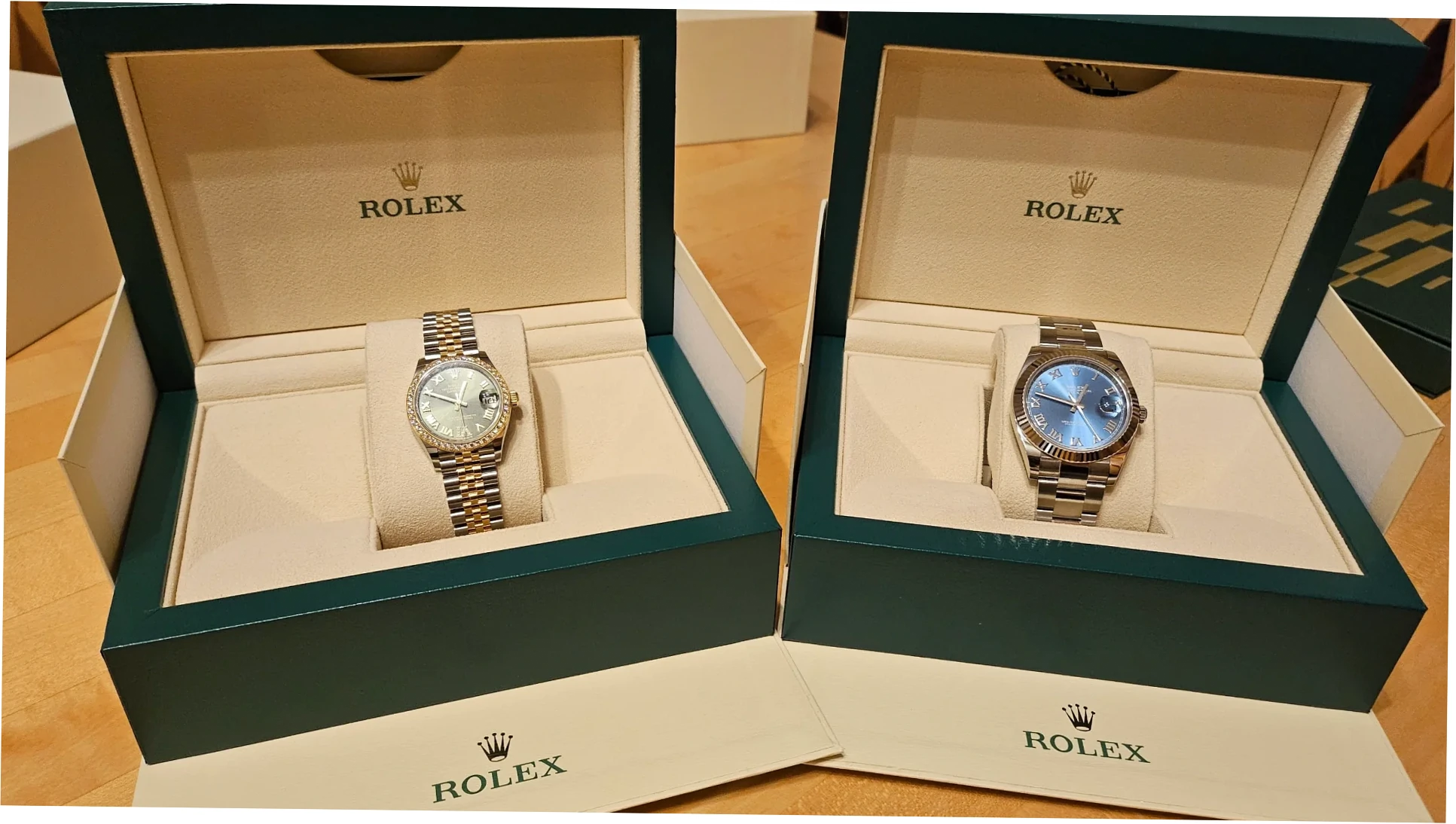
Asking things like What are good websites for used Rolex ladies watches? or How do I check if a vintage Omega is real? shows you’re getting into the more advanced side of collecting.
Your Actionable Decision Pathway
A Step-by-Step Selection Framework
Follow this path to clarity: 1. **Self-Assessment:** Document your lifestyle, wrist size (measure it!), and budget ceiling. 2. **Mechanism First:** Decide between quartz (convenience) and mechanical (craftsmanship).
3. **Style Feature Filter:** Choose the primary category (dress, sport, etc.) and 2-3 must-have features (e.g., date, water resistance). 4. **Material Fit:** Select case/strap materials for comfort and durability.
Try on similar sizes if possible. 5. **Brand Value Research:** Investigate brands in your budget tier. Read expert and owner reviews. 6. **Final Check:** Consider servicing costs, warranty, and return policy.
Where and How to Buy Confidently
You have a few choices for where to buy. Authorized dealers are safe. You get the full warranty and know it’s real, but you’ll pay the full price. Good grey market sellers often have lower prices.
but the manufacturer’s warranty might be shorter or not included. You can also find great value on trusted platforms that sell pre-owned watches. If this is your first big watch buy, going to an authorized dealer is usually the safest bet.
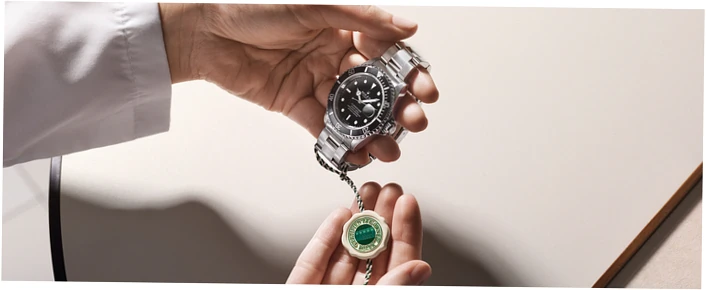
And for a luxury watch, always make sure you get the official papers and the box. One last tip: look for real photos and wrist shots online, not just the fancy ads. This shows you how the watch really looks and fits on someone.
| Decision Phase | Your Notes Criteria | Options/Models Shortlist | Priority (1-5) |
|---|---|---|---|
| 1. Budget Movement | e.g., Under $800, Quartz for low maintenance | ||
| 2. Primary Use Case | e.g., Everyday office wear, business casual | ||
| 3. Must-Have Features | e.g., Date window, ≥50m WR, blue dial | ||
| 4. Material Size | e.g., Stainless steel, ~34mm, leather strap | ||
| 5. Final Contenders | e.g., Tissot Classic Dream, Citizen Eco-Drive Silhouette |
Getting into women’s watches is a personal and really exciting journey. Use this guide to start a chat with yourself about what you really want on your wrist, don’t treat it like strict rules. grab the top two watches from your list.
Go deep into watch forums or YouTube to find reviews from people who actually own them. Seeing how a watch looks and works on someone like you is the best and final bit of research you can do.
FAQ: Your Top Questions Answered
I have a small wrist (under 6 inches). What case size should I look for to avoid it looking too big?
Focus on the lug-to-lug measurement more than the diameter. A watch with a 36mm diameter but long, straight lugs might overhang your wrist, while a 38mm with curved, short lugs could fit perfectly.
Generally, aim for a lug-to-lug distance less than the width of the top of your wrist. Try sizes between 28mm and 36mm as a starting point. Virtual try-on tools on brand websites can be surprisingly helpful for initial screening.
What’s the real difference between a $200 fashion watch and a $200 watch from a watch brand like Seiko or Citizen?
The difference is under the hood. The $200 fashion watch likely invests most of its cost in marketing and licensing, using a generic, inexpensive quartz movement and mineral glass.
The $200 Seiko/Citizen will typically feature a proprietary, reliable movement (like Citizen’s Eco-Drive solar tech), harder sapphire crystal or their proprietary Hardlex, and better quality control. You’re paying for horological engineering, not just a brand name attached to apparel.
Can I wear my luxury dress watch, like a Cartier or an Omega De Ville, every day?
You can, but with conscious care. These watches are built to last, but daily wear exposes them to more shocks, scratches, and moisture. A leather strap will wear out faster with daily sweat.
For true daily beater use, a sport model (like an Omega Aqua Terra or a Rolex Oyster Perpetual) in steel is more suitable. If you daily a dress watch, consider insuring it and be prepared for more frequent polishing and strap changes.
Is a smartwatch a good replacement for a traditional women’s watch?
It’s an alternative, not a replacement, serving different core needs. A smartwatch is a tech tool for notifications, fitness, and connectivity. A traditional watch is jewelry, a craft object, and a long-term companion.
Many women end up owning both, using the smartwatch for workouts and weekdays and the traditional watch for evenings, weekends, or special occasions. Consider your primary need: data or decoration, utility or heirloom.
How often do automatic watches need servicing, and what happens if I don’t service it?
General recommendation is every 5-7 years. Servicing involves cleaning, lubricating, and regulating the movement. If you don’t service it, old oil can gum up, parts wear faster, and accuracy degrades.
Eventually, it can lead to a major, costly breakdown. The cost can range from $200 for a basic service to over $1000 for complex luxury watches. Factor this into the long-term cost of owning a mechanical timepiece.
What are the best watch brands for women who want something unique and not seen on everyone?
Check out microbrands and independent makers. Brands like Nomos Glashütte (Bauhaus design), Junghans (maximalist Meister drivers), Farer (colorful, retro designs), or Christopher Ward (high spec, direct-to-consumer) offer distinctive aesthetics. look at smaller Swiss brands like Oris or Raymond Weil which have strong women’s collections that fly under the radar compared to the giant luxury groups.
Are diamond-accented watches a good investment?
Honestly, they’re rarely a good financial investment. Those diamond accents on regular watches come with a huge markup. And when you try to sell them, their value drops like a rock. You’re really just paying for the look, for the sparkle.
So if you love how they sparkle, just buy one for that reason. If you want a watch that might hold its value, look at classic models from the big-name brands.
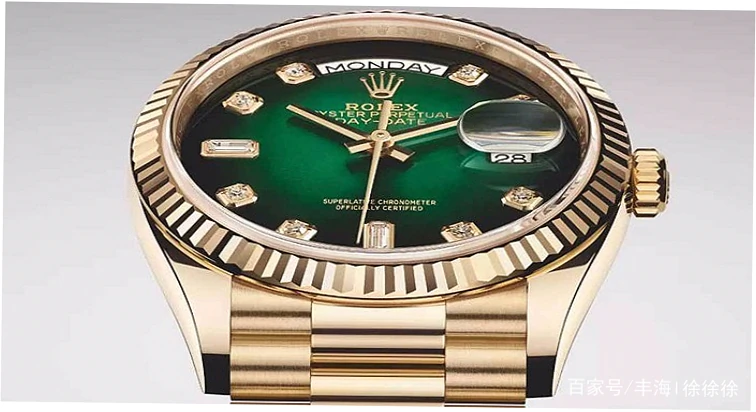
Go for ones made of precious metals, and make sure they have their original papers and history. Take a simple gold Rolex Datejust, for example. It’ll probably keep its value way better than a flashy, diamond-covered fashion watch that costs about the same.