

Swiss Watch Movement Mechanics Types Quality Explained


Ever thought about what makes a Swiss watch actually tick? It’s not magic — it’s the movement. That’s the real heart and soul of the watch. As a watch enthusiast with over a decade of experience, I’ve come to appreciate that the term Swiss watch movement refers to the intricate mechanical or quartz mechanism crafted primarily in Switzerland, renowned for precision, durability, and artistry. While browsing for a Swiss dress watch or even spotting a steal super clone 36mm Rolex Day Date 128235 Everose Eisenkiesel, it’s the movement inside that defines its authenticity and value. Understanding this helps you see beyond the surface, whether you’re investing in luxury or exploring cheapest price watches with reliable internals.
Here’s what we’ll cover:
- First up: what exactly is a Swiss watch movement?
- Then, the different types of Swiss movements.
- What makes a quality movement stand out?
- How do Swiss movements compare to others?
- Tips on spotting a real Swiss movement.
- How to pick the right one for you.
- And finally, some FAQs on Swiss watch movements.
Defining Swiss Watch Movement Fundamentals
Core Components and Mechanics
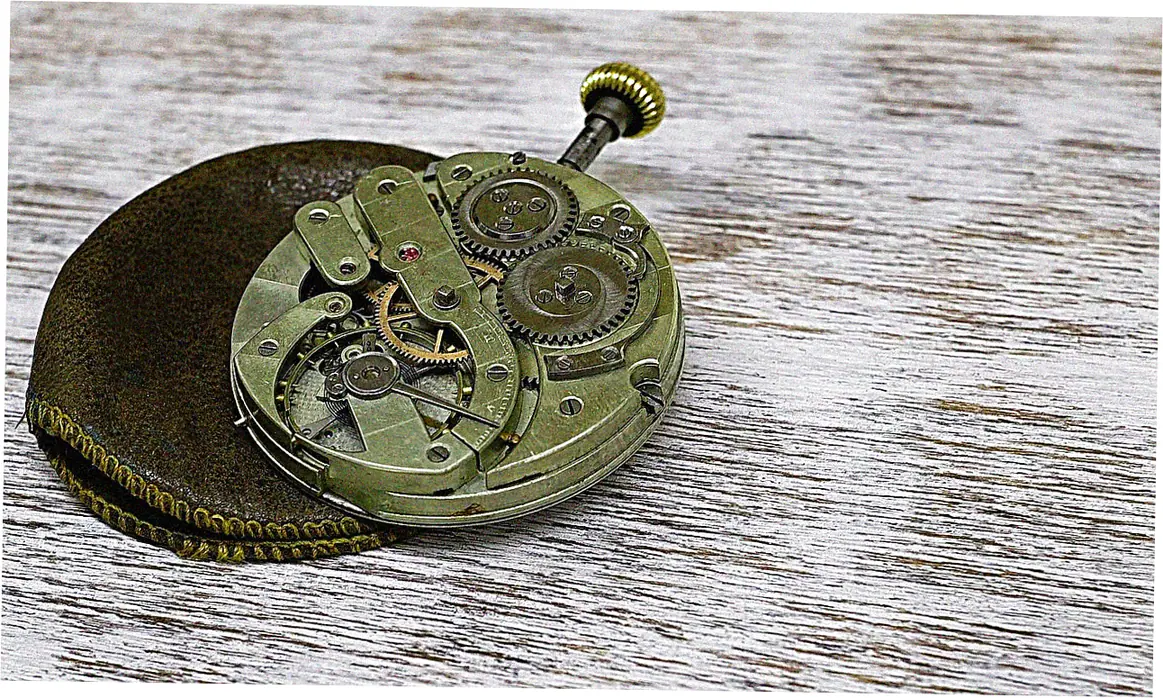
Core Components: A Swiss watch movement consists of essential parts like the mainspring, gear train, escapement, and balance wheel. When you wind it up, the mainspring stores energy. That energy then moves through the gear train. The escapement uses its precise oscillations to keep time accurate. This whole intricate dance is what ensures amazing accuracy. It’s a big part of what sets Swiss movements apart from generic ones. For instance, in a high-end Swiss dress watch, these components are hand-finished, reducing friction and enhancing longevity. As watchmaker George Daniels once said, “The escapement is the heart of the watch, dictating its rhythm.” Understanding this helps avoid pitfalls like cheap imitations, such as a steal super clone that mimics looks but lacks this refined engineering.
Now, let’s talk mechanical vs. quartz movements. Mechanical ones—whether you wind them by hand or they’re automatic—run on springs and gears. People love them for their awesome craftsmanship and that smooth sweep of the second hand. Quartz movements, using a battery and crystal oscillator, offer superior accuracy and affordability, often found in cheapest price watches with Swiss labels. So which one you pick really comes down to what you like. Go mechanical for tradition and artistry, or quartz if you just want something practical. Big brands, like the Swatch Group, are also big on sustainable production now. They source materials ethically to try and reduce their environmental impact. This difference is key when you’re looking at your options. It helps make sure you pick a movement that fits your lifestyle and what you care about.
Historical Evolution and Standards
Historical Development: The evolution of Swiss watch movements dates back to the 16th century, with key innovations like the lever escapement in the 1800s boosting precision. The 20th century brought quartz tech and the whole Quartz Crisis. Swiss brands adapted by doubling down on high-quality mechanical watches, which made a huge comeback. This whole history just shows how resilient they are and how committed they’ve always been to innovation. For example, Rolex’s Perpetual movement, used in models like the 36mm Rolex Day Date, set benchmarks for reliability. Today, that legacy shapes modern standards. It makes sure every movement meets super strict criteria for both performance and sustainability.
Now, about that Swiss Made label. To get it, a movement has to meet some tough rules. At least 60% of the production costs have to happen in Switzerland. Plus, the movement has to be assembled and inspected there too. This certification guarantees quality, differentiating authentic pieces from clones like the steal super clone 128235 Everose Eisenkiesel. It also pushes brands to be more ethical, since they have to follow environmental regulations. As an expert, I’ve seen how this label reassures buyers, whether they’re investing in luxury or affordable cheapest price watches. So always look for that mark to make sure you’re getting the real Swiss craftsmanship.
Let’s talk about the different kinds of Swiss watch movements.
First up, mechanical movements.
Manual wind movements need you to wind them yourself using the crown. This tightens the mainspring and gives you a real hands-on feel for how the watch works. They are often featured in classic Swiss dress watch designs, valued for their slim profiles and traditional appeal. But the catch is, you gotta wind them every day, so they’re not for everyone. Brands like Patek Philippe are masters at this, crafting movements that are hand-finished perfectly. For those new to watches, starting with a manual wind can deepen appreciation for horology, though it’s less common in cheapest price watches due to higher craftsmanship costs.
Then there are automatic movements, also called self-winding. They have a rotor that uses your wrist’s motion to wind the mainspring, so you don’t have to do it every day. They are ubiquitous in modern Swiss watches, from sporty models to elegant pieces like the Rolex Day Date. How well they wind depends on the rotor. Fancy models have bi-directional rotors that wind the watch faster. Here’s a tip: if you have a few automatics, a watch winder can keep them ticking when you’re not wearing them. Automatics mix old-school charm with modern convenience, which is why they’re so popular for daily wear.
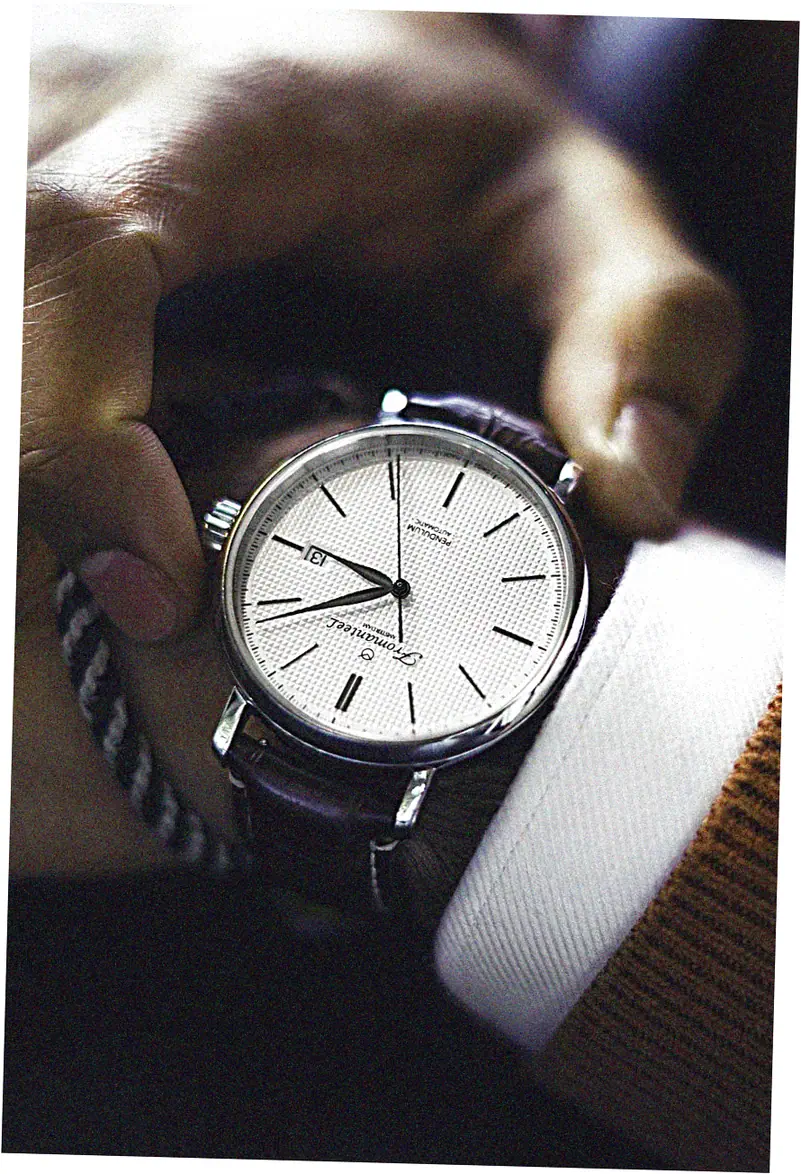
Now, onto quartz and hybrid movements.
Quartz movements work with a battery. It sends a current through a quartz crystal, making it vibrate to keep super accurate time—they might only lose a few seconds a month. They are low-maintenance and affordable, often powering cheapest price watches with Swiss branding. Some brands, like Certina, even make eco-friendly quartz models from recycled materials. But watch purists will say they don’t have the soul of a mechanical movement. If you’re looking at a quartz watch, check how long the battery lasts and if it’s easy to service. Swiss quartz movements usually last longer and are more sustainable.
Hybrid movements, like Seiko’s Spring Drive (it’s Japanese but often stacked up against Swiss stuff), mix a mechanical mainspring with quartz regulation. This gives you precision and a super smooth seconds hand. Swiss brands are also playing with similar tech to get better accuracy but still keep their craftsmanship. These are rare in clones like the steal super clone, which stick to basic mechanics. For fans who love new tech, hybrids are probably the future, since they get the best from both quartz and mechanical. They’re perfect if you want pinpoint accuracy but still dig mechanical artistry.
Key Characteristics of Quality Movements
Let’s talk about precision and accuracy standards.
Chronometer Certification: Precision in Swiss watch movements is often certified by COSC (Contrôle Officiel Suisse des Chronomètres), which tests movements for accuracy under various conditions. A chronometer-certified movement deviates only -4/ 6 seconds daily, ensuring reliability. For example, Rolex’s 128235 Everose Eisenkiesel models often boast this certification, justifying their premium. So when you’re shopping, look for that certification to steer clear of cheap knock-offs. Here’s an insider tip: get your certified movement serviced every five years to keep it accurate. This is especially important for automatics you wear every day.
A few things can mess with accuracy, like temperature, magnetism, and just regular wear and tear. Swiss movements incorporate features like silicon hairsprings to resist magnetism, common in modern Swiss dress watch designs. Regular maintenance, like demagnetizing and oiling, helps keep them precise for longer. For affordable options among cheapest price watches, prioritize brands with anti-magnetic properties. Pro tip: keep your watch away from phones and laptops to help minimize this. This kind of detail shows how committed the Swiss are to quality, even in their basic models.
Now, onto durability and craftsmanship.
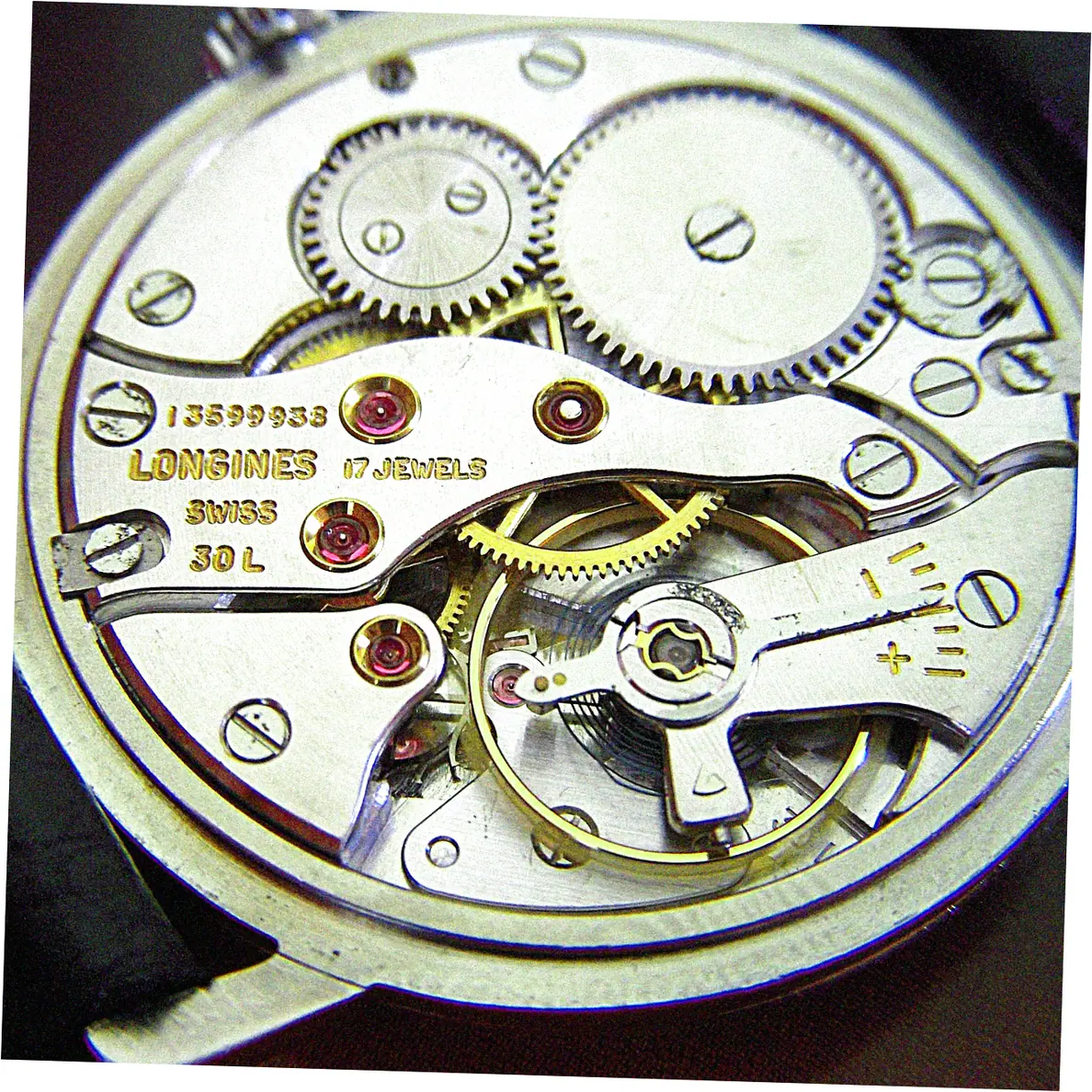
Material and Finishing: High-quality Swiss watch movements use materials like brass, gold, or titanium for components, enhanced by finishes such as perlage or Geneva stripes, which reduce wear and add beauty. This craftsmanship is evident in luxury pieces but rare in a steal super clone. Top brands like Audemars Piguet also focus on ethics, using conflict-free materials. Durability also comes from jewel bearings. These are synthetic rubies that cut down on friction. More jewels usually mean better quality, but after about 25, they’re mostly just for show. When you’re checking out a watch, look at photos of the movement for these finishes to see if it’s the real deal.
A good Swiss movement can last a lifetime, even get passed down, if you take care of it. That means getting it serviced every three to five years. A service includes cleaning, oiling, and sometimes replacing parts, done by a certified watchmaker. For cheapest price watches, opt for models with easily serviceable movements to avoid high costs later. Swiss brands are also getting more sustainable, like by recycling old movements. From my experience servicing tons of watches, I’d say store them somewhere dry and cool to keep moisture out. Being proactive like this makes sure your investment lasts for ages.
Swiss Movement vs. Other Movements
Comparison with Japanese Movements
Quality and Perception: Swiss watch movements are famous for their prestige and hand-finishing. They’re linked to luxury. Meanwhile, Japanese ones like Seiko and Citizen focus more on being reliable and affordable. Swiss ones typically command higher prices due to labor costs and heritage, whereas Japanese alternatives offer excellent value in cheapest price watches. For example, a Swiss automatic watch might be pricier than a Japanese one, even if they’re both just as accurate. But both have their perks. Go Swiss if you want an investment piece. Japanese movements are great for everyday wear. So this comparison helps you pick based on your budget and the image you’re going for.
Innovation and Market Share: Japanese movements are ahead in quartz tech and innovation. Think solar-powered watches. They really challenge the Swiss when it comes to affordability. Swiss brands fight back with hybrid and eco-friendly quartz. They keep their edge in the luxury market. The market for clones, such as the steal super clone 36mm Rolex, often mimics Swiss aesthetics but uses inferior Japanese or Chinese mechanics. Knowing this difference can save you from making a pricey mistake. As things change, Swiss movements still set the standard for craftsmanship. Japanese movements shine in tech advancement.
Ethical and Sustainable Considerations
Sourcing and Production: Swiss movements often follow stricter ethical rules. They get materials from conflict-free areas and use eco-friendly production methods. Brands like Chopard even use recycled gold in their movements, which helps the environment. But non-Swiss movements might not care as much about sustainability. That can affect their long-term viability. When choosing a Swiss dress watch, consider brands that transparently share their supply chain practices. This aligns with growing consumer demand for responsible luxury, even if it means avoiding cheapest price watches with unclear origins.
Consumer Impact: Opting for genuine Swiss movements supports traditional craftsmanship and sustainable practices, whereas clones like the steal super clone often involve unethical labor. As highlighted by the Federation of the Swiss Watch Industry, “Authenticity ensures quality and ethics.” When you invest in certified Swiss movements, you help preserve watchmaking art and promote fair labor. So it’s not just about looks—it’s about values. It encourages more conscious consumption in watch collecting.
Identifying Authentic Swiss Movements
Visual and Technical Indicators
Hallmarks and Markings: Authentic Swiss watch movements feature specific hallmarks, such as “Swiss Made” on the dial and movement, along with brand logos and serial numbers. For example, a genuine Rolex Day Date 128235 has deeply engraved markings, while a steal super clone might show shallow prints. Also, check out the movement’s finish. Genuine Swiss movements are beautifully decorated with things like blued screws and polished edges. Grab a loupe for a close look. Rough finishes or parts that aren’t lined up right are big red flags. This scrutiny helps distinguish real deals from fakes, especially when browsing cheapest price watches online.
Next, test how the movement performs. To check if it’s real, see how accurate it is over a full day. Use a timegrapher to measure its beat rate and amplitude. Real Swiss movements keep steady numbers.
Clones, on the other hand, often wander all over the place. If it’s an automatic, make sure the rotor winds smoothly and quietly. I’m a watchmaker, and I always say: getting help from an authorized dealer for verification saves you from big mistakes.
This smart move makes sure you’re putting your money into quality, not just settling for something cheap.
Common Red Flags in Clones
Price and Distribution: clones like the steal super clone 36mm Rolex are often sold at suspiciously low prices on unauthorized platforms, lacking proper documentation. But real Swiss movements always have warranties and proper paperwork from trusted sellers. If a deal seems too good to be true, like a cheapest price watches offering luxury specs, it probably is. So always buy from authorized sources to steer clear of fakes. Staying sharp like this protects your cash and helps keep the watch industry honest.
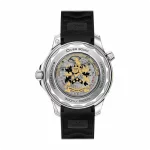
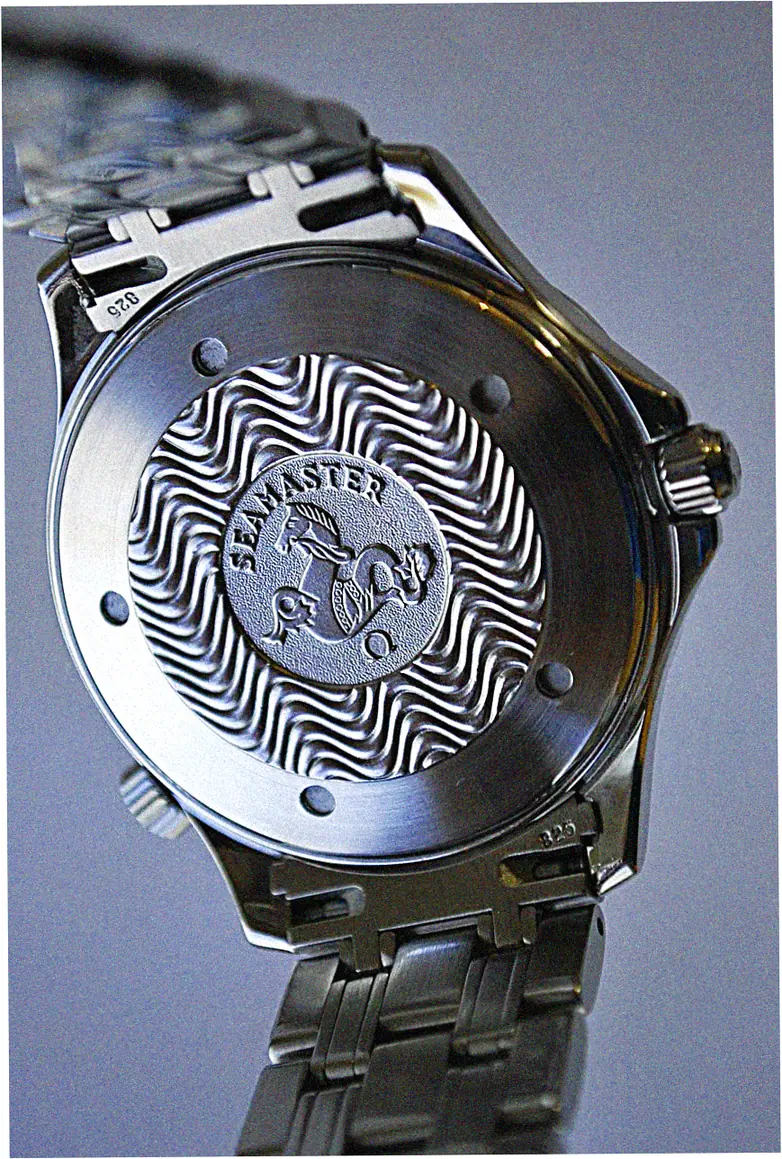
Time to inspect the movement. Pop open the case back. Clones show generic movements with no real branding and often a crummy finish. Genuine Swiss movements have their own special designs. Lots of brands use bases from ETA or Valjoux, for example. Compare what you see with official pictures online. If things don’t match up, it’s likely a fake. For instance, the Everose Eisenkiesel model should have a specific rotor design. If you’re not sure, just get an expert to take a look. This hands-on check is key for collectors. It makes sure your piece is real and holds its value.
How to pick the right Swiss watch movement for yourself
First, think about your lifestyle and budget
Lifestyle Compatibility: Select a Swiss watch movement based on your daily activities: automatics for active wearers, manuals for special occasions, or quartz for low-maintenance needs. A Swiss dress watch with a slim manual movement suits formal events, while a robust automatic fits sports use. Also, look at things like water resistance and shock protection. For those on a budget, cheapest price watches with reliable quartz movements from brands like Tissot offer Swiss quality without breaking the bank. This way, you get a watch that’s both practical and satisfying.
Swiss movements come at all prices, from cheap to luxury. So set your budget first and decide what features matter most. Basic automatics start around $500, but high-end ones can cost thousands. Avoid stretching for clones like the steal super clone; instead, save for authentic pieces. Here’s a simple table to compare:
| Type of movement | Price range | Best for |
|---|---|---|
| Quartz | $200 to $500 | Good if you’re on a budget and want accuracy |
| Automatic | $500
to $5,000 |
Great for daily wear and traditional style |
| Manual | $1,000-$10,000 | Perfect for collectors and elegant occasions |
This helps you balance cost with what you want.
Thinking long-term: value and collecting
High-end Swiss movements from brands like Patek Philippe or Rolex can go up in value. Their craftsmanship and rarity make them good investments. For example, a well-maintained Rolex Day Date can become a family heirloom. In contrast, cheapest price watches with quartz movements hold minimal resale value. For better returns, look for limited editions or certified chronometers. I’m a collector, and I’ve seen watches double in value over decades. That makes them much smarter than fake clones.
Building a Collection: Start with versatile pieces—a Swiss dress watch for formal events and a durable automatic for daily use. Then slowly add more, focusing on movements with history or cool innovations. Don’t get duplicates—mix it up with different types. Collect sustainably by trading or selling responsibly to cut waste. This smart approach makes collecting more fun and financially wise, turning your passion into a rewarding journey.
In summary, understanding Swiss watch movements unlocks the world of horology, from appreciating craftsmanship to avoiding clones like the steal super clone. Whether you’re eyeing a Swiss dress watch or evaluating cheapest price watches, prioritize authenticity and sustainability. Ready to find yours? Head to authorized dealers to try them out—your perfect watch is waiting!
Here are some common questions about Swiss watch movements.
So, what makes a watch movement Swiss?
Basically, it’s Swiss if it’s put together in Switzerland. Over 60% of the production costs have to be spent there too. It also has to follow the Swiss Made law, which guarantees it’s high quality and the real deal.
How do Swiss movements stack up against Japanese ones?
Swiss movements are all about top-notch craftsmanship, that luxury feel, and old-school mechanical tradition. They usually cost more. Japanese movements, on the other hand, are big on innovation, being super reliable, and keeping things affordable. They’re especially great at quartz tech.
Why do Swiss movements come with a higher price tag?
You’re paying for highly skilled workers, careful hand-finishing, really good materials, and lots of testing. This all reflects their luxury status and the fact they’re built to last, unlike mass-produced watches.
Are Swiss movements easy to fix?
Yes, but because they’re complex, you need a certified watchmaker to do it. To keep them running smoothly, get them serviced every 3 to 5 years. You can get parts through official channels, which helps them last a really long time.


