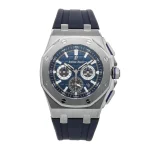
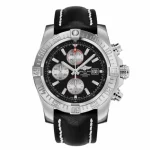
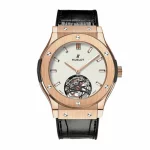


Solid Stainless Steel Watches: Cheap or Plated?

Picking out a watch can be tricky. Do you go for a solid stainless steel one or choose a cheaper plated version? It all comes down to knowing the real differences. We’re talking about how long they last, what they’re worth, and how they hold up over time—comparing a real solid stainless steel watch case to one that’s just plated. Lots of cheaper watches have a plating, often over brass. The problem is, that plating can rub off after a while, and you’ll start to see the base metal peeking through. On the other hand, a solid stainless steel watch might cost more upfront. But it’s naturally rust-resistant and has a nice, solid weight to it that just feels like quality. This guide will break down the key points. We’ll help you figure out if the extra lifespan of a solid stainless steel watch is worth the money compared to a cheaper plated one.
What’s in this guide
- What’s the difference between solid steel and plated watches?
- Which one lasts longer: solid steel vs. plated?
- Breaking down the cost and value
- How they look and what it takes to care for them
- Spotting the real deal and checking for marks
- How to pick the right one for your needs
- Wrapping it up: our final take
- Common questions answered
Let’s break down what solid steel and plated watches really are.
So, what’s a solid stainless steel watch?
Basically, solid stainless steel means the watch case and bracelet are carved from one solid piece of metal, usually a tough alloy like 316L or 304. People love this material because it’s naturally tough.
It resists rust really well, it’s super strong, and it has a nice, hefty weight on your wrist. Here’s the big difference from plated watches: a solid stainless steel watch is the same metal all the way through.
There’s no thin coating that can rub off. This build is a sign of real durability. That’s why you’ll often see it in tough watches like dive watches and professional gear, where you need something you can really rely on.
And because the metal is solid, you can polish out scratches again and again. You won’t damage the watch’s core structure by doing that.
Now, let’s talk about plated finishes.
Here’s the deal with plated watches: they take a base metal case—often something cheaper like brass—and coat it with a super thin layer of a nicer-looking metal.
This top layer could be gold, rose gold, or even just chrome to make it look like stainless steel. That base underneath is usually a more affordable alloy, think brass, zinc, or a lower quality steel.
Whether it’s done through a process called PVD or electroplating, this plating gives you the look of a fancy, expensive watch without the high price tag. But there’s a catch with this surface treatment: that layer is really, really thin.
So after you wear it daily for a while, and it gets bumped around, that thin layer can start to chip, fade, or just wear away. This happens fastest on spots that rub a lot, like the edges of the bracelet or the back of the case. When it wears off, you’ll see the cheaper base metal peeking through.
<img src="https://t.68114.com/wp-content/uploads/2025/12/4351d9b1-7a69-4ef3-b742-7fe4e40779b9.webp" alt="Let's break down what Solid Steel and plated watches really are.”>
Let’s put durability and longevity head-to-head.
First up, scratch and corrosion resistance.
Here’s the core comparison. Solid stainless steel watches have a clear edge in scratch resistance because they’re made from one solid piece. You can usually just polish out those minor surface scratches.
But with plated watches, it’s risky. If you try to polish them, you might buff off that thin plating completely and wreck the look. As for fighting off corrosion, solid 316L stainless steel is a champ against sweat and water.
Plated watches, though, depend entirely on that outer coating holding up. Once the plating gets damaged, the metal underneath—which often rusts easily—gets exposed. That leads to tarnishing or rust spots.
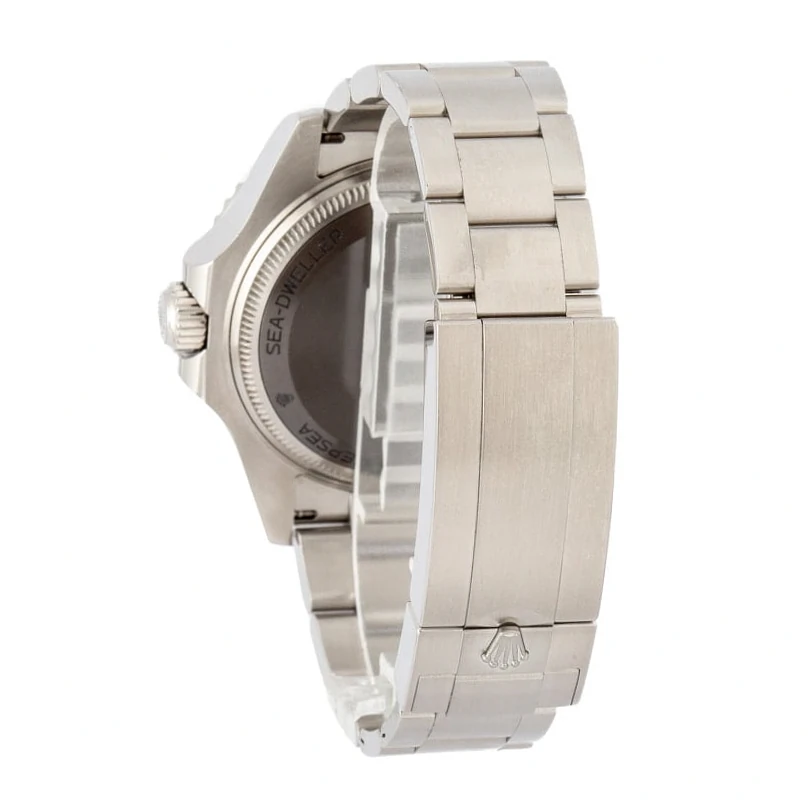
Take a real-life example: wear a plated watch to the gym every day. In about a year, all that sweat can make the plating on the back of the case start to wear away pretty obviously.
Now, let’s talk about everyday wear and tear.
Here’s the core analysis: the more you wear them daily, the bigger the gap in long-term performance gets. A solid stainless steel watch is built to last for decades.
It picks up a unique patina of scratches over time, which some watch fans actually love—they see it as the watch’s story. A plated watch’s life, however, hangs on how good and how thick that plating is.
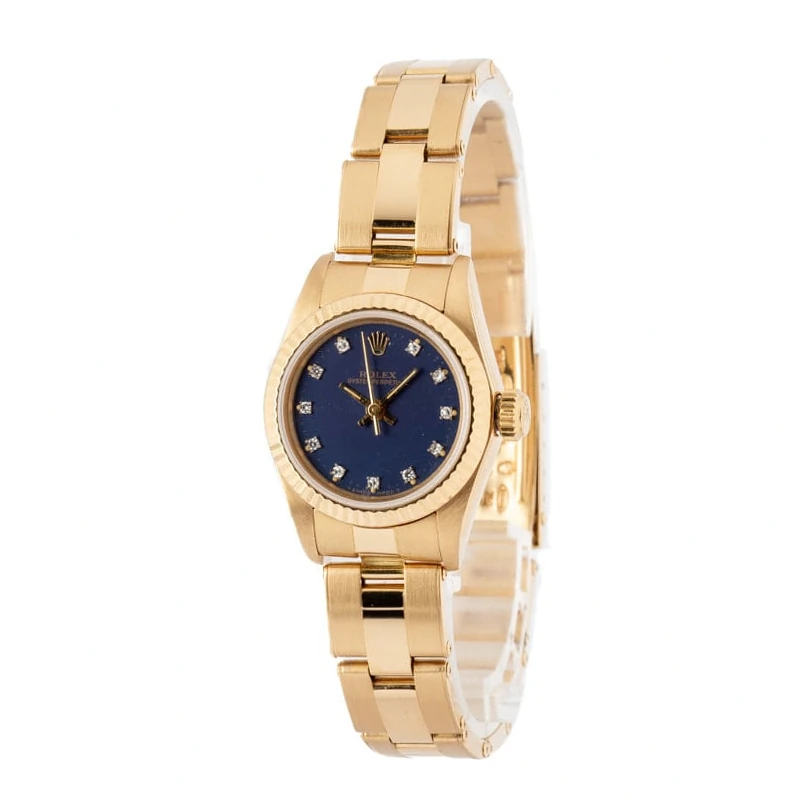
On cheaply plated watches, you might see brassing—where the yellowish base metal peeks through—on the bracelet links and lugs after just a year and a half to two years of regular use. I had a gold-plated dress watch myself.
It looked perfect for the office, but then I bumped it against a door frame a few times. The plating chipped, which permanently messed up its appearance and knocked down its value.
Cost Analysis and Value Proposition
Initial Price vs. Long-Term Investment
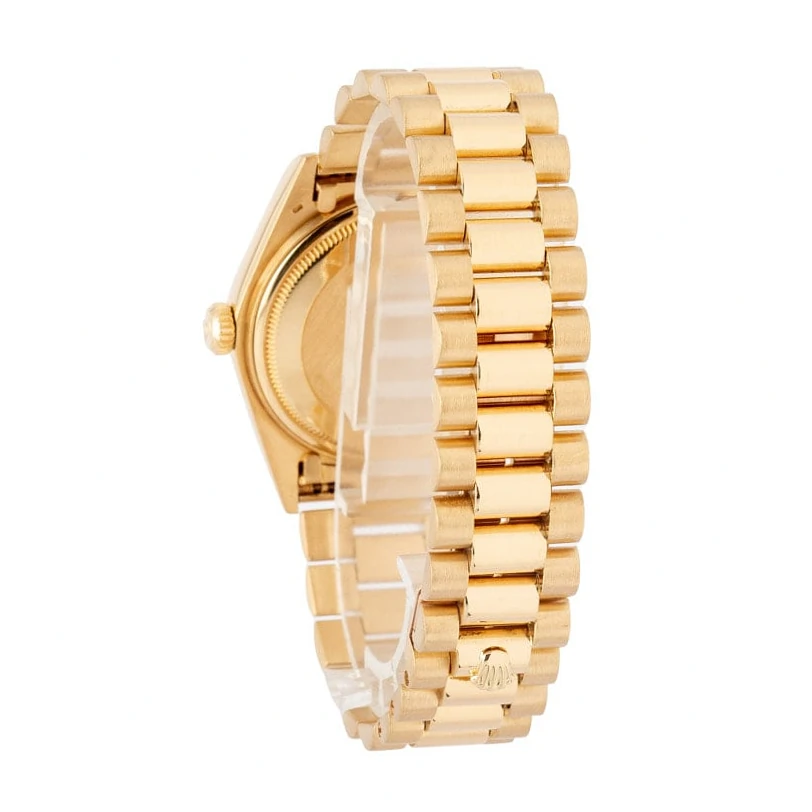
Let’s start with the most obvious thing: the price tag. Plated watches are definitely cheaper, so you can get a stylish look without spending a lot. Solid stainless steel watches cost more upfront because the materials are pricier and they’re harder to make. But the real value shows up over the years. A solid steel watch keeps working perfectly and holds its value really well if you ever sell it. Once the plating on a watch starts to wear off, its value drops fast. Fixing it is expensive and usually not worth it. Just think about cost-per-wear. A $300 solid stainless steel watch you wear for ten years is a smarter buy than a $100 plated one that looks worn out after just two.
Resale Value and Market Perception
Here’s the key takeaway: the used watch market loves solid construction. Used luxury watches with solid stainless steel cases, think brands like Seiko or Tissot where you know the materials are legit, keep their value strong.
Plated watches, on the other hand, are usually seen as throwaway fashion pieces. They have little to no resale value, unless it’s a super high-end brand with really thick, perfect plating.
Serious collectors and savvy buyers care about real materials. They’ll check the specs, making sure it says solid 316L stainless steel case, before they buy.
Aesthetic and Upkeep Considerations
Visual Appeal Over Time
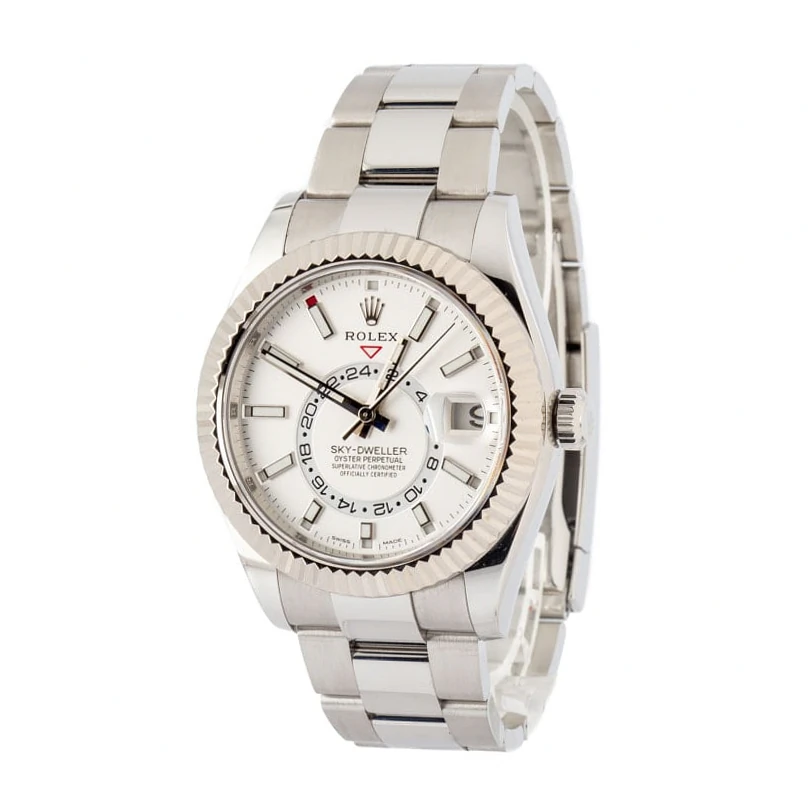
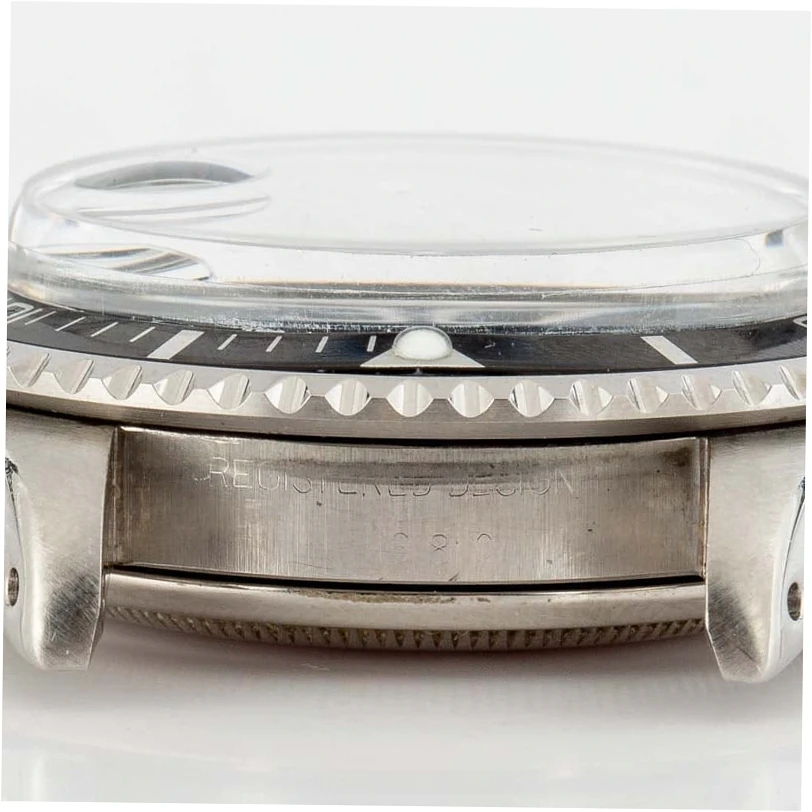
Here’s the thing: at first glance, both solid stainless steel watches and plated watches can look exactly the same. A good PVD black coating or gold plating job can look really stunning. But the real difference shows up over time.
Solid stainless steel watches develop a consistent, honest kind of wear. Plated finishes, though, wear down unevenly. Those worn spots can become real eyesores. Take a rose gold-plated watch, for instance.
If the crown tip wears down, it sticks out badly against the faded case. You end up with a patchy look that’s tough to fix. You’d need a full, pricey re-plating job to make it right.
Care and Upkeep Routines
When it comes to care, there’s a big gap between the two. Solid stainless steel watches are pretty low-maintenance. You can clean them with just mild soap and water. If they get scratched, a polishing cloth or a pro refinish can usually sort it out.
Plated watches, on the other hand, need you to be much more careful. You’ve got to avoid harsh cleaners or polishes completely—they’ll just strip the plating right off. Stick to a soft, dry cloth for cleaning.
Also, try to keep the watch away from chemicals, sweat, and saltwater for too long. That’ll help the plating last.
| What to Look At | Solid Stainless Steel Watches | Plated Watches |
|---|---|---|
| What It’s Made Of | The whole thing is solid 316L or 304 stainless steel. | It’s usually a base metal like brass, with just a thin coating on top. |
| How Tough It Is | Really high. It resists chipping and you can polish out scratches. | Low to medium. The plating can chip or wear off. |
| How Long It Lasts | Can last for decades if you take care of it. | You might see noticeable wear in just 2 to 5 years. |
| Rust Resistance | Excellent—it’s built right into the steel. | Only good if the plating is perfect. Once that’s damaged, rust can set in. |
| Upfront Cost | Usually costs more upfront. | Generally cheaper to start with. |
| Value Later On | Holds its value pretty well. | Loses value quickly. |
| Upkeep | Easy. Polishing is an option. | Handle with care. Stay away from anything abrasive. |
Material Authenticity and Certifications
Importance of Verified Materials
Here’s the key point: if you’re buying a watch, you really gotta check what it’s actually made of. Good, trustworthy brands will come right out and say it’s a solid stainless steel case in their specs.
Watch out for vague terms though. Just seeing stainless steel isn’t enough. Sometimes that only means the case back, or it could be a cheap plated finish. Why does this solid vs. plated thing matter so much?
Two big reasons: durability and your skin. A cheap base metal under that plating can cause allergies for some folks. On the other hand, proper surgical-grade 316L steel is usually safe for sensitive skin.
Role of Quality Certifications
Now, certifications can be a big help when you’re shopping. Even if a certification isn’t just about the materials, think about it. A watch with a tough certification like COSC needs solid, quality parts to be that accurate.
So, it’s a good bet it’s using real solid steel. Plus, brands that follow strict rules in their factories often give you a full breakdown of what’s in your watch. Take some microbrands, for example.
They might give you a GRA certificate or something like it. This paper trail proves where the steel came from and what grade it is. It’s perfect for anyone who wants to be absolutely sure they’re getting a real solid stainless steel watch and not a plated one.
| Aspect | Brand A (Solid Steel Dive Watch) | Brand B (Plated Fashion Chronograph) |
|---|---|---|
| Price Point (USD) | $450 | $120 |
| Material Claim | Solid 316L Stainless Steel | Stainless Steel (base), Gold PVD Plated |
| Condition After 3 Years of Daily Wear | Surface scratches, fully functional, no corrosion. Resale value ~60% of original. | Significant plating wear on bracelet clasp and lugs, base metal visible. Resale value negligible. |
| Owner Satisfaction (Survey of 100 users) | 85% satisfied, citing durability. | 40% satisfied, citing premature aesthetic degradation. |
So, how do you pick the right one for yourself?
First, think about how you’ll actually use the watch.
Here’s the main thing: let your lifestyle guide your decision. If you need a tough, everyday watch or live an active life, go for solid stainless steel. It’s the smart pick because it’s super resilient.
But if you just want a watch for fancy events now and then, where it won’t get banged up, a plated watch works. It’s a cheaper way to get a stylish look. How often you wear it matters a lot.
A watch you only put on once a month will keep its plating looking good way longer than one you wear every single day.
Now, let’s talk about the real cost.
My advice? Don’t just look at the price tag. If money’s tight but you want a watch that lasts, try saving up a bit more. You could get a basic solid stainless steel watch from a good brand like Citizen or Seiko.
Checking out the second-hand market is another great option. The real price of a cheap plated watch isn’t just the money. It’s the letdown when it doesn’t last and you have to buy another one soon.
Putting your money into a solid stainless steel watch usually saves you more in the long run, say over five to ten years.
| Your Main Goal | What to Go For | Why It’s the Best Pick |
|---|---|---|
| You want it to last forever and take a beating. | Solid Stainless Steel | The material is the same all the way through, so scratches and wear won’t ruin it. |
| You need the cheapest option right now. | A A Plated Watch | It’s a budget-friendly way to get the color or style you like. |
| You’re thinking about getting the most for your money down the road. | Solid Stainless Steel | It keeps working, looking good, and holding its value better over time. |
| You just want something trendy for a season or two. | A A Plated Watch | It’s perfect for a short-lived look you don’t plan to keep forever. |
Conclusion and Final Verdict
So, here’s the core of the debate between solid stainless steel watches and plated ones: it really comes down to a choice.
Do you want something cheap right now, or something that’ll keep you happy for the long haul? Solid stainless steel watches are tough. They resist corrosion and hold their value really well.
If you’re after a reliable everyday watch, putting your money into solid stainless steel is a smart move. Plated watches, on the other hand, are a cheaper way to get a certain look. But there’s a catch.
That finish will wear off over time, so they just don’t last as long. So, if you want a watch that’s useful and lasts, the facts are pretty clear. It’s better to save up a bit more and go for a solid stainless steel watch.
Want to check out some durable watches that really last? Tell us about your own experiences with watch materials down in the comments! Or, if you want to be super sure about your next buy, take a look at our detailed guide on spotting high-quality watch construction.
Here are some common questions people have.
So, can you spot a solid stainless steel watch just by looking at it?
Sometimes you can, but it’s not a sure thing. You gotta check a few things: the weight, the sound, and any markings. Solid steel feels heavier, and the bracelet makes a denser clink sound.
Take a close look at the edges and spots that get a lot of wear. If you see chipping or a different color peeking through, that’s a giveaway. Honestly, your best bet is to just check the manufacturer’s specs. That’s the most reliable info.
What about PVD coating? Is it better than regular electroplating?
Yeah, usually it is. PVD coatings are tougher, last longer, and go on more evenly than the old-school electroplating. They resist scratches and fading better.
But remember, it’s still just a coating on top of another metal. With enough wear and tear, it can rub off, unlike a solid stainless steel watch.
Can you actually find cheap solid stainless steel watches from good brands?
For sure! Lots of great budget-friendly brands use solid steel. Think Seiko, Citizen, some Casio and Timex models, and plenty of microbrands. You might have to dig into the specs for each model, but you can definitely snag a quality solid stainless steel watch for under 500 bucks.
Okay, what goes wrong when a gold-plated watch starts wearing out?
That thin gold layer starts to rub off, and you’ll see the metal underneath—usually brass or a nickel alloy. This leads to ugly spots, especially on the clasp, the edges of the case, and behind the lugs where the strap connects.
The watch still works fine, but it just doesn’t look good anymore. You could get it re-plated professionally, but that can cost you as much as buying a new cheap watch.


