

Swiss Movement Watch Mechanics Quality Craftsmanship Explained


Ever wonder why watch lovers get so excited about a Swiss Made watch? It’s not just about the fancy name—it’s a real promise of top-notch engineering and watchmaking traditions that go way back. Basically, a Swiss movement watch means the inside parts—the movement—are made, put together, and checked in Switzerland, following super strict Swiss rules. This isn’t some marketing trick—it’s a real quality stamp that means better performance and lasting power than other movements usually offer. If you’re looking for a solid, high-quality watch, knowing this stuff is key—whether you’re going luxury or something more budget-friendly.
Table of Content
- Defining the Swiss Movement Watch
- History and Heritage of Swiss Watchmaking
- Types of Swiss Watch Movements
- Swiss vs. Other Movements: A Comparative Analysis
- Identifying a Authentic Swiss Movement Watch
- The Market for Swiss Movement Timepieces
- Why Invest in a Swiss Movement Watch?
- FAQ About what is a swiss movement watch
Defining the Swiss Movement Watch
The Legal Definition and Standards
Just because a watch has a Swiss-sounding name doesn’t mean it’s a real Swiss movement watch. The term Swiss movement is actually protected by law, thanks to the Swiss Federal Council.
They put these rules, called Swissness, fully into place back in 2017. So, to get that Swiss label, a few things have to happen. First, at least 60% of the cost to make the movement has to be spent in Switzerland.
Plus, the tech development and the final putting together of the watch have to happen there too. This makes sure the heart of your watch is truly Swiss-made. It’s not just some marketing gimmick or a label they stuck on there.
These tough standards are what set real Swiss craftsmanship apart from fakes or clones, like a datejust copy. Those might look the part on the outside, but they’ll never have the real soul of a Swiss movement.
Core Components and Mechanics
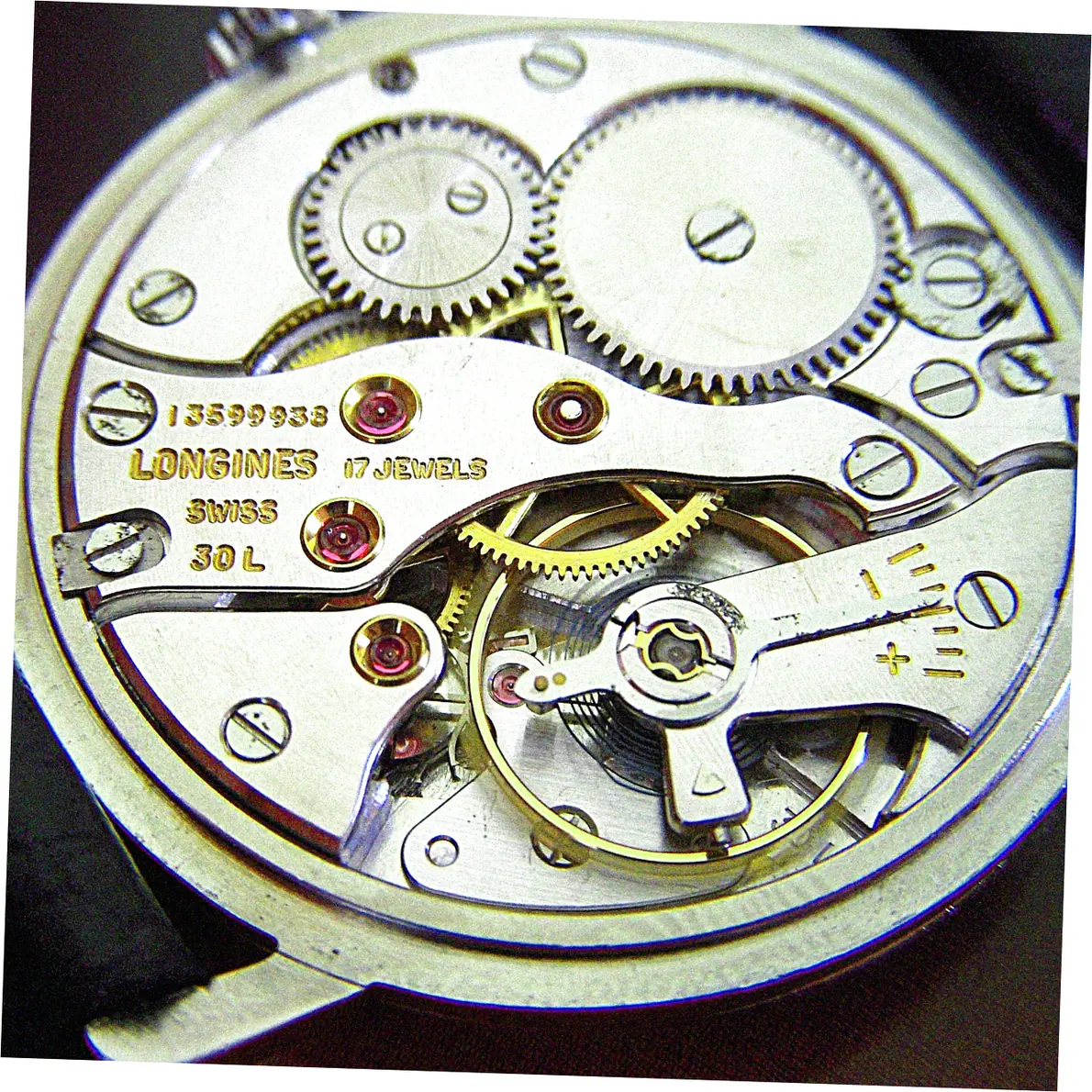
At its heart, a Swiss movement is an amazing piece of micro-engineering. It’s made up of hundreds of tiny parts that all have to work together perfectly. The key parts are the mainspring, which stores the energy;
the gear train that sends that energy through the watch; the escapement that controls the energy release; and the balance wheel that swings back and forth to keep time.
Big Swiss makers like ETA and Sellita have gotten really, really good at making these parts. We’re talking about precision down to microns. This crazy attention to detail is why these movements are so famous for being accurate.
Many even have chronometer certifications, meaning they’ll only lose or gain 4 to 6 seconds a day. That’s a huge difference from cheaper, non-certified movements that can be off by whole minutes.
History and Heritage of Swiss Watchmaking
Origins of a Global Industry
Swiss watches didn’t become famous overnight – it actually started because of a ban. Back in the 1500s, Geneva’s Reformation under John Calvin said no to jewelry, so all those skilled goldsmiths had to switch to making watches instead.
This shift created a whole community of talented artists and technicians that made the region famous for centuries. Then in the 1800s, watchmaking got even better with innovators like Breguet and Philippe.
They created amazing things – the tourbillon and keyless winding – that made watches way more accurate and convenient. This really set the stage for what we now call high-quality Swiss movement watches.
Key Innovations and Milestones
Swiss watchmaking has always been about constant innovation. Then in 1926, Harwood invented the first automatic movement that wound itself – a huge deal that meant people didn’t have to wind their watches every day.
When the Quartz Crisis hit in the 70s and 80s, it almost wiped out mechanical watches, but it actually showed how tough the Swiss watch industry really is.
Instead of going with cheaper electronic movements, Swiss brands stuck with their mechanical watchmaking skills, which led to a real comeback for fine watchmaking.
This period created amazing watch complications and made Swiss mechanical movements the top symbol of traditional craftsmanship – something even the best replica watches can’t copy.
Types of Swiss Watch Movements
Mechanical Movements: Manual and Automatic
If you’re wondering what makes a Swiss movement watch special, it’s all about those mechanical movements. They run on a cool setup of springs and gears. With manual ones, you gotta wind the crown yourself now and then to power it up.
That actually makes you feel pretty connected to your watch. Automatic movements, or self-winding ones, are even cooler. They use the motion of your wrist to wind themselves with a little swinging rotor.
Take ETA’s 2824-2 caliber, for example. It’s a real workhorse—super tough and reliable. This movement is the base for tons of great watches, from affordable ones to super luxury. Cheaper knock-offs try to copy it but they never really get it right.

Quartz Movements: Precision and Practicality
Then you’ve got quartz movements. These came from Swiss innovation too, like the Beta 21 project that even led to the Seiko Astron. They offer something totally different. They run on a battery and use a tiny vibrating quartz crystal to keep time.
This means they’re crazy accurate and you barely have to do anything to maintain them. Some folks think they’re not as fancy as mechanical ones, but don’t be fooled.
Swiss quartz movements from makers like Ronda or ETA are still built to the same high standards—top quality and built to last. They’re a super practical and accurate pick for a reliable daily watch.
This just goes to show that a true Swiss movement isn’t just about mechanics—it’s about rock-solid precision, no matter how it’s made.
Swiss vs. Other Movements: A Comparative Analysis
Quality and Craftsmanship Differences
If you look closely, you can really see the difference between a real Swiss movement and a generic or clone one. Swiss movements usually have these cool finishes, like perlage, Côtes de Genève, and blued screws.
They don’t just look good; they also help fight corrosion and make the watch run better. They use top-notch materials too, like Glucydur balance wheels and Nivarox hairsprings.
These are picked because they’re super stable and don’t get thrown off by magnets or hot and cold weather. Put it next to a Datejust clone, and the differences jump out right away.
The edges on the bridges are sharper, the rotor winds smoother, and the ticking is steady. This better build quality means it lasts way longer. A Swiss movement, if you take care of it, can keep going for generations. A cheap clone might conk out in just a few years.

Performance and Long-Term Value
When it comes to performance, Swiss movements are clearly the winners. A regular Swiss automatic might only be off by 10 to 20 seconds a day, even without a fancy certificate.
But a COSC-certified chronometer is super accurate, only losing or gaining 4 to 6 seconds. On the other hand, a lot of non-Swiss movements can drift way more, like 20 or 30 seconds a day, sometimes even worse.
This difference in performance also shows up in how well they hold their value over time. Data from places like WatchCharts shows that watches with real Swiss movements lose their value much slower, and they often even go up in price.
But watches with no-name movements have pretty much zero resale value. So, buying a Swiss movement watch isn’t just a purchase; it’s more like an investment.
How to spot a real Swiss movement watch
Hallmarks and Certification Marks
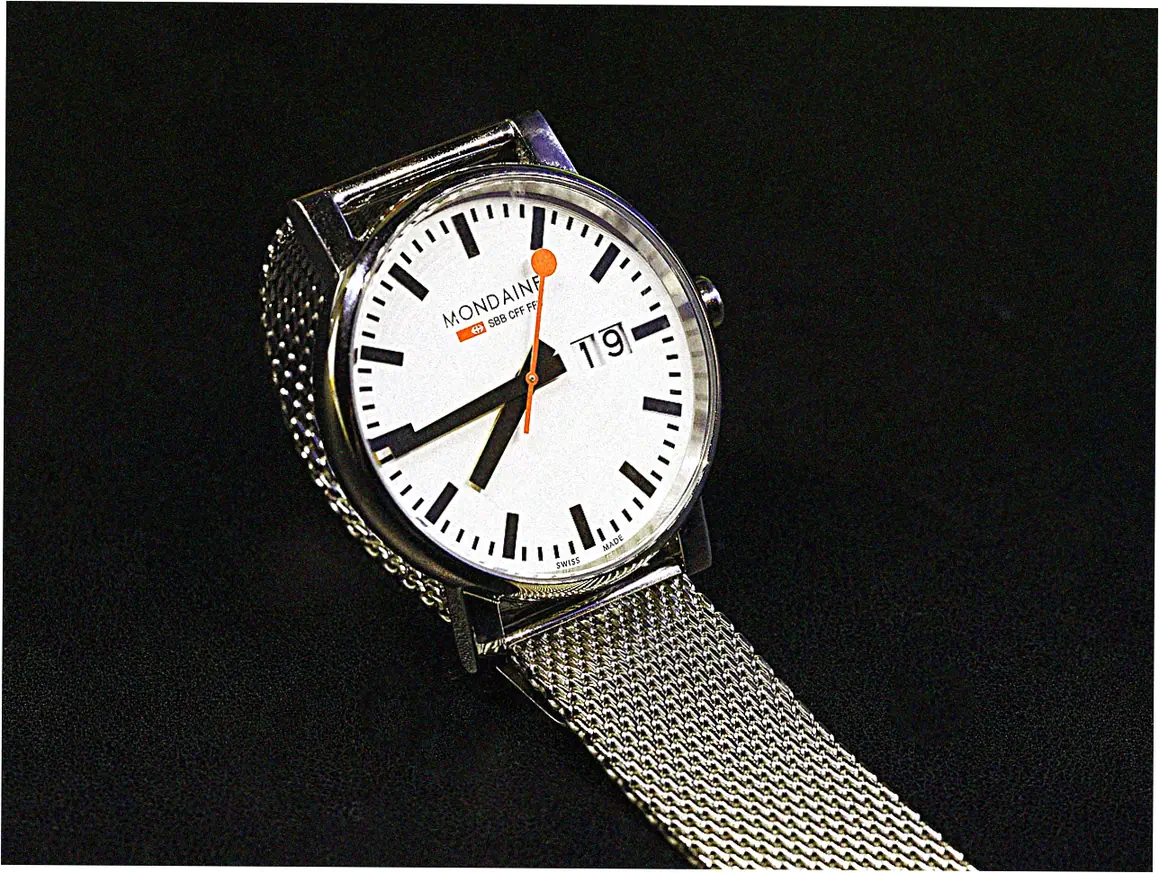
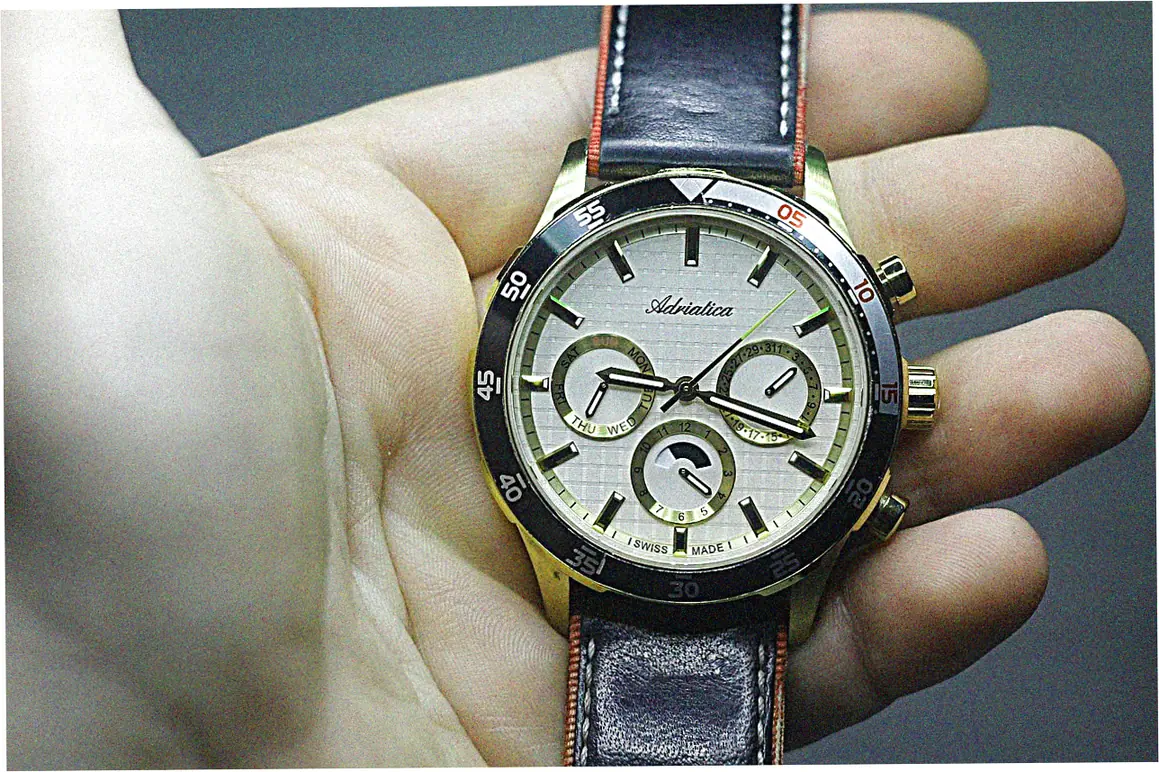
To check if a Swiss movement watch is real, you gotta look closely at its markings. The easiest sign is the Swiss Made on the dial – that means by law, 60% of the watch’s cost comes from Swiss work.
But for the movement inside, check the engravings right on the mechanism. You’ll often see the maker’s name like ETA or Sellita, the model number, and sometimes fancy writing like Swiss or Twenty-Five 25 Jewels.
Top-notch accuracy comes with a Chronometer cert, usually with a COSC seal. These aren’t just for show – they’re proof of quality. Cheap watchmakers can’t use them unless they pass tough tests.
Watch out for these common tricks and wrong ideas
Lots of watches out there make it hard to tell what’s real. Big warning signs are words like Swiss Designed or Swiss Parts on the dial – these are sneaky word tricks that don’t mean the movement is truly Swiss.
Also, don’t think heavy always means good. Sure, weight can mean solid stuff, but many great Swiss movements are in light titanium or polished steel cases. Best way to avoid fakes?
Buy from official sellers with full papers and a warranty that spells out where the movement came from and its specs. If the price looks unreal for a Swiss movement, it probably is.
The Market for Swiss Movement Timepieces
Luxury Tier and Accessible Options
Swiss movement watches come in a huge range, so there’s something for every budget, and they all keep that core promise of quality. At the top luxury tier, you’ve got brands like Patek Philippe, Audemars Piguet, and Vacheron Constantin.
They’re all about horological art, with their own in-house movements that have these amazing grand complications. But the more accessible luxury and mid-range watches? They offer amazing value.
Brands like Tissot, Hamilton, and Mido use these proven, reliable Swiss workhorse movements from ETA or Sellita. You get fantastic performance and reliability without spending a fortune.
This basically means it’s easier than ever to own a real, high-quality watch with that Swiss movement inside. You don’t have to even think about getting a clone.
Navigating the Second-Hand and Vintage Market
The second-hand market is a great place to find a good deal on a Swiss movement watch, but you gotta be careful. Vintage watches from Omega or Longines can be real treasures.
But because they’re old, you absolutely need a qualified watchmaker to check out the movement. They’ll check its condition and make sure it’s the real deal.
For newer used watches, always ask for clear, close-up photos of the actual movement inside, not some generic picture. Check the caliber number and then look up its features online – like its beat rate
or how it’s decorated – to make sure it matches what the manufacturer says. A good dealer will give you its service history, so you know the movement has been kept in good shape.
If you’re careful, you can snag a real piece of Swiss craftsmanship and avoid getting tricked by a fake that’s just pretending to be a high-quality watch.
So, why should you invest in a Swiss movement watch?
Let’s talk about three big perks: durability, reliability, and resale value.
Buying a Swiss movement watch comes with real, solid benefits. Their durability is legendary. They’re built to last decades. Watchmakers everywhere can fix them because they use standard parts and come with good documentation.
This means you get a watch you can really count on every single day. Plus, our team looked at auction and retail data. It confirms that this toughness helps it keep its value really well.
A watch with a famous Swiss movement, like a Valjoux 7750 or ETA 2892, holds its value. It often does better than the stock market as a stable asset. That’s totally different from a cheap fashion watch or a bad clone. Those become worthless as soon as you buy them.
Then there’s the craftsmanship – that’s the intangible value.
But there’s more to it than just specs and money. A Swiss movement watch has a real soul. It connects you to centuries of mechanical artistry. That’s pretty special in our digital, throwaway world.
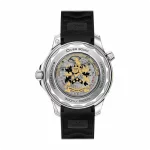
It feels amazing to wear something powered by a tiny, ticking engine. You can see it through the clear case back – a mini world of gears and levers put together by experts. This isn’t just about telling time.
You’re wearing a piece of history, science, and art on your wrist. That feeling of pride from owning a real, high-quality watch? You can’t measure that with an algorithm, and a fake clone can never give it to you.
So, to sum it up, a Swiss movement watch is way more than a tool for telling time. It’s the result of centuries of new ideas, super strict standards, and amazing skill.
Its mechanical movements are famously reliable, and its quartz versions are razor-sharp precise. It sets the quality standard for the whole watch world. Sure, it might cost more upfront than a generic or clone watch.
But you get so much back in the long run: better performance, it lasts longer, and it keeps its value. It’s a really smart choice. Now you know what makes these watches special. You should really go try one for yourself.
Head to a dealer. Feel how solid it is, wind it up, and watch the second hand glide smoothly. It’s a story of human cleverness right there on your wrist.
FAQ About what is a swiss movement watch
What exactly does Swiss Movement mean?
By law, Swiss Movement means the watch’s inner workings were put together, started up, fine-tuned, and checked over in Switzerland. Plus, at least 60% of the parts cost has to come from Switzerland. It’s a protected name that promises a certain level of where it’s from and how good it is.
Are Swiss automatic watches better than Japanese?
What’s better really depends on what you’re looking for. Swiss automatics are famous for their history, great looks, and they hold their value well. Japanese ones from Seiko or Citizen are awesome for
accuracy, cool tech like Spring Drive, and being a great deal. Both are top-notch; you pick based on if you want tradition or the latest features.
How can I tell if a watch has a real Swiss movement?
First, look for Swiss Made on the dial, which is a strong indicator. To be totally sure, you gotta see the movement, maybe through a clear back or have a pro open it up. Real ones will have the maker’s name like ETA or Sellita and a model number etched on, and they’ll look really well-made.
Is it worth buying an older Swiss mechanical watch?
Yeah, old Swiss mechanical watches can be great buys and real collectibles. But, it’s super important to get a trusted watchmaker to check out any old watch before you buy it.
They can see how the movement is doing, spot any parts that aren’t original, and guess what repairs might cost, so you know you’re making a smart purchase.


