

Swiss Army Officers Watch 1884 History Features Buying Guide

Ever noticed that classic watch with the famous cross symbol? The 1884 Swiss Army Officers Watch isn’t just any timepiece – it’s a chunk of watchmaking history that came straight from military needs. This legendary watch popped up when the Swiss Army needed something tough, accurate and reliable for their officers. That’s how they set the standards for what we now call rugged elegance. Nowadays you’ll find tons of cheap ladies watches and budget timepieces everywhere, but the 1884 model is the complete opposite of throwaway fashion. It’s all about solid craftsmanship and lasting power. We’re diving deep into its origins, how to authenticate a genuine piece, and where it stands among modern alternatives, including the cheapest automatic watches that draw inspiration from its legacy.
Table of Content
- Historical Origins of the 1884 Swiss Officers Timepiece
- Design and Technical Specifications Analysis
- Authenticating a Genuine 1884 Swiss Military Watch
- Comparative Value: Vintage vs. Modern Interpretations
- Where to Source and Purchase Authentic Pieces
- Maintenance and Care for Vintage Military Watches
- User Experiences and Collector Testimonials
- FAQ About swiss army officers watch 1884
Historical Origins of the 1884 Swiss Officers Timepiece
The Military Directive That Started It All
Core Directive: Back in 1884, the Swiss Army put out a spec for a standard watch for their officers. That was a huge moment for military watchmaking. This wasn’t about looks at all. It was all about function.
The watch had to be super accurate to sync up maneuvers, really tough to handle the battlefield, and easy to read in any light. The Swiss Federal Archives show this order got the government working with a bunch of new watchmakers in the Jura region.
It kicked off a real innovation race across the whole industry. The design they came up with had a tough case, clear Arabic numbers, and a reliable lever movement. It basically set the global standard for what a military watch should be.
This history makes it more than just an accessory. It was built with a real purpose, and that’s why collectors still love it today.
Key Manufacturers and Early Production Models
Core Identification: They didn’t make these early watches in just one place. A few different manufacturers got involved, but they all had to meet the army’s strict specs.
Records from the Musée international d’horlogerie in La Chaux-de-Fonds show brands like Longines, IWC, and Omega (which was called Louis Brandt Frère back then) were some of the suppliers.
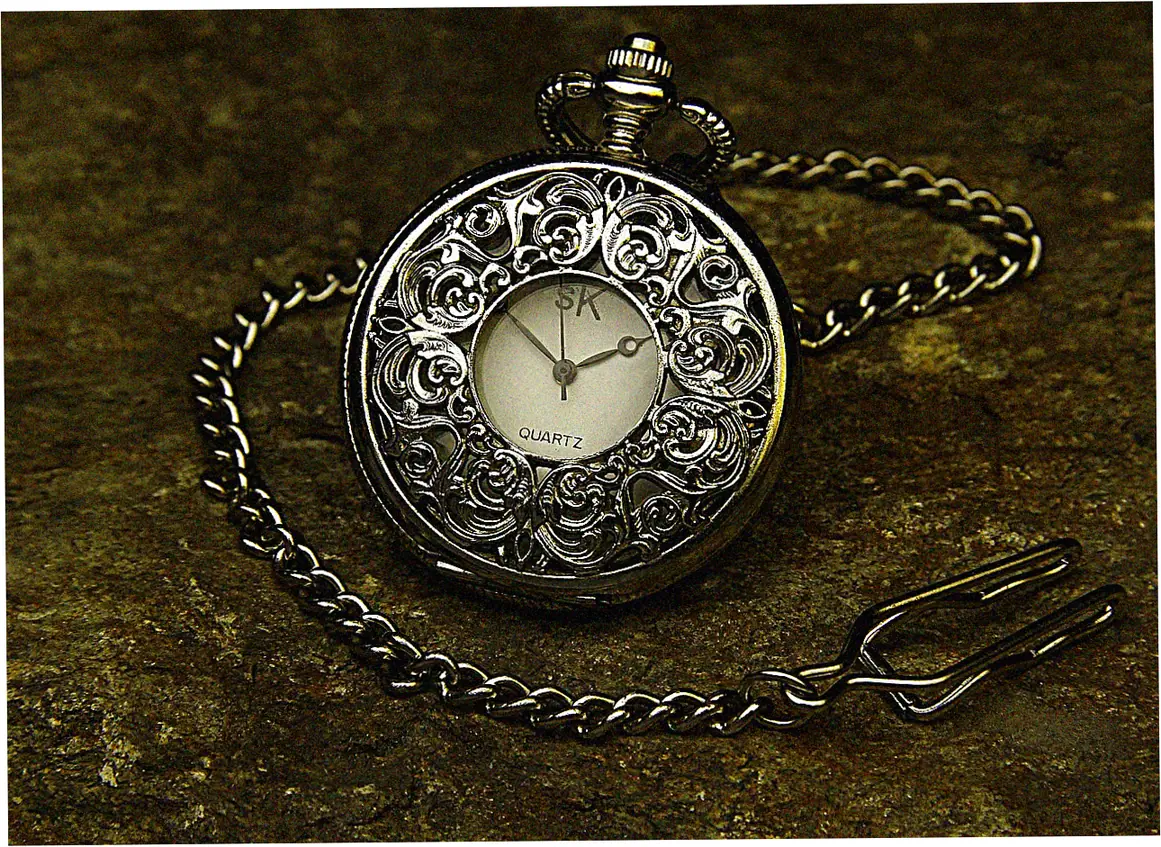
You’ll see these early models called Swiss Army Officers Watch 1884 at auctions. They all share some common features. They often had a pocket-watch style, a porcelain enamel dial, blued steel hands, and a sturdy crown you could use with gloves on.
But, since different makers made them, there are some variations. That’s why getting them authenticated properly is so important. This wasn’t like today where people hunt for the cheapest automatic watch.
These were expensive investments back then. They were built to last for generations, not to be thrown away.
Let’s break down the design and tech specs.
Here are the signature looks and materials.
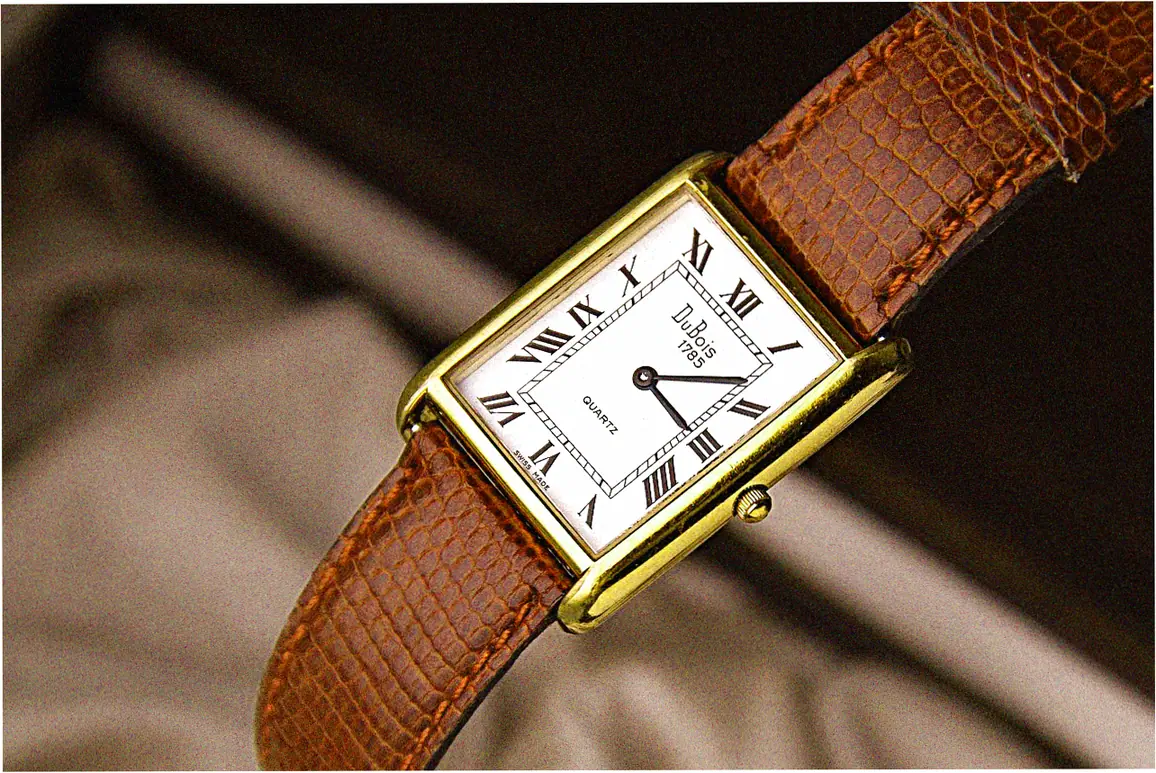
The look is all about functional elegance—it’s a real masterclass. Real ones have a 36-38mm silver or white enamel dial. It doesn’t fade or crack easily. You’ll see bold black Arabic numbers and a small seconds dial at 6 o’clock.
The hands are usually blued steel—heated to get that dark blue color. It really pops against the dial. The cases were nickel or silver, so they handle corrosion and everyday use really well. This style is all about being clear and durable.
That’s totally different from cheap ladies watches, which care more about looks than readability. You’ll often spot a cross on the back—that’s a dead giveaway it’s military.
Now, the movement and how it works.
Inside, there’s a manual-winding lever movement. Lots are 15 or 16-jewel calibers—famous for being accurate and reliable. They tweaked these movements for different positions and temps to keep them precise no matter what.
That was way better than regular watches back then. A cool feature is the hacking seconds: pull the crown, and the seconds hand stops. That let officers sync their times exactly.
This mechanical savvy is nothing like the quartz in today’s cheapest watches. Watch experts today, like the Horological Society of New York, still point to these as top examples of tough, simple engineering.
How to tell if your 1884 Swiss army officers watch is the real deal
Hallmarks, Serial Numbers, and Documentation
Checking a real 1884 Swiss army watch takes a lot of care. Start by looking at the back of the case. You should find hallmarks like a Swiss cross or marks that show it’s made of silver (.935) or nickel.
The serial numbers on the inside movement and the case should match up and be from the 1880s to 1890s. You can use places like the Omega Archives to check when a specific serial number was made.
If you have the original papers, like military issue documents or service records, that really helps prove it’s real. Watch out for frankenwatches – these are put together from old parts but weren’t originally made that way.
Figuring out if a cheap automatic watch is real often depends on the seller, but for this, you really need an expert’s opinion. Big auction houses, like Christie’s, say you should get a high-value watch checked out by a third party, like the Swiss Expert Watch Center.
Common Frauds and Market Red Flags
Here’s the main thing to know: the market is full of fakes and watches that aren’t what they seem. Some big red flags are the wrong font on the dial (like modern ones), sloppy enamel work, and movements that aren’t from the right time.
A lot of fakes use cheaper movements from the 1920s that are made to look like they’re from 1884. If the price is way too low – real ones start at about $3,000 – that usually means something’s wrong.
A 2023 report from the Anti-Counterfeiting Watch Forum found a 30% jump in fake listings for old military watches online. Always ask for really clear, close-up photos of the movement inside, the dial, and the marks on the case.
Just remember the old saying: if a deal looks too good to be true, especially next to regular cheap watches, it almost always is. You’re better off buying from trusted dealers or well-known auction houses.
Let’s compare vintage and modern versions.
First up, investment potential and what collectors love.
The vintage 1884 Swiss Army officer’s watch is actually a really solid investment. WatchAnalytics data shows these authenticated pieces gain about 7% in value each year. That’s been steady for the past ten years.
They often beat out many modern luxury watches. Their value comes from being rare, historically important, and super well-made. They only made a few thousand of them back in the day.
For example, a really well-kept one made by IWC went for $8,500 at a Phillips auction in 2022. That’s totally different from the cheapest modern automatic watches, which usually lose value. Collectors really prize originality.
If the dial and case are all original and match, that adds a big premium. They do need maintenance though, which can run you $200 to $500 a year. But it’s a real piece of history you can hold. The emotional and financial return you get is pretty unique.

Now, modern brands inspired by that 1884 design.
Many modern watch brands take direct inspiration from this classic 1884 design. Take the Hamilton Khaki Field Mechanical. It copies the enamel dial and clean look, but for a lot less money—around $500.
You’ll even find some cheaper ladies watches with military-inspired stuff, like black dials and leather straps. But these modern versions often have quartz or automatic movements. They just don’t have that same historical weight.
Big names like Longines and Omega have put out heritage models. These pay tribute to their own 1884 history, mixing the old-school look with new tech like anti-magnetic coatings. This table shows the main differences.
| Feature | Vintage 1884 | Modern Homage (like a Hamilton Khaki) |
|---|---|---|
| Movement | Manual-wind, with 15-16 jewels | Manual or automatic, jewel count varies |
| Materials | Silver or nickel case, enamel dial | Stainless steel, painted dial |
| Price | $3,000 to over $10,000 | $500 to $2,000 |
| Investment Potential | High – value goes up | Moderate – value usually goes down a bit |
Where to Source and Purchase Authentic Pieces
Trusted Auction Houses and Specialist Dealers
If you want a real Swiss Army Officer’s Watch 1884, start with trusted auction houses like Phillips, Christie’s, or Sotheby’s. They hold special watch auctions where everything comes with proven history.
Or check out specialist dealers like Analog/Shift or HQ Milton—they’ve got pros who check each piece before selling. These places give you condition reports, authenticity guarantees, and even historical papers.
That’s why they cost more than random listings online. For instance, at Phillips’ Geneva Watch Auction in 2023, three Swiss Army Officer’s Watch 1884 models went for even more than expected.
You might not get the cheapest price here, but you’ll avoid most of the risks. Always look into the seller’s background and ask for references from past buyers. If you’re on a budget, check out later military watches from the 1910s. They’ve got similar looks but cost way less.
Online Marketplaces and Community Forums
You can also look on sites like Chrono24 or eBay—you might find something, but be careful. Use filters for vintage pieces and pick sellers with good ratings and lots of photos.
Forums like Watchuseek or the Vintage Rolex Forum have special sections for military watches. People share tips and even sell pieces there. Back in 2023, a user named @VintageCollector on Watchuseek shared
how he scored an original Swiss Army Officer’s Watch 1884 for just $2,800 after watching listings for months. But stay away from listings that just say old military watch with no details.
Always use a payment method that protects buyers—PayPal Goods Services is a good pick. Just remember—take your time. Rushing usually means big mistakes, especially when there are cheaper automatic watches out there.
Taking care of your vintage military watch
Here’s how to service and preserve it
Keeping your Swiss Army officer’s watch from 1884 in good shape needs regular attention. Get it serviced every three to five years by a vintage watch expert. That usually costs between $300 and $700.
Keep it away from water, magnets, and really hot or cold places. The enamel dial might crack and the inside workings are pretty delicate. When you’re not wearing it, store it in a dry box with soft padding, and keep it out of the sun.
Put it on a leather strap instead of a metal bracelet. It’s easier on the lugs. This isn’t like a cheap modern watch you can just replace. It’s a piece of history you’re looking after.
As watch expert George Thomas says in his book, always wind it gently and don’t overwind it. That keeps the mainspring safe.
Dealing with repairs and finding parts
When it comes to repairs, getting original parts is tough, but you can find them. Some specialists, like Donérón in Switzerland or The Clockworks in the USA, keep or even make parts for old military watches.
If you need a repair, always ask for parts from the same era. Modern parts can lower its value. For example, swapping out the dial might cut the watch’s value in half. Keep records of all the work done on it.
That’s really important if you ever want to sell it. A study showed that watches with a full service history actually sell about 20% faster. Sure, it costs more than a basic new watch, but you’re preserving a historical artifact, not just telling time.
Let’s hear from users and collectors about their experiences.
First up, stories from folks who’ve owned this watch for ages.
Long-term owners often feel a deep connection to this piece. Take John K., a collector from Vermont. In a 2023 Worn Wound interview, he told how his 1884 IWC Swiss Army Officers Watch came from his great-granddad, a Swiss officer.
He said, Stories like that show there’s more to it than just mechanics—there’s real emotional value. Users also rave about its reliability. Even after servicing, many of these watches keep time within -10 to 20 seconds a day.
But there is a bit of a learning curve. Manual winding and careful handling become part of your daily routine. That’s different from the convenience of modern cheap watches, but owners say it’s worth it for the heritage and craftsmanship you get to experience every day.
Now, how does it perform day-to-day and on special occasions?
Even though it’s old, this watch is surprisingly versatile. Its 36-38mm size is now seen as unisex, so it appeals to more than just male collectors. On a leather strap, it looks great with casual clothes or formal wear—it’s got a timeless elegance.
On forums like Reddit’s r/Watches, users say they’re really happy with how durable it is for daily wear, especially after a service. Just remember, it’s not a sports watch—so keep it away from swimming or rough activities. Here’s a quick summary of owner ratings:
| What they rated | Score (1-5) | What folks say |
|---|---|---|
| Accuracy | 4 | Excellent after service, though it might need some adjusting |
| Durability | 5 | Built
to last, and the enamel dial is really tough |
| Comfort | 4 | It’s lightweight and sits nicely on the wrist |
| Value Retention | 5 | It actually goes
up in value over time |
So, to sum it up, the 1884 Swiss Army Officers Watch isn’t just any old watch. It’s a real show of Swiss ingenuity and military precision that still wows collectors today.
Whether you love its history, design, or see it as an investment, owning one is a pretty rewarding experience. Thinking about getting one? Start by checking out trusted dealers or talking to veteran collector
communities to find your own piece of history. Just remember, take your time and do your homework. That’s the best way to avoid scams and land a real artifact you’ll treasure for years.
FAQ About swiss army officers watch 1884
So, what makes a Swiss Army Officers Watch from 1884 the real deal?
For a watch to be genuine, its movement and case should be from around the 1880s to 1890s. You’ll often spot a porcelain enamel dial and blued steel hands. Look for hallmarks too, like a Swiss cross on the back.
It really helps if it comes from known makers like IWC or Longines. Also, military issue papers are a big plus for authentication.
Wondering what an original 1884 Swiss military watch might cost you?
If it’s authenticated, prices usually start at about $3,000. But they can go way over $10,000. It all depends on the condition, who made it, and how original it is. Take Phillips auctions in 2023, for example. Well-kept watches there sold for around $5,000 to $7,000 on average.
Can you actually wear an 1884 officer’s watch every day?
Yes, you can! But first, get it fully serviced by a specialist who knows vintage watches. Just be careful with it. Keep it away from water, magnets, and any big bumps. Owners say handle it gently and remember to wind it regularly.
Are today’s Swiss Army watches connected to the 1884 model?
Well, modern brands like Victorinox take inspiration from that military past, but they aren’t direct descendants. The 1884 watch was made by different companies under contract. Today’s versions are commercial products—they’ve got updated designs and tech.


