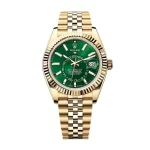


Elegant Swiss Dress Watches Guide for Style and Value

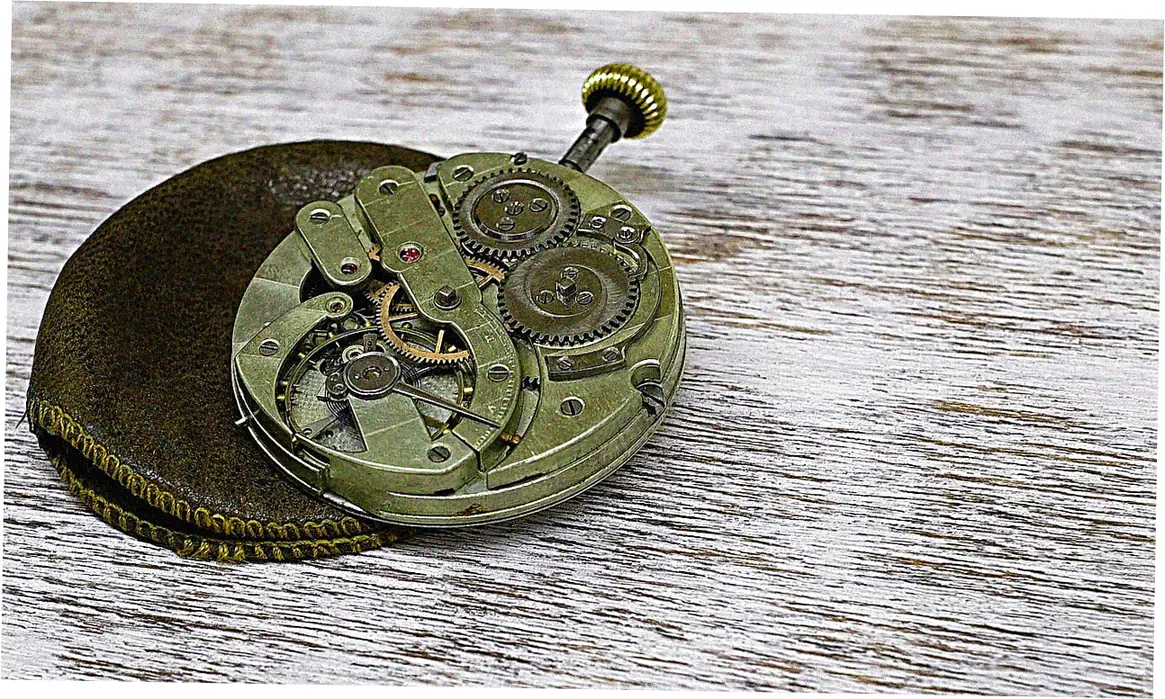
I first got into fancy watches, and Swiss dress watches really caught my eye right away. They mix precise engineering with simple elegance perfectly. These watch masterpieces aren’t just for telling time. They show off centuries of skill and are the top accessory for formal events or work. Unlike sporty or bulky watches, a good dress watch slides easily under your shirt cuff. It says you value tradition and quality without being flashy. As I learned more about these elegant watches, I noticed their special traits: thin designs, simple faces, and perfect Swiss movements. These set real dress watches apart from casual ones.
Table of Content
Defining Swiss Dress Watch Characteristics
Essential Design Elements
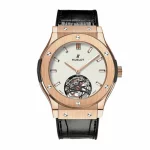
You can spot a real Swiss dress watch by its simple look and perfect size. They usually have super thin cases, less than 10mm thick. These watches care more about being classy than showing off.
Their faces are clean, with just simple markers or Roman numbers. The best ones balance the case and lugs just right. This makes them super comfy to wear under a dress shirt cuff.
Classic styles usually have black or brown leather straps. These match the simple dials, which often have beautiful guilloché or enamel work.
Lots of watch fans look for specific details that set real dress watches apart from other types. The glass is usually sapphire crystal, sometimes a bit domed. It gives you a super clear view and adds a cool vintage vibe.
The hands are normally thin and elegant. They’re often made from blued steel, which gives a nice bit of color against white or ivory dials. All these design bits come together to make watches that are
more like stylish jewelry than just tools for telling time. That’s why people still love Swiss dress watches for weddings, fancy parties, and big business meetings.
Movement and Mechanism Excellence
Under the classy outside of a good Swiss dress watch, you’ll find a super precise mechanical heart. Most high-end models have automatic movements. These are carefully decorated with perlage, Geneva stripes, and blued screws.
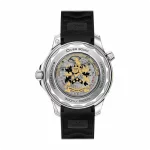
You can see these cool details through a clear caseback. Big names like Patek Philippe, Vacheron Constantin, and Jaeger-LeCoultre are famous for making super thin movements that run these elegant watches.
The seconds hand moves in a smooth sweep, which is a sign of a great mechanical movement. It has a hypnotic feel that quartz watches just can’t match.
When collectors check out movements, they look at the power reserve, how accurate it is, and the quality of the finishing. Fancier Swiss dress watches often add complications. Things like moon phases, power reserve indicators, or small seconds dials.
These add function but keep the elegant look. New innovations include silicon hairsprings. These help the watch resist magnetism better and need servicing less often.
Some cheaper Swiss brands use quartz movements in their dress watches. But for purists who love traditional watchmaking, mechanical movements are still the top choice.
Historical Evolution of Dress Timepieces
From Pocket to Wristwear Transformation
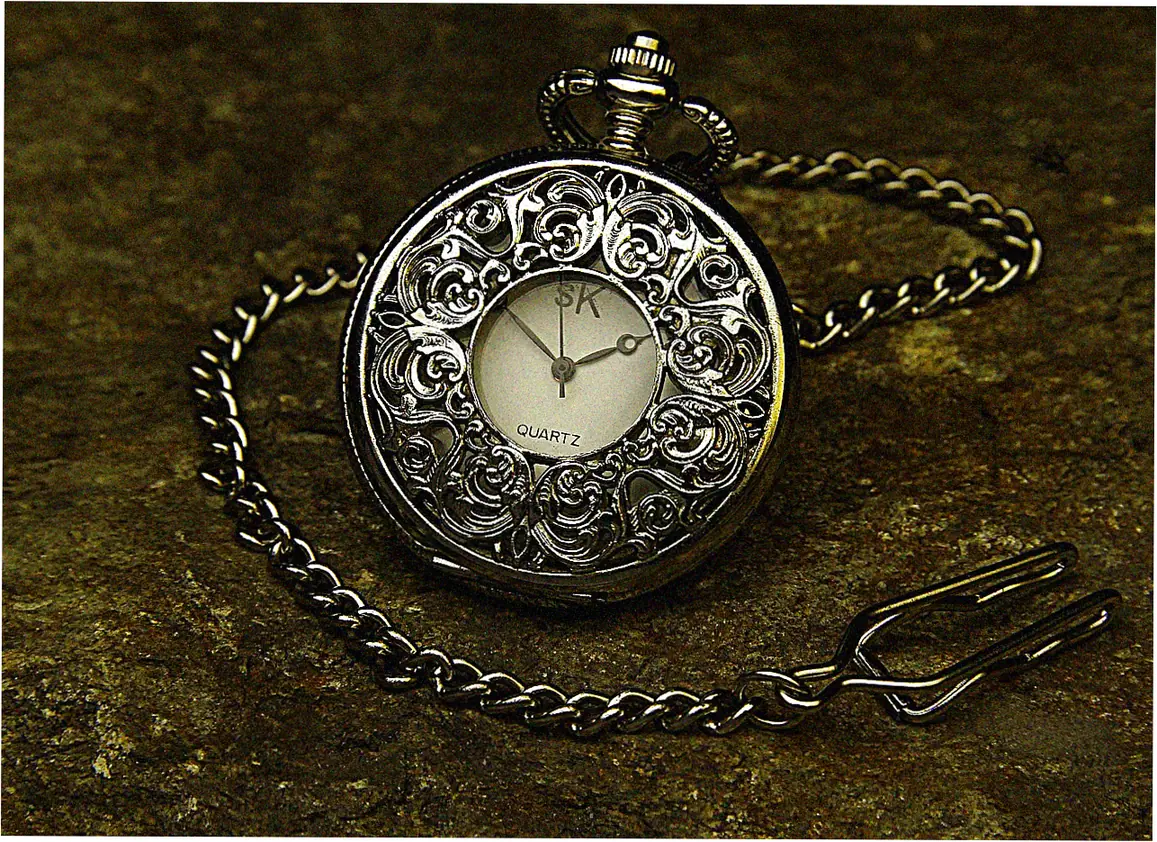
Dress watches started evolving back in the early 1900s, when people switched from pocket watches to wristwatches. During World War I, soldiers found wristwatches super practical, so watchmakers took pocket
watch designs and made them smaller and easier to wear. Then in the 1920s, the first real dress watches appeared. Cartier’s Tank and Jaeger-LeCoultre’s Reverso quickly became classics. These early models set the style for decades – think rectangular or round cases, simple dials, and leather straps.
After World War II, Swiss dress watches hit their golden age. Brands like Rolex, Omega, and Longines made really elegant watches that mixed cool tech with beautiful looks. The 1950s brought automatic movements and water resistance to dress watches.
Then the 1960s added ultra-thin calendars and moon phase features. For decades, Swiss watchmakers stayed on top by balancing old-school tradition with new ideas. They made watches that both traditional and modern folks loved.
Iconic Models and Their Legacy
Some Swiss dress watches have become real icons over time, thanks to their amazing designs and cool history. Take the Patek Philippe Calatrava from 1932 – it set the standard for round dress watches with its clean look and perfect size.
Similarly, the Audemars Piguet Ultra-Thin Royal Oak makes dress watches even better with its super slim look and built-in bracelet. These watches show how Swiss makers keep improving dress watch styles while sticking to their core design rules.
The Vacheron Constantin Patrimony and Jaeger-LeCoultre Master Control lines give us modern takes on classic dress watch designs. They use modern making methods and materials, but keep the elegant sizes and simple dials that make dress watches special.
Their lasting popularity shows that even as fashions change, people still love a well-made Swiss dress watch. Collectors especially go crazy for vintage models from the 50s to 70s. These often have beautifully aged dials and cases that new versions just can’t match.

Selecting Your Perfect Dress Watch
Budget Considerations and Value Retention
When you’re looking at Swiss dress watches, you’ll find different prices. It helps to know how cost, quality, and value retention connect. For around $500, entry-level Swiss brands like Tissot and Hamilton have mechanical dress watches.
They give you great craftsmanship without spending too much. If you move up to mid-range, brands like Longines, Raymond Weil, and Frederique Constant offer better finishing and extra features. These usually cost between $1,000 and $3,000.
Luxury Swiss dress watches from Rolex, Omega, or IWC often go from $5,000 to $15,000. And if you look at high-end ones from Patek Philippe or Vacheron Constantin, they can be over $50,000.
You might find cheaper watches from non-Swiss makers, but they usually don’t have the same craft, history, or value hold as real Swiss dress watches. If you’re thinking about investment, check out the pre-owned market.
Well-kept luxury Swiss dress watches from good brands often keep or even grow in value. Limited editions or watches with history usually make the best investments.
For everyday use, mid-range Swiss dress watches are great. They balance quality, looks, and price, and you won’t worry too much about wearing them.
Matching Watch to Occasion and Personal Style
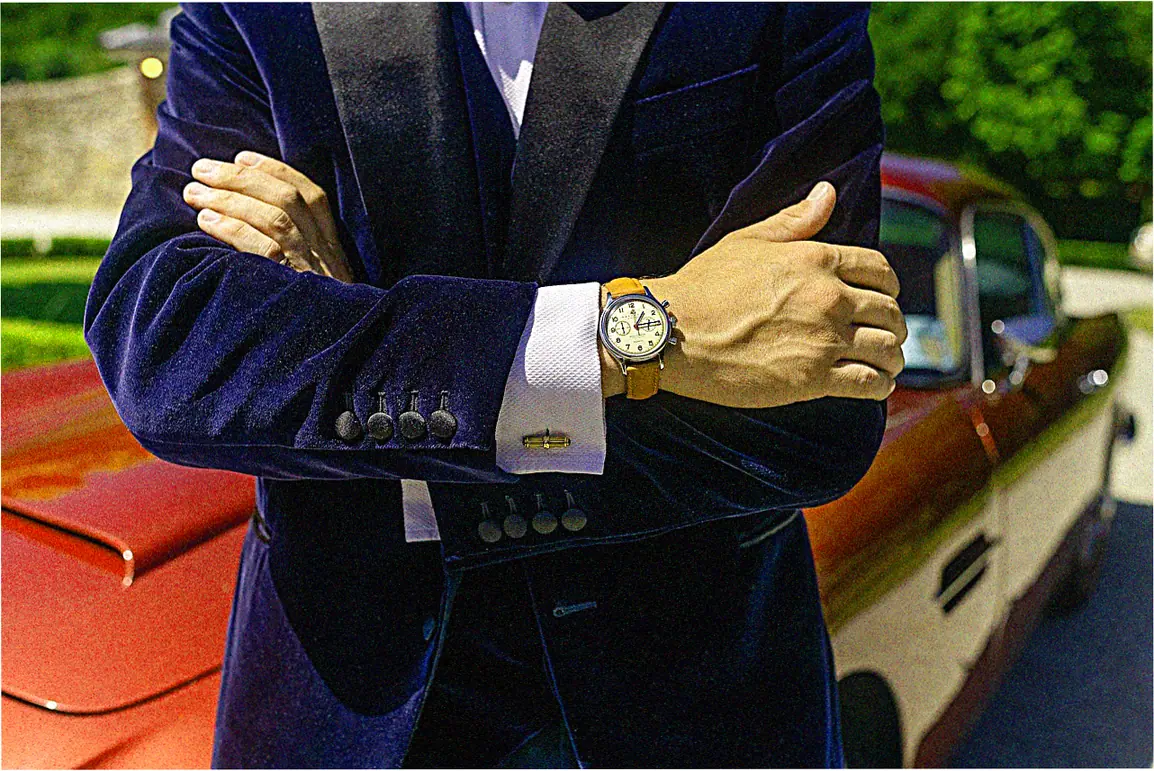
Picking the right Swiss dress watch means thinking about where you’ll wear it and what matches your style. For formal events like weddings, go with classic black or white dials and leather straps. Silver or champagne dials work well for business too.
Make sure the case size fits your wrist—usually 38-42mm for men, and 28-34mm for women. These days, dress watches can be a bit bigger, but some still prefer them to stay hidden under a shirt cuff.
If you go from office to evening events, a versatile Swiss dress watch with water resistance and sapphire crystal is durable and practical. If you like a modern look, try models with textured dials, see-through
backs, or materials like ceramic or titanium. Most importantly, see how the watch feels on your wrist—both in comfort and style. A good Swiss dress watch should boost your confidence and match your style, not overpower it.
Swiss vs. Alternative Dress Watch Markets
Comparative Quality and Craftsmanship Analysis
Swiss dress watches have been top dogs for ages, all thanks to their never-ending improvements in craft and tech. When you stack them up against Japanese or German options, Swiss dress watches usually
win with better movement finishing, cleaner case building, and way more focus on looks. Sure, brands like Grand Seiko give you great quality without breaking the bank, but they just don’t have that classic prestige Swiss makers are known for.
German brands like Glashütte Original and A. Lange Söhne make some stunning dress watches, but their style leans more technical compared to the timeless elegance of Swiss ones.
Lately, we’re seeing new markets pop up with nice dress watches that cost a lot less. Chinese makers like Sea-Gull bring mechanical movements that are pretty accurate, but the finishing and how long they last usually don’t measure up to Swiss levels.
Microbrands all over are rolling out cool designs using Swiss movements without huge price tags, which really draws in collectors who want something different.
But if you care about heritage, holding value, and old-school craftsmanship, Swiss dress watches are still the gold standard—everything else gets compared to them.
Identifying Value in Various Price Segments
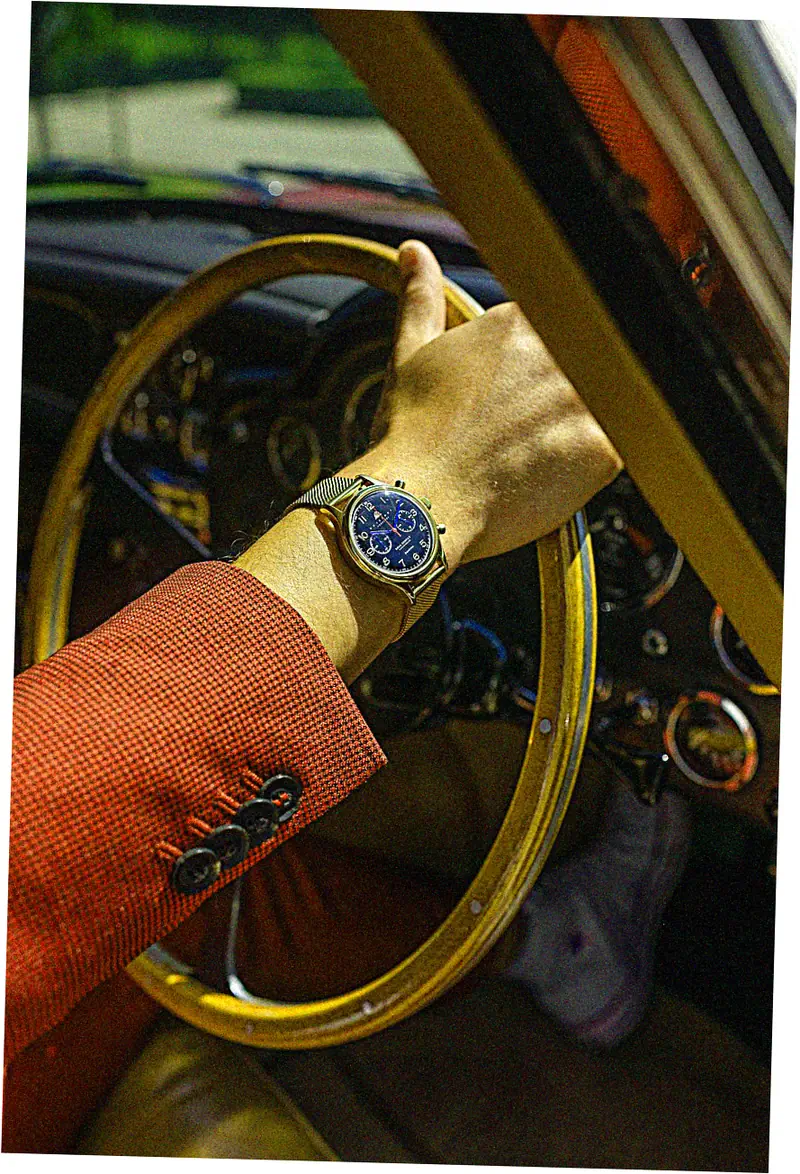
Knowing where the real value is in different price ranges can really help you pick the right Swiss dress watch. For under $1,000, entry-level Swiss dress watches focus more on dependable mechanics and
timeless style rather than fancy materials or extra features. Step up to the $1,000 to $3,000 range, and you’ll get nicer movement finishing, sapphire crystals, plus extras like date windows or better water resistance.
Go luxury above $5,000, and you’re looking at top-notch materials, in-house movements, and gorgeous hand-finishing that make the high price totally worth it.
The pre-owned market is a steal—you can often find lightly used Swiss dress watches way cheaper than retail. Vintage Swiss dress watches from trusted brands can be amazing deals, but you gotta check them
carefully to make sure they’re real and in good shape. If you want the most affordable Swiss heritage watches, look at discontinued models or less famous brands like Oris or Certina—you can still get great
quality without spending a ton. It’s all about balancing what you can spend with that craving for real Swiss quality and craft.
Maintenance and Long-Term Care
Routine Servicing and Preservation Techniques
If you take good care of your Swiss dress watch, it’ll stay accurate and look gorgeous for years to come. Mechanical movements need a service every 3 to 5 years. They’ll replace the lubricants and any worn parts.
Basic models might cost around $200, but complicated ones can go over $1,000. Just wipe it with a soft cloth now and then to keep dirt away. Storing it in a watch box helps avoid scratches and protects it from magnets.
If your watch is water-resistant, get the gaskets checked every year. That stops moisture from getting in and messing up the movement.
Where you keep your watch really affects how long it lasts. Keep your mechanical watch away from strong magnets, like those in electronics. They can throw off its accuracy.
Really hot or cold temps can change the oil inside, and humidity can make it rust. When you’re not wearing it, put it somewhere cool and dry. For automatics, a watch winder is great—it keeps the oils moving.
If it’s a real heirloom piece, hang on to all the service records and the original box. It makes it worth more later and tells its story to the next owner.
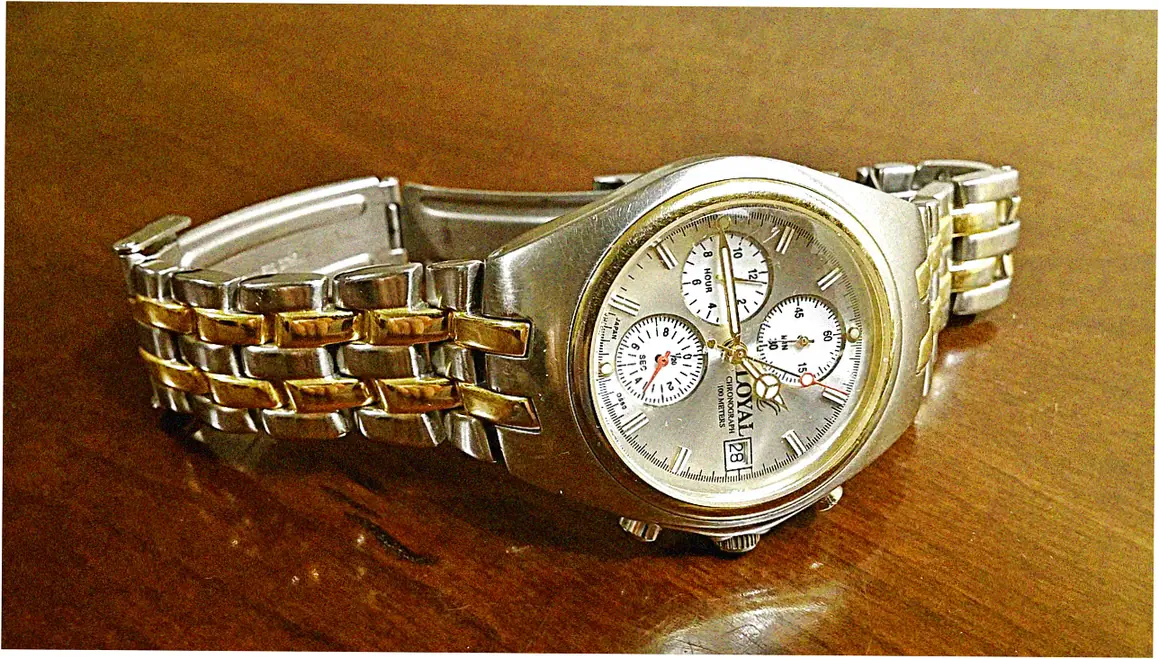
Addressing Common Issues and Repairs
Even if you’re super careful, your Swiss dress watch might still need a pro to fix something. Common issues are scratched crystals, a damaged crown stem, or the movement not keeping good time.
Small scratches on acrylic crystals can often be buffed out with Polywatch. But if it’s sapphire, you’ll probably need a pro to replace it. Crown trouble usually comes from a knock or old gaskets.
You’ll need to get it replaced to keep it water-resistant. If it’s not keeping time right, it likely needs a tune-up or a full service.
Always pick a qualified watchmaker for repairs. They’ll use real parts and know what they’re doing. Authorized centers have factory-trained folks and original parts. But a good independent watchmaker can often do just as good a job for less money.
For vintage watches, find a specialist who knows all about the old movements and how to restore them properly. Always get a quote before you say yes to any work. And ask for your old parts back.
Looking after your watch well doesn’t just keep it running—it also protects your investment in a quality Swiss dress watch.
Sustainable Watchmaking and Ethical Considerations
Environmental Initiatives in Swiss Watch Industry
<
The Swiss watch industry is really getting into sustainable practices these days. They’re tackling environmental issues with some clever new manufacturing methods. Take Omega and IWC – they’ve gone carbon-neutral in their production.
Panerai led the way with eco-friendly titanium cases and using recycled materials. Lots of makers now power their factories with solar energy. They also prefer local components to cut down on shipping emissions.
Even the packaging has changed. Instead of exotic woods, they’re using sustainable options like recycled paper and plant-based plastics.
But it’s not just about production. Brands also focus on making Swiss dress watches that last and can be repaired – that’s sustainability at its core. These Swiss dress watches are built to last decades.
There are service networks ready to keep them running smoothly. Rolex and others keep huge spare parts inventories, even for discontinued models. That really fights against throwaway culture.
The whole industry values heritage and passing watches between generations. This naturally encourages sustainable consumption. More and more, shoppers care about these green commitments. They pick brands that match their own eco-values.
Ethical Sourcing and Transparency Advancements
When it comes to ethics in watchmaking, it’s mostly about where materials come from. Think gold, diamonds, and leather. Top Swiss brands now have strict chain-of-custody rules. This makes sure materials are conflict-free.
The Responsible Jewellery Council certification is pretty standard now for luxury watches. It verifies ethical mining and processing. Leather straps often come from Leather Working Group certified tanneries. This promotes animal welfare and eco-friendly production.
Labor practices are another ethical area. Swiss manufacturers keep great working conditions and run apprenticeship programs that preserve traditional craft. Transparency has gotten better too, thanks to blockchain.
Now you can trace where materials come from and the production history. Sure, challenges remain, but the industry is making real progress on ethical sourcing. It shows their commitment to social responsibility.
As buyers become more aware of production ethics, these factors matter more in purchasing decisions. They join the usual considerations of design and craftsmanship.
Picking a Swiss dress watch means balancing what you like aesthetically, what you need technically, and what feels right ethically. These timeless pieces do more than tell time.
They connect you with centuries of watchmaking tradition while supporting sustainable manufacturing. Whether you go for an entry-level model or an investment-grade masterpiece, the right dress watch should
show your personal style. It should also embody the craftsmanship that makes Swiss watchmaking so legendary.
Check out authorized retailers or trusted pre-owned dealers to see these amazing timepieces for yourself. Try on different models to see which one really fits your personal style and looks good on your wrist.
Remember, a quality Swiss dress watch becomes more than just something that tells time. It becomes a companion for life’s big moments, and maybe even a legacy for future generations.
FAQ About swiss dress watch
So, what makes a Swiss dress watch the real deal?
A real Swiss dress watch has a few must-haves. It needs a Swiss-made movement, a super slim case (usually under 10mm thick), a clean dial with simple markers, and a leather strap. These watches are all about being elegant and discreet.
They’re made to slide easily under a shirt cuff and still keep perfect time. You’ll usually find mechanical movements in the classic ones, but some newer models might go for quartz.
Wondering what a good Swiss dress watch will cost you?
For around $500, you can get started with brands like Tissot or Hamilton. They give you reliable mechanics and that classic look. If you spend between $1,000 and $3,000, look at Longines or Raymond Weil.
You’ll get better finishing and more features. The luxury stuff kicks in around $5,000, and the top-tier haute horlogerie pieces can go well over $20,000. If you’re thinking of it as an investment, check out the pre-owned market for better deals.
Can you actually wear a Swiss dress watch every day?
Even though they’re meant for fancy events, lots of Swiss dress watches can handle daily use if you take care of them. Just look for ones that are water-resistant (at least 30 meters), have a tough sapphire crystal, and a sturdy leather strap.
Newer materials, like ceramic bezels or coated crystals, also make them tougher. And get it serviced regularly to keep it running smoothly.
How often does a Swiss dress watch need a service?
For mechanical ones, plan on a service every 3 to 5 years. This keeps them accurate and helps them last. Quartz watches need a new battery every year or two, and a full service every 5 to 7 years. How often you wear it matters too.
A daily driver will need more attention than one you only break out sometimes. When in doubt, just ask an authorized service center what they recommend.