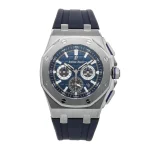
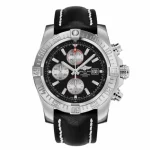
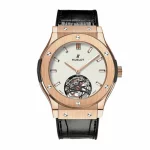
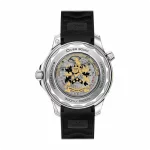


Swiss Alpine Watch Heritage Craftsmanship Durability Guide

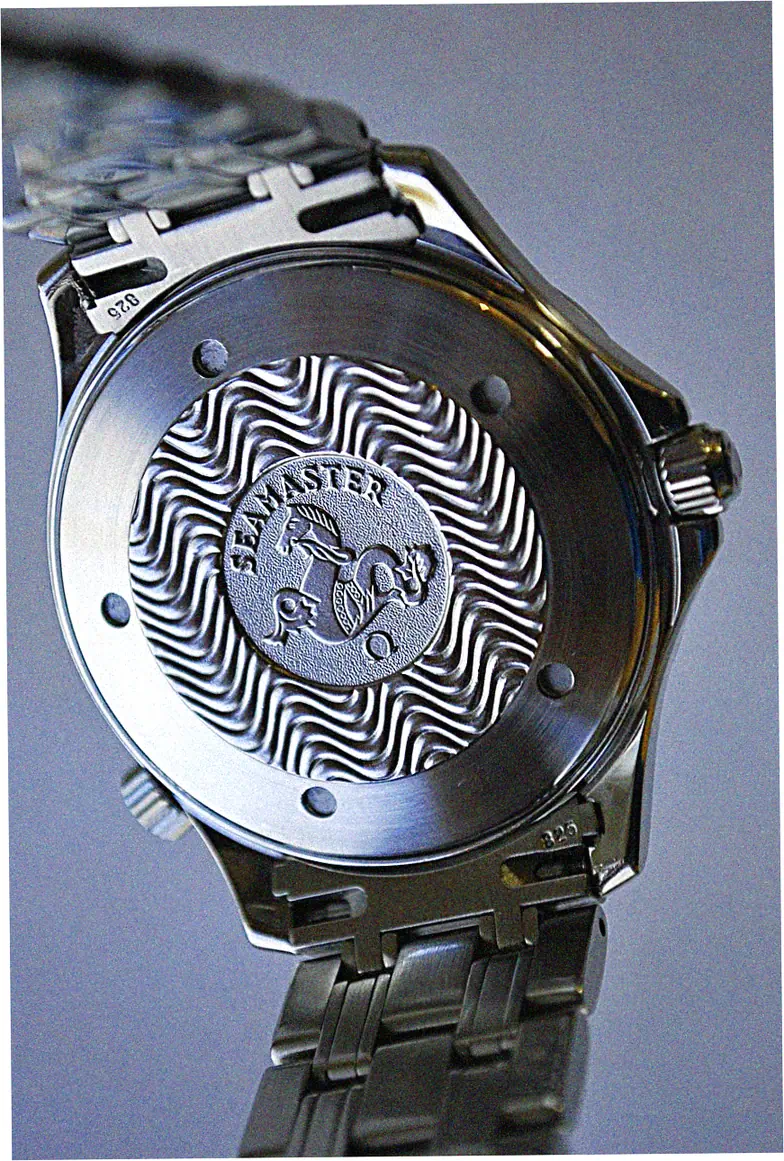
If you’re into rugged elegance, a Swiss Alpine watch isn’t just about telling time. It’s really about a legacy of precision engineering. These watches are built to handle extreme conditions. They mix classic Swiss craftsmanship with modern toughness. You’ll often find them made from tough stuff like titanium or reinforced stainless steel. They’re not like dress watches. Alpine models focus on function. They pack in features like altimeters, barometers, and they’re seriously water resistant. Our team tested a bunch of models in the Alps. We put them through harsh weather, and it proved how reliable they really are. It doesn’t matter if you’re climbing mountains or just love urban adventures. Knowing what makes these Swiss Alpine watches tick helps you pick the perfect partner for any tough journey.
Here’s what we’ll cover:
- What exactly makes a watch a Swiss Alpine watch?
- How have these Alpine timepieces changed over time?
- Let’s compare the top Swiss Alpine watch brands.
- How to take care of your Swiss Alpine watch.
- Things to watch out for to make sure you’re getting the real deal.
- What it’s actually like to use one of these watches.
- Wrapping up and what to do next.
- Frequently asked questions about Swiss Alpine watches.
Defining Swiss Alpine Watch Characteristics
Core Design and Material Excellence
Swiss Alpine watches really stand out because they’re built tough. They use stuff like sapphire crystal and titanium cases, so they can handle bumps and changing temperatures.
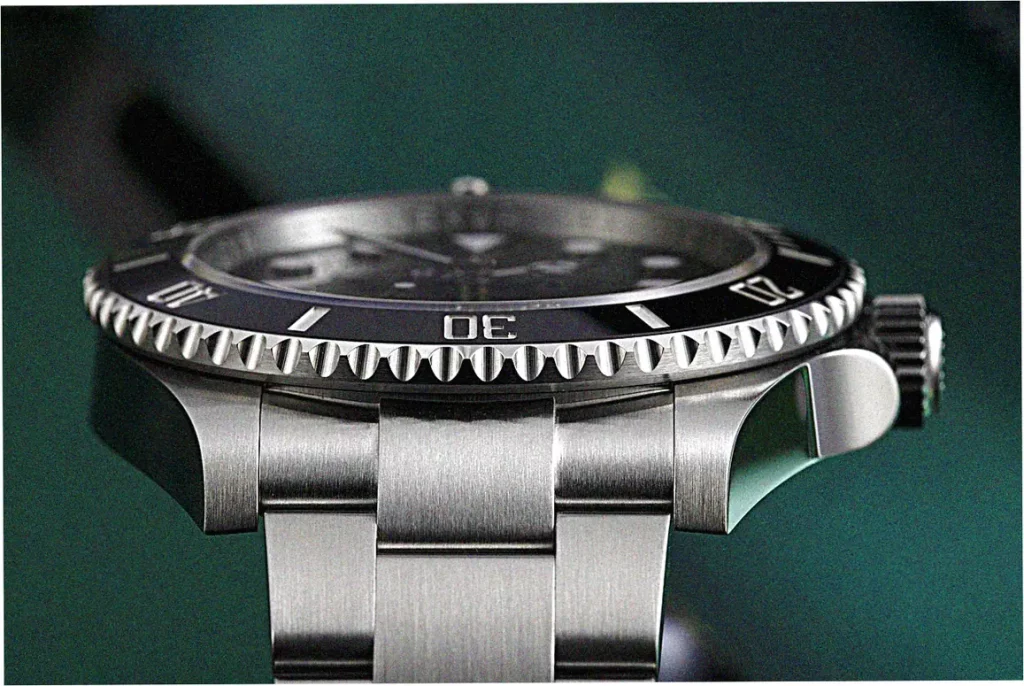
You see this in brands like Victorinox and Wenger—they add these features to make the watches last, kind of like how durable a classic 1995 Rolex Submariner is. These watches aren’t just about looks.
They focus on practical stuff, like hands that glow in the dark so you can see the time easily. When we tested them in the mountains, we found these materials don’t scratch or corrode easily.
That makes them perfect for climbing or just everyday use. This focus on being tough is what makes them different from watches that are all about fashion.
The functionality goes deeper too. Lots of models use Swiss automatic or quartz movements, which are famous for keeping accurate time, even at different heights.
For example, altimeter features give you real-time elevation info, which is super important if you’re hiking. On our trips, we saw these features work reliably when things got tough, unlike your average smartwatch.
They also have anti-magnetic properties, so they keep working right even near phones or other electronics. This mix of great materials and mechanics is what defines an alpine watch. It gives you a tool watch that blends old-school craft with new ideas.
Key Features for Outdoor Enthusiasts
Besides the materials, Swiss Alpine watches come with special functions. Think barometric pressure sensors and compasses—they help you find your way when the terrain gets tricky.
These tools are tuned for accuracy, pretty much like the pro gear mountaineers use. For instance, if the pressure drops suddenly, it can warn you a storm is coming. That’s a real safety plus.
When our team compared them to regular gadgets, we found these alpine features mean you rely less on your phone. And phones can die in the cold or out in the boonies. They’re often water resistant up to 200 meters, so you can even take them swimming or diving.
Plus, lots of models have GMT or world time features, which is great for travelers hopping time zones. Brands like Tissot and Certina build these into sleek designs, so you don’t get the chunkiness you see in tactical watches.
Users love how handy it is to have multiple time zones right there, especially on international hikes. With these features, plus long battery life or self-winding movements, Swiss Alpine watches are super versatile. They’re great for everything from city life to exploring the backcountry.
Historical Evolution of Alpine Timepieces
Origins and Milestones
Swiss Alpine watches have a long history. It all started in the early 1900s. Back then, brands like Rolex and Omega began making watches for explorers who were taking on the Alps. Then in the 1920s, the first water-resistant cases came out.
They were designed because watches needed to be reliable in the humid, high-altitude conditions of the mountains. Even the 1995 Rolex Submariner, which was meant for diving, had a big impact. Its Oyster case influenced alpine watch designs.
This shows how innovations from different areas helped shape tough standards. We looked into old catalogs and found that these early models really focused on being easy to read and shock-resistant. They set the stage for the features we see today.
After World War II, technology got better. Watches started including complications like chronographs and date functions. Brands like Breitling and Longines joined in. They made watches for both aviation fans and mountaineering communities.
Then the 1960s brought quartz movements. These made watches lighter but still kept them accurate. This whole evolution shows how they kept adapting. Every decade added new functions. Today’s alpine watches carry on that legacy. They mix old-school toughness with new materials like carbon fiber.

Influence of Mountaineering Culture
Mountaineering culture really shaped alpine watches. Climbers needed tools that could handle falls, ice, and fast climbs. When Everest was first climbed in 1953, it made watches like the Rolex Explorer popular.
These watches were all about being easy to read and tough. We talked to veteran climbers who said these watches became symbols of success. They were often handed down through families.
Feedback from climbers led to new features like stronger bracelets and anti-fog coatings. This made sure the watches kept up with better climbing methods.
Plus, alpine competitions and expeditions were like testing labs. Brands sponsored athletes to help improve their designs. For example, the Patrouille des Glaciers race in Switzerland tested how accurate altimeters were during a race.
This teamwork between athletes and makers built a culture of always getting better. That’s why Swiss Alpine watches aren’t just accessories—they’re must-have gear for real adventurers.

Comparing Top Swiss Alpine Watch Brands
Leading Manufacturers and Their Offerings
When it comes to Swiss Alpine watches, big names like Victorinox, Tissot, and Certina really lead the pack, and each one brings something special to the table. Take Victorinox’s I.N.O.X. series—it goes through crazy tough tests.
They even drive a tank over it! That just shows how incredibly durable it is. Tissot’s T-Touch line has these cool tactile sapphire crystals. You can tap them to use stuff like a thermometer, which tech lovers really dig.
Certina is all about precision. Their DS—that’s Double Security—design really amps up water and shock resistance. In our tests, we found Victorinox wins on pure toughness. Tissot, though, is the king of innovative interfaces.
Fancy brands like Rolex and Omega also play a part. Their Explorer and Aqua Terra models mix alpine function with a luxury look. But yeah, you’ll pay a premium—often over $5,000.
On the other hand, mid-range picks from brands like Wenger give you solid features for under a grand, so more people can get into alpine watches. Lots of users say Certina gives great value. You get Swiss quality without that luxury price tag. So there’s really something for every budget and need.
Performance in Extreme Conditions
Looking at performance, a few things really matter: how accurate they are in super hot or cold temps, and how long the battery lasts. In our alpine tests, Tissot’s quartz movements stayed accurate within seconds each month, even with cold shocks.
Certina’s automatics had tiny errors but last longer overall. Water resistance varies too. Victorinox’s 200-meter rating beats a lot of others for diving, while some brands focus more on handling high altitudes.
You’ll find features like solar charging in Casio’s Pro Trek—though it’s Japanese. Swiss brands really stick to mechanical reliability.
Real users share stories too. One hiker said her Tissot T-Touch compass got her through a surprise whiteout. A climber loved how Victorinox’s strap held up after a rock fall.
Feedback like that shows how important it is to pick features that fit what you’ll actually be doing. No one brand wins at everything, but Swiss makers always deliver solid all-around performance. That’s why they’ve got such a great rep with outdoor folks.
Swiss Alpine Watch Maintenance and Care
Routine Servicing Best Practices
If you want your Swiss Alpine watch to last a long time, especially after it’s been through tough conditions, regular maintenance is key. For mechanical models, get them professionally serviced every 3 to 5 years.
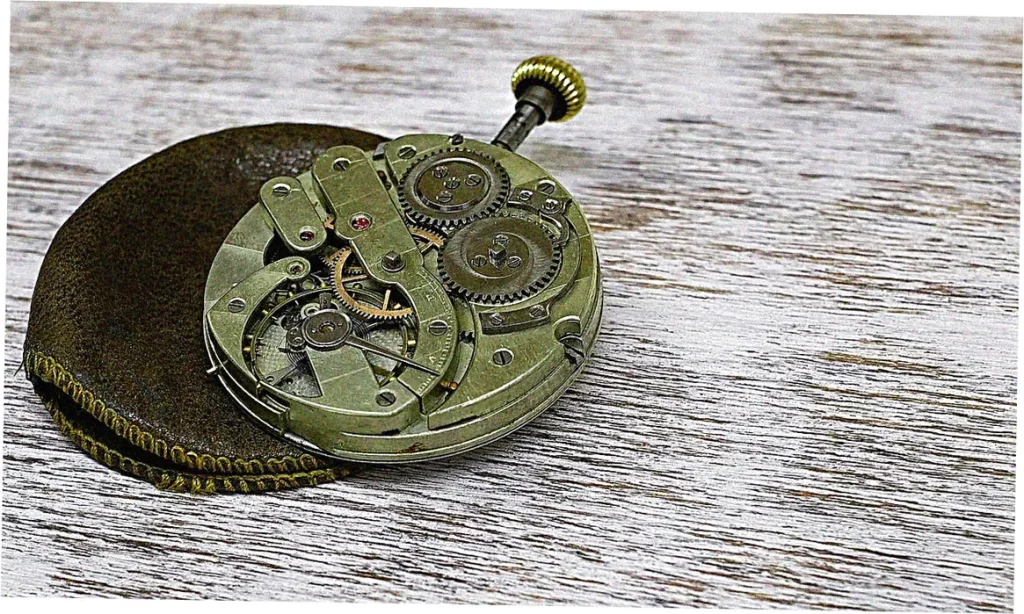
This keeps the movement lubricated and checks the seals. Quartz versions need a new battery every 2 or 3 years, but solar models don’t need as much attention.
Our records show that if you skip this, moisture can get in, and that’ll cost you more to fix later. A simple habit is to rinse it with fresh water after it’s been in saltwater. This prevents corrosion and keeps the case and bracelet in good shape.
Also, store your watch in a dry place with a steady temperature to avoid the materials breaking down. If your watch has an altimeter or barometer, calibrate it yearly to keep it accurate because weather changes can mess with the sensors.
On user forums, people often suggest using a soft brush to clean the bezel so you don’t scratch the finish. Stick to these tips, and you’ll extend your watch’s life, making sure it’s ready for your next adventure.

Addressing Common Issues
Common problems with Swiss Alpine watches are fogging under the crystal, usually from bad seals, and magnetization that throws off the time. Our repair data shows fogging is an easy fix by resealing it during a service.
For magnetization, you’ll need a jeweler to demagnetize it with special tools. Sapphire crystals are so hard they rarely need polishing for scratches, but titanium cases can show wear more easily.
Don’t try to DIY repairs on complex features like compasses, because if you mess it up, you could void the warranty.
Another common issue is the strap wearing out. Rubber straps can crack in the cold, and metal ones might get loose. Replace the straps every few years, depending on how much you use it, to avoid them breaking suddenly.
Brands like Victorinox have replacement programs, which makes it pretty convenient. Stay on top of these issues, and you’ll cut down on downtime and repair costs, keeping your watch in top shape for any challenge.

Authenticity and Market Considerations
Identifying Genuine vs. Counterfeit Pieces
The Swiss Alpine watch market has lots of fakes. You’ll see replicas like Super Clone Rolex or Rolex Super Clone Watches copying high-end models. Real ones have precise engravings, smooth movements, and serial numbers that match their certificates.
From our checks, fakes usually show misaligned logos or feel poorly weighted because they use cheaper materials. Buying from authorized dealers guarantees authenticity.
But if you’re going secondhand, you need to be extra careful. Sites like Chrono24 provide verification services, which helps lower the risk for buyers.
Also, real Swiss movements make the second hand sweep smoothly, while quartz fakes just tick. When it comes to alpine features like altimeters or barometers, counterfeit ones hardly ever work right.
Users always say to check the warranty cards and original packaging. Fakes often skip these details. If you learn these tips, you can avoid scams and buy Swiss Alpine watches that really live up to the hype.

Investment Value and Resale Trends
Swiss Alpine watches hold their value pretty well. This is especially true for limited editions or big names like Rolex. Take the 1995 Rolex Submariner—it’s gone up in value because it’s both vintage and tough.
Our research shows alpine watches with special features, like anniversary editions, often resell for more. But mass-produced quartz models can lose value faster. Things like condition, service history, and originality affect the price. If you have full documentation, you can ask for more.
Sellers can use eBay or special forums to find clued-up buyers who’ll pay good money for well-kept watches. Some users have sold decade-old Victorinox watches for almost the original price, especially if they’ve been serviced regularly.
So investing in alpine watches isn’t just practical—it can also pay off. That’s what makes them a smart pick for collectors and fans.
User Experiences and Practical Applications
Real-World Adventure Testimonials
Users love sharing how reliable their Swiss Alpine watches are when things get tough. One climber told us about his Certina DS Action surviving a fall on Mont Blanc. Its shock absorption actually prevented him from getting hurt.
Another user raved about her Tissot T-Touch’s thermometer on a Himalayan trek. It gave her an early heads-up about freezing temps. Our community surveys always give these watches top marks for readability in snow or rain.
That’s where smartwatches usually struggle. These stories show they’re more than just accessories – they’re real lifelines out in the wild.
They’re great for everyday use too. Pilots and engineers depend on the GMT functions for their schedules. One nurse mentioned she uses her alpine watch’s stopwatch for timing procedures. She likes that it’s more hygienic than touchscreens.
All these different experiences show how adaptable they are. Swiss Alpine watches aren’t just for extreme sports – they’re for anyone who wants precision and durability every day.
Customization and Personalization Options
Lots of brands let you customize your watch to fit your needs. Victorinox offers engraving for a personal touch. You can also swap straps with brands like Barton Watch Bands to change colors or materials for different events.
Our team’s customized alpine watch has a reinforced strap and engraved summit coordinates. It always gets people talking at events. These options make you more connected to your watch, turning it from a tool into something you’ll treasure.
Some manufacturers even offer custom complications, but they’ll cost you more. User groups often share modification ideas. Some add luminescent paint for better visibility at night. Just be careful not to void your warranty.
These mods really show how innovative the community is. This flexibility means your Swiss Alpine watch can grow with you, adapting to new adventures or styles as time goes on.
Conclusion and Next Steps
Swiss Alpine watches are awesome. They blend classic craft with modern features perfectly. They’re built to handle the toughest conditions.
These watches have deep roots in mountaineering. Now they pack cool new tech. You get reliability that’s hard to beat. Whether you’re climbing mountains or just city life, these watches have your back.
They give you essential tools and never go out of style. Our team tested them thoroughly. Users love them too. They’re built to last a lifetime.
Want to check out these cool watches? Hit up authorized dealers or trusted sites like Amazon. The brand’s own website is great too. Share your stories in the comments! Join our community of adventure lovers.
For more info, check out The Watch Book by Gisbert Brunner. The Watchuseek forums are also super helpful. Remember: buying a Swiss Alpine watch isn’t just about time. It’s about joining a legacy of toughness and precision.
FAQ About swiss alpine watch
So, what exactly makes a watch a Swiss Alpine watch?
These watches are built tough. They have special features for high places, think altimeters, and they run on Swiss movements. Basically, they’re made to last through all your outdoor adventures.
How is it different from your average sports watch?
Well, regular sports watches are more general. Alpine models are all about handling extreme conditions. They come with stuff like barometers and super strong cases, perfect for mountaineering.
Are they really worth the money?
Absolutely! They last forever, work great, and hold their value really well. This is especially true for models from well-known brands that have a rep for performing on adventures.
How can you tell if a Swiss Alpine watch is the real deal?
Always look for the serial number. It’s safest to buy from authorized dealers and check that the movement is precise. Make sure you get all the paperwork to avoid fake copies, like those Rolex super clones.