

What Makes Swiss Movement Watches So Special?

Hearing Swiss movement isn’t just about seeing a label on a watch face. It’s a promise of heritage, precise engineering, and a craft legacy that goes back hundreds of years. For lots of watch lovers and regular folks, a watch with a Swiss-made movement means top-notch reliability. It also feels like a real link to watchmaking history. But what does Swiss movement really mean? And what actual benefits does it have compared to other types? This article gets into the real meaning of the Swiss movement label. We’ll break down the strict legal rules and check out the practical perks. These benefits, like amazing accuracy and lasting value, are why people want these mechanical hearts so much. Whether you’re a pro collector or buying your first nice watch, knowing this stuff is key to making a smart choice.
Table of Content
Defining a Swiss Movement: It’s Not Just About Location.
The Legal Definition and Standards
Here’s the core idea: Swiss movement is a legally protected term. It’s not just a marketing slogan. Swiss law has strict rules for this. A movement only gets the Swiss name if it meets all the criteria.
It has to be put together in Switzerland, get its final check there, and at least 60% of its production costs need to be Swiss. That cost rule is super important.
It makes sure the ideas, the key parts like the mainplate and escapement, and the skilled work are mostly Swiss. This legal setup is what tells a real Swiss movement apart from a watch that just has a Swiss part or gets finished there. Buyers really need to know this difference.
Looking back, that precision reputation didn’t happen overnight. It started in the 1500s when Huguenot crafters brought their skills to Geneva. Then it got locked in during the big tech changes of the 1800s and 1900s.
Now, groups like the Federation of the Swiss Watch Industry (FH) guard these standards. This whole journey, from old-school guilds to today’s global rules, shows why the Swiss made label means so much.
It’s a story of never stopping innovation. From Breguet’s inventions way back to today’s COSC chronometer tests, it all adds up to what we think of today.
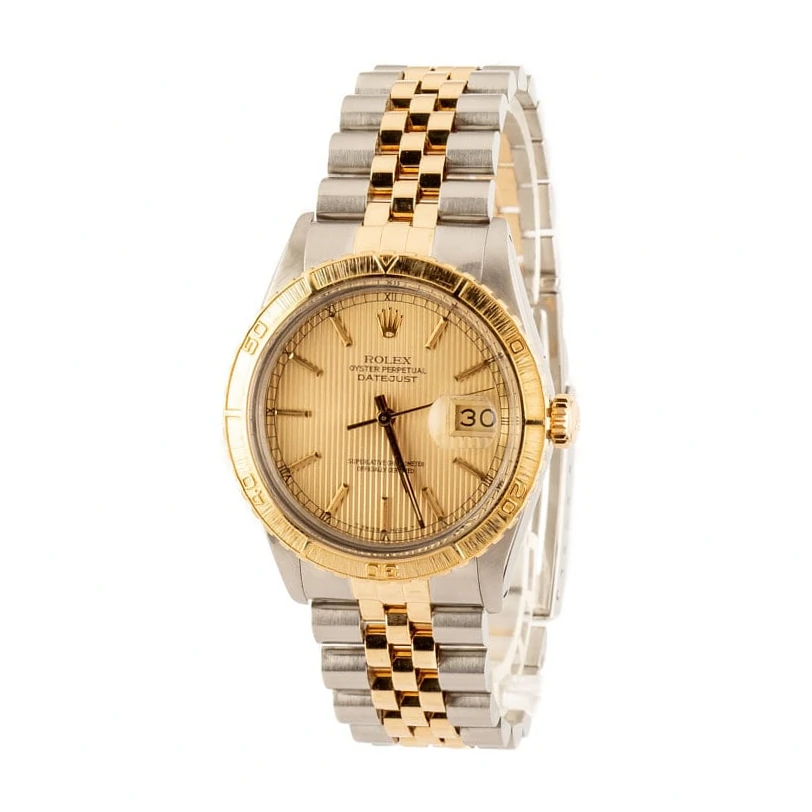
The Tangible Benefits of a Swiss Caliber
Precision, Reliability, and Longevity
Proven Accuracy: So, what’s the big deal with a real Swiss movement? First off, it’s super precise. A lot of the top-tier Swiss movements get tested by this independent group called COSC.
To earn chronometer status, a movement must perform within an average daily rate of -4/ 6 seconds per day in various positions and temperatures. That kind of consistency is way better than what you get from most uncertified or generic watch movements.
What this means for you is simple: you get a watch that tells accurate time, day in and day out, without you having to constantly fix it.
Durability and Serviceability: But it’s not just about being accurate. Swiss movements are also built to last. They use really good stuff—like phosphor bronze for the gears, tiny synthetic rubies to cut down on friction.
and special alloys that don’t get messed up by magnets or rust. The whole idea behind their design is to make them tough and easy to fix. If you take good care of it, a Swiss mechanical watch can easily become a family heirloom.
So you win twice: you have a tough watch for everyday wear, and it keeps its usefulness for a long, long time. Plus, there are authorized service centers all over the world that know exactly how to fix these specific movements. Getting it serviced is never a hassle, which is a huge plus for owners.
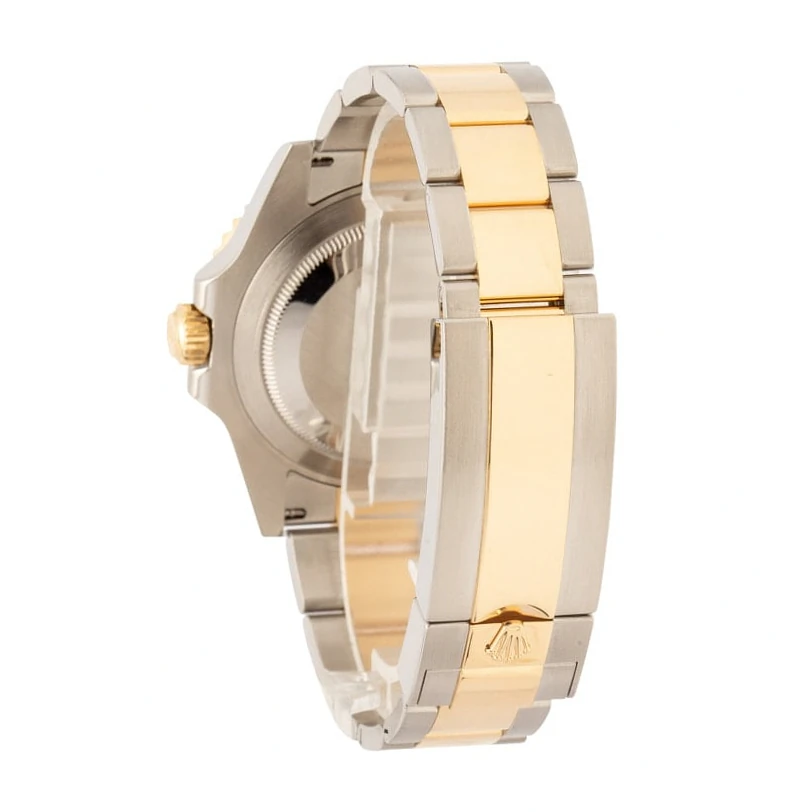
Investment in Craftsmanship and Value
Artisanal Value: Now, Swiss movements do cost more. That price tag comes from all the detailed handwork that goes into finishing and putting them together.
They use fancy techniques—like perlage (that’s circular graining), Côtes de Genève (those Geneva stripes), and anglage (beveling the edges)—on parts you might not even see. This isn’t just for looks.
It shows how carefully everything is assembled, how the gear teeth are polished to run smoothly, and how everything is finely tuned. You’re basically paying for hundreds of hours of skilled craftspersons time.
And you can feel that benefit in the way the second hand glides smoothly and how satisfying it feels when you wind the watch.
Resale Value Retention: On a practical note, watches with well-known Swiss movements tend to hold their value better over time. A study by WatchCharts looked at used watch sales from 2019 to 2023.
It found that after five years, watches with in-house Swiss movements kept, on average, 15-25% more of their original price than watches with non-Swiss mechanical movements.
So that’s another benefit: a Swiss movement watch isn’t just something you buy; it’s a smarter, more resilient piece for your collection.
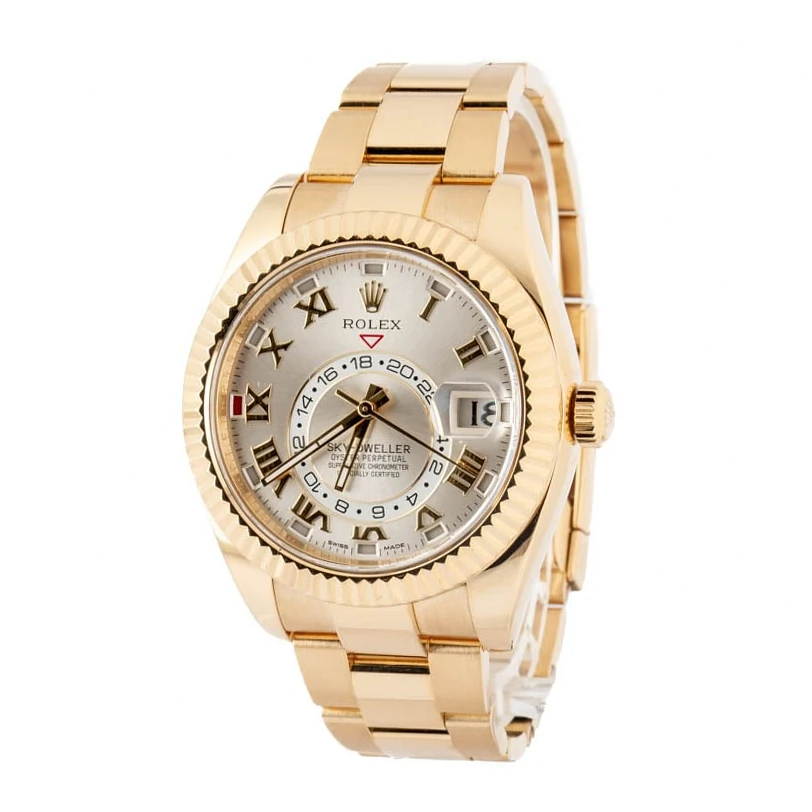
Let’s clearly compare Swiss movements with others.
Here are the key things that set them apart in performance.
To really get the benefits of a Swiss movement watch, it helps to compare them directly. Great Japanese movements, think Seiko or Miyota, are super reliable and great value.
But they usually focus more on how well they work, not so much on that traditional hand-finishing you see in Swiss ones. Cheaper, generic mechanical movements often have more stamped parts and simpler oiling systems. This can mean they aren’t as accurate over the long haul and need servicing more often.
| What we’re looking at | What you usually get with Swiss | A common, more generic option |
|---|---|---|
| How accurate they are set | Often COSC certified (-4/ 6 sec/day) | Factory adjusted (e.g., /- 20-30 sec/day) |
| How the important parts look and are made | Swiss movements have parts finished by hand, with beautiful polishing and patterns. | Generic ones are mostly machine-finished and don’t have that fancy decoration. |
| The materials in the critical timing parts | Swiss uses special alloys for the balance wheel, and modern ones even have silicon springs to resist magnetism. | Generic movements use standard metal alloys for these parts. |
| Getting it fixed or serviced | With Swiss, you have brand-authorized service centers all over the world. | For generic ones, service can be tricky, relying on a local watchmaker to find parts. |
So what does this mean in real life? It’s not just about which watch keeps good time right now. It’s about which one will still be ticking accurately ten years down the road.
The Swiss way is all about using top-notch materials, like anti-magnetic silicon, and building things to last. They’re designed to run for decades. I’ve worked on watches myself, and it’s amazing.
A well-cared-for Swiss movement from the 70s can often be tuned back to almost its original accuracy. That really shows you how solid the original design and build quality are.
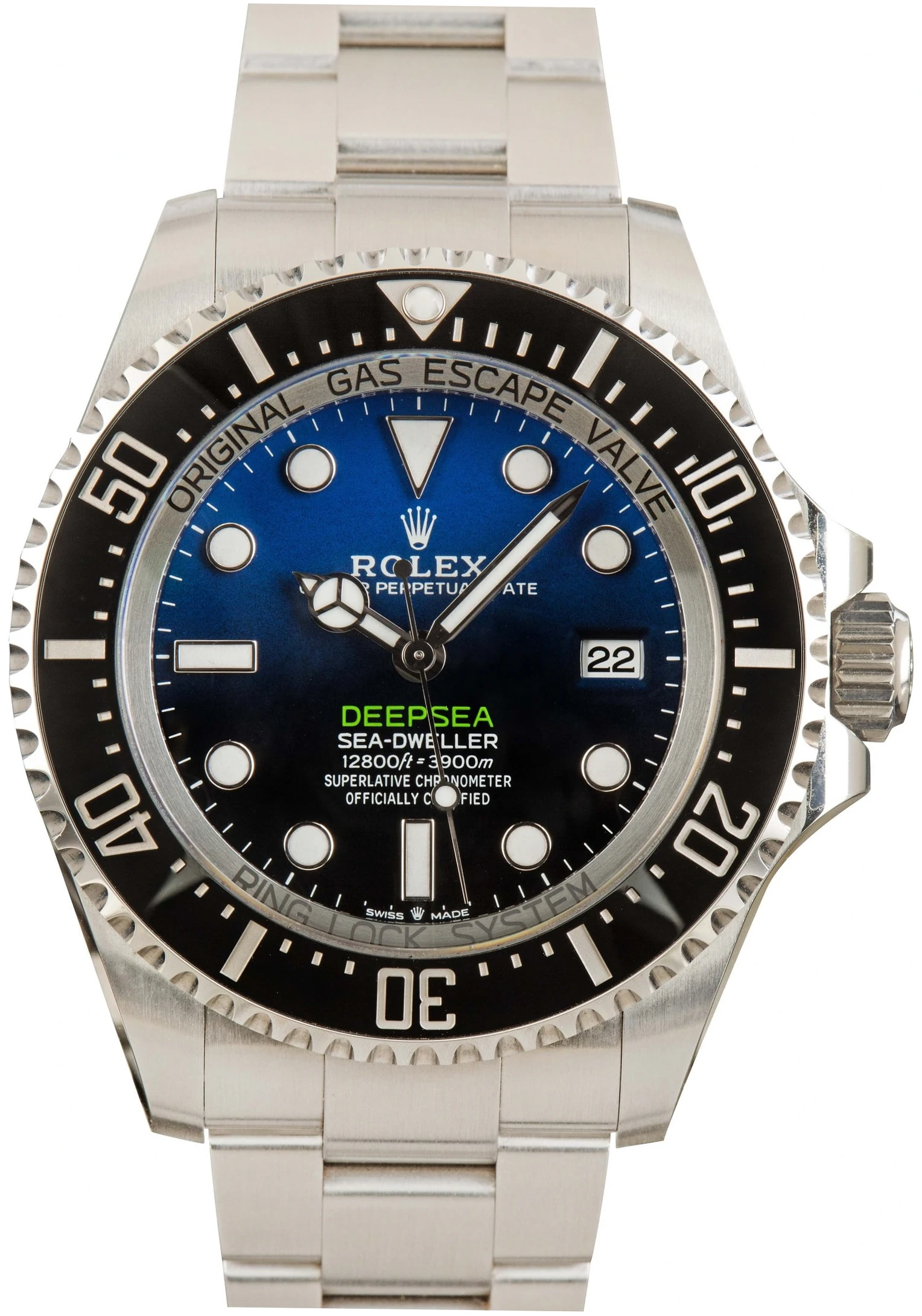
The Innovation Within Swiss Watchmaking
Modern Materials and Anti-Magnetism
Technological Advancements: Nowadays, Swiss movements bring you the latest tech and innovation. Big names like Omega, Rolex, and Patek Philippe are always pushing things forward.
Think Omega’s Master Chronometer, Rolex’s Parachrom hairsprings – they’re leading the charge. Take silicon hairsprings, for example. They’re used a lot now because they don’t get affected by magnets, handle temperature changes better.
and you don’t even need to oil them. This fixes a big old problem mechanical watches always had. The real benefit for you? Your watch keeps way better time around phones, laptops, or any magnets.
Case Study – Omega’s METAS Certification: Here’s a great example: Omega didn’t stop with the usual COSC test. They created their own tougher standard called METAS certification. METAS puts the whole finished watch through its paces.
It checks if it can resist crazy strong magnetic fields, how waterproof it is, and if the power reserve is spot on. And it really worked. After launching this tech and the METAS stamp, Omega sold a lot more luxury sports watches.
Why? Because they tackled a real issue people had – magnetism messing with their watch – and could prove their standard was top-notch.
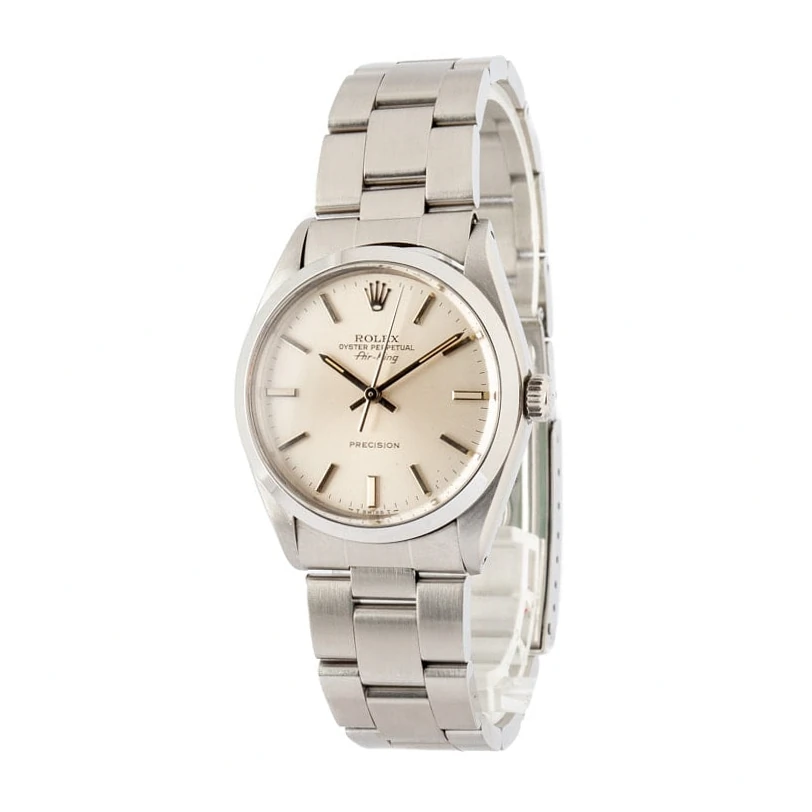
So, you’re looking to pick out a Swiss movement watch?
First things first, let’s figure out how to spot a real Swiss movement.
Here’s how to check if it’s the real deal, so you get all those Swiss movement benefits. Take a look at the watch face. You want to see Swiss Made for the whole watch, or just Swiss Movement for the engine inside.
Flip it over. The back might have a model number for the movement, something like ETA 2824-2 or Sellita SW200. Look that number up. Good sellers will give you all the specs. Watch out for tricky words like Swiss parts or Swiss designed.
Those don’t mean it has a true Swiss movement. For the official rules, you can check the public guidelines from Switzerland’s OFCOM. It’s a trustworthy source.
| What’s on the Watch | What It Usually Means | What It Means for You |
|---|---|---|
| Swiss Made | Movement is Swiss; watch is assembled/cased in Switzerland; 60% Swiss production cost. | This gives you the strongest guarantee it’s truly Swiss. |
| Swiss Movement | The inside engine is a legal Swiss movement, but the case might be made or put on somewhere else. | You still get that Swiss heart, often for a better price. |
| Swiss Parts | Just means some bits are from Switzerland. It could be assembled and checked somewhere else entirely. | This doesn’t promise a Swiss movement. You’ll need to dig deeper. |
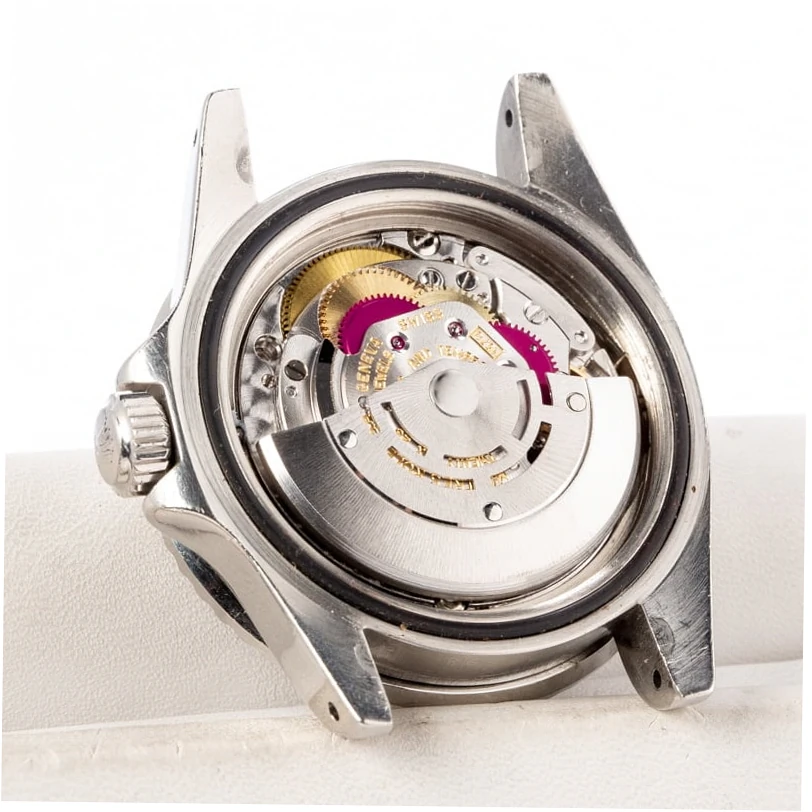
Now, let’s match the movement to how you live and what you want to spend.
Be practical. Pick a Swiss movement that fits what you actually need. If you’ll wear it every day, go for a tough, reliable automatic like a Sellita SW200 or ETA 2892.
For a sleek dress watch, a thin manual-wind movement, maybe based on a Piaget design, gives you that elegant look. If you’re watching your budget, check out microbrands that use certified Sellita movements.
You get Swiss performance without paying for a big, old brand name. Don’t forget, the movement is the heart, but the case, the strap, and the brand’s story all add to the value and how much you enjoy wearing it.
Here’s the thing, though: a Swiss movement isn’t a magic fix for everything. If the case is badly made, the watch might not be waterproof, even with a great movement inside.
A fancy, exclusive in-house movement can cost a lot more to fix later than a common ETA one. The real benefit comes when a great movement is paired with a well-built watch. They work together. Always look at the whole package, the warranty, and whether the brand is known for good customer service.
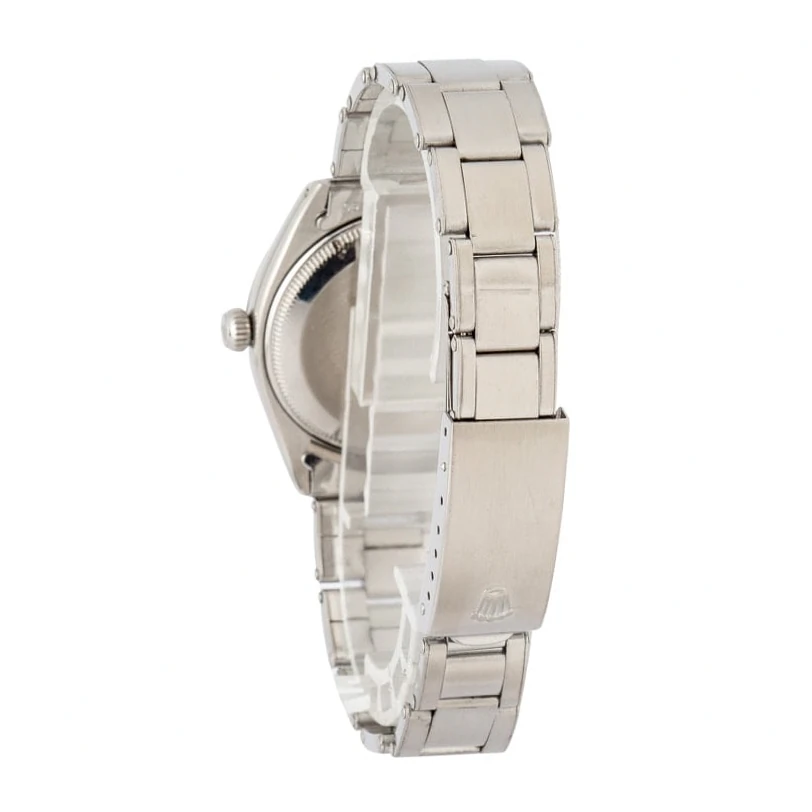
Conclusion and Final Thoughts
So, what’s the real deal with a Swiss movement watch? It’s all about three things coming together: that legally-tight precision.
old-school craftsmanship passed down through history, and clear-cut technical chops you can actually measure. The perks aren’t just talk; they’re real.
You get certified accuracy, it can handle daily bumps and magnetic fields, it’s built to last for decades, and it holds its value better. Basically, you’re investing in top-notch micro-engineering.
Sure, there are other great watches out there. But picking a Swiss movement? That’s a deliberate choice to own a slice of this lasting legacy.
Want to find specific models that match your style? Check out our handpicked guides on the best Swiss movement watches for any budget. You’ll discover the perfect watch to start or upgrade your collection.
Drop your thoughts or questions in the comments! What part of Swiss Watchmaking grabs your interest the most?
FAQ: Swiss Movement Watches
Is a Swiss movement watch always better than a Japanese one?
It’s not always better, just different. Take high-end Japanese movements, like those from Grand Seiko. They’re super precise and beautifully finished. Swiss movements, on the other hand, have their own perks.
They’ve got a long history with fancy decorative finishing, they’re easier to get serviced anywhere, and let’s be honest, the brand name carries a lot of weight. So, which is better for you?
It really comes down to what you like more: that classic European craft or cutting-edge tech from other places.
How can I tell if a Swiss movement is real?
First, look at the watch face for Swiss Made or Swiss Movement. Do a quick search on the brand and the movement’s caliber number. Always buy from authorized dealers. If the price looks too good to be true, it probably is.
Real Swiss movement watches cost a certain minimum. That’s because Swiss laws set rules about labor and parts costs, even for the cheaper brands.
Do all Swiss movement watches have the same quality?
Oh, not at all. The quality can be worlds apart. You’ve got everything from basic ETAs or Sellitas all the way up to the super fancy, in-house movements from top dogs like Patek Philippe or A. Lange Söhne.
Things like the finishing, how well it’s adjusted, the materials used (think regular vs. silicon hairsprings), and how long it runs on a wind—they’re all different. The Swiss label guarantees a basic standard.
But it’s the craftsmanship and extra polish beyond that baseline that really set the tier and the price tag.
Are Swiss automatic movements worth the higher cost?
If you care about keeping great time for years, the history, the handcrafted details, and how well it holds its value, then absolutely, yes. You’re paying more for good reasons: higher labor costs in Switzerland.
lots of hands-on assembly and finishing work, and all the research that goes into new materials. But if you just need a reliable, affordable watch to tell time, a quartz or a mechanical watch from somewhere else might do the trick.
A Swiss automatic is worth it when you see it as a future heirloom—a real mechanical marvel and a piece of art you can wear.


