

AAA vs Super Clone Watches: Spotting Key Differences?

You’re into replica watches, right? You keep hearing AAA and Super Clone all the time. It can get pretty confusing. Sure, both are top-tier fake luxury watches. But the difference is huge. It affects the price you pay and even how you feel about your purchase. This guide isn’t here to push fakes. It’s here to give you the facts. We’ll break down the big differences for you—the materials, how accurate the movement is, the build quality, and what you get for your money. This helps you see what you’re actually buying and the risks that come with this tricky market.
Table of Content
Let’s break down the tiers: AAA Grade versus Super Clone.
So, what’s an AAA quality replica watch?
Here’s the core idea: AAA is basically a marketing term in the replica watch world. It means a high-quality copy. You can think of it as the top-tier option that’s still made in large numbers. These AAA watches aim to look the part from afar.
They usually have decent stainless steel cases, mineral crystal glass (maybe with a sapphire coating), and reliable movements like Japanese Miyota or Seagull automatics.
The goal is simple: get a convincing look and basic functions without spending a fortune, usually between $200 and $500. But here’s the catch: the devil’s in the details.
A watch expert will spot the flaws fast—things like slightly off markers, weaker glow in the dark, or a rotor that rattles when you shake the watch.
Now, let’s talk Super Clones: these are the top of the replica game.
Here’s the deal: a Super Clone, or 1:1 Clone, is the absolute best you can get in replica engineering. These aren’t simple copies. They’re obsessive, super-detailed recreations.
Makers actually take apart real watches to copy every single part perfectly. They’re shooting for a near-perfect match, both in looks and how it works.
This level uses 904L stainless steel (the same stuff Rolex uses), real Swiss Sellita movements or cloned ETA ones, and perfect sapphire crystals with anti-glare coating.
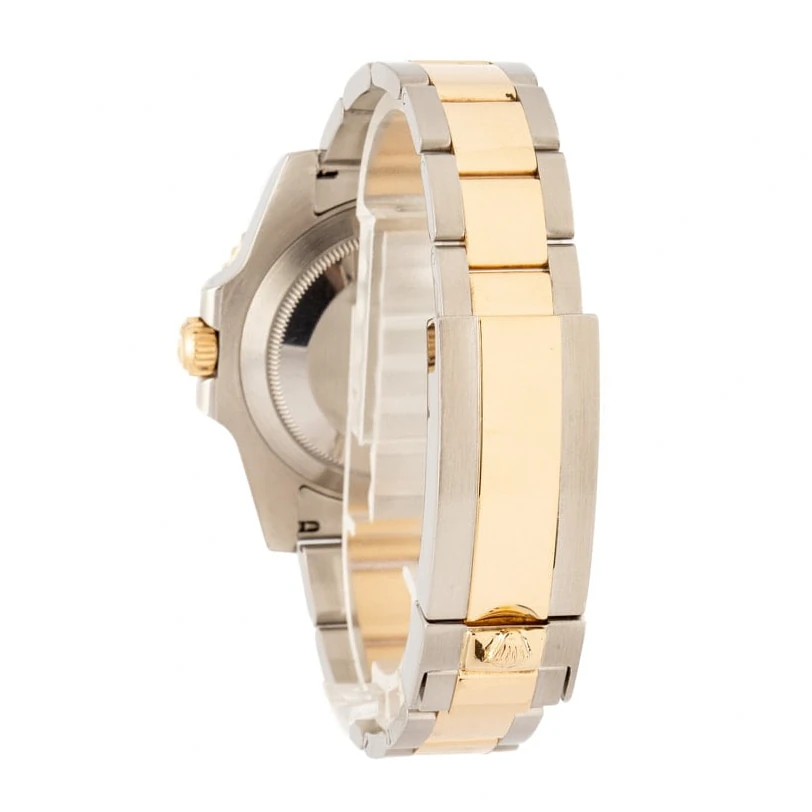
They even nail the weight, how the crown feels when you turn it, and how deep the engraving is on the clasp. Like one forum collector said, I needed a magnifying glass and had to put my super clone Submariner right next to a real one just to spot a tiny flaw in the engraving.
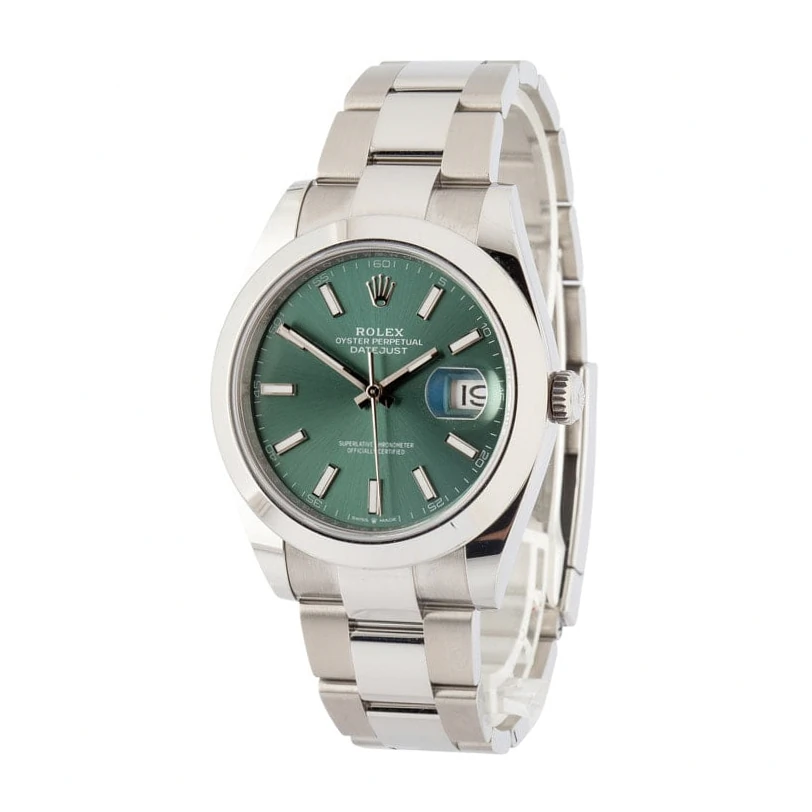
So, what’s the real difference? It all comes down to the materials and the movement.
Let’s break it down by looking at the case, the crystal, and the bracelet.
The materials are where you see a huge split in quality and price. AAA watches usually have 316L stainless steel. It’s decent, but it’s not the same as the 904L steel that Rolex uses.
That 904L stuff is better at resisting rust and has a bit more shine. Super clones, though, they insist on using that 904L steel. Then there’s the crystal. AAA watches might use mineral glass or a basic sapphire.
Super clones? They always go for the tough, scratch-resistant synthetic sapphire, and they add that anti-reflective coating too. The bracelet clasp is a dead giveaway. On AAA watches, the engraving can look off, and the clasp just doesn’t feel as smooth or solid when you close it.
| Part | What you get with AAA | What you get with a Super Clone |
|---|---|---|
| Case Material | 316L Stainless Steel | 904L Stainless Steel |
| Crystal | Mineral or basic sapphire | Synthetic sapphire with anti-reflective coating |
| Bracelet Feel | Okay, but sometimes the edges can feel sharp | Really good, finished just like the real thing |
| Water Resistance | 30 meters (just for splashes) | 100m (properly gasketed) |
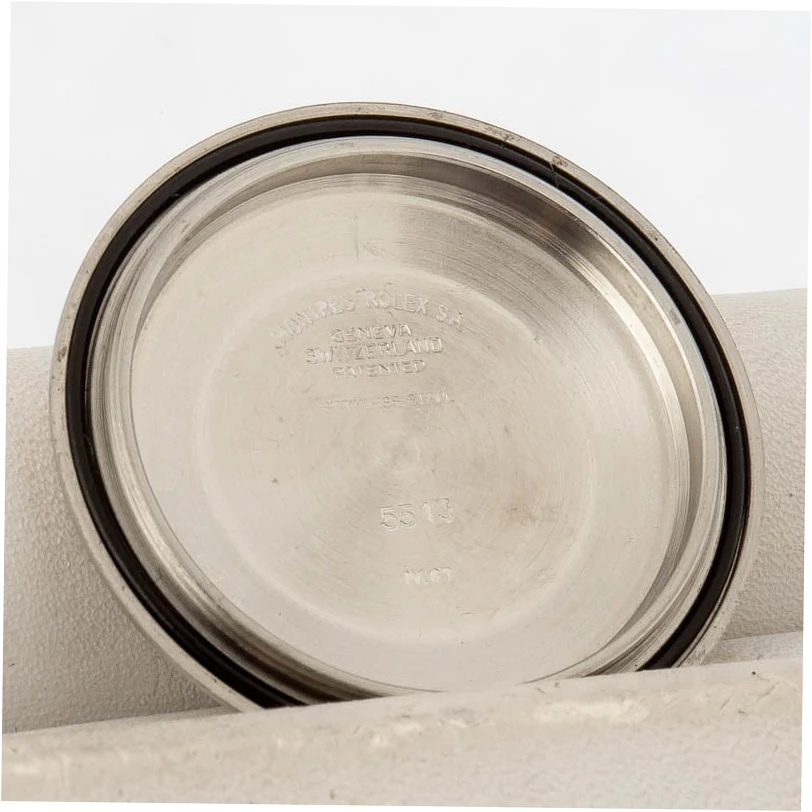
Now, the movement—that’s the watch’s heartbeat.
Let’s dive into the movement. This is the engine, and it’s the biggest thing separating these watches. AAA replicas usually have Chinese automatic movements, like the Seagull ST2130, which copies an ETA 2824, or maybe a Japanese Miyota.
They’re reliable workhorses and easy to fix, but they don’t have the nice finish, the smooth sweep, or the long power reserve you get with a real Swiss movement. Super clones take things way further.
They use high-beat Asian clones that copy every detail of the Swiss design—think of the VS3235 for Rolex clones. Sometimes, they’ll even use a modified real Swiss Sellita movement.
These movements copy the look of the balance wheel, the decorations, even which way the crown winds. Unless you open up the back, it’s almost impossible to tell them apart from the real deal.
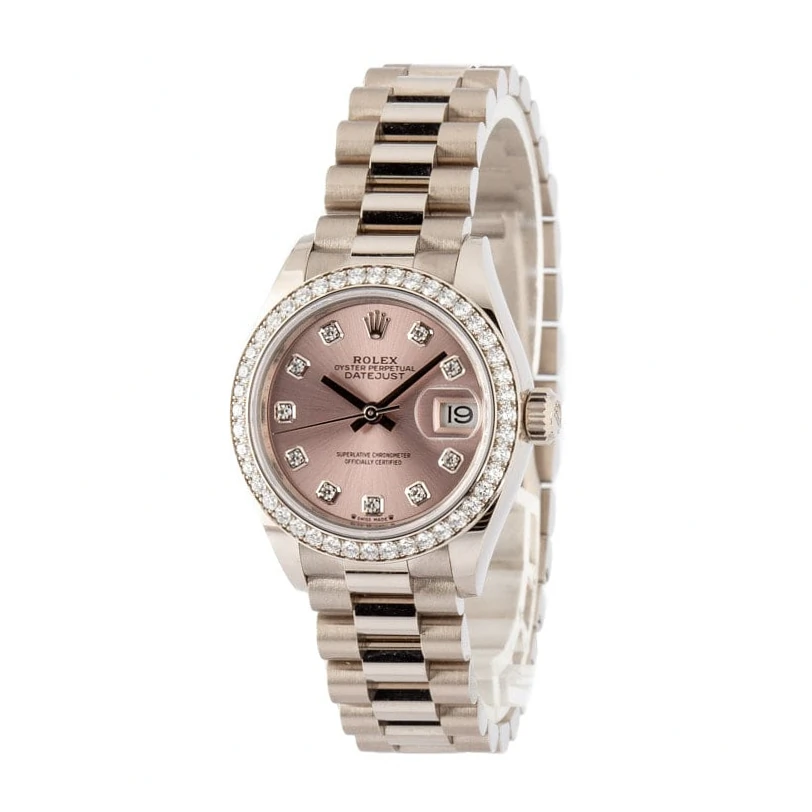
Let’s talk craftsmanship and detail—you know what they say, the devil’s in the details.
First up, the dial, hands, and that lume precision.
Take a close look at the dial, maybe with a magnifier. With AAA watches, the lume color can be a bit off—sometimes too green or blue. You might also spot tiny flaws in the printed markers, or a date wheel that sits crooked in its window.
Super clones go all out on this stuff. They hunt down lume pigment that perfectly matches the real deal, whether it’s a vintage or modern look. The printing is super sharp.
They even nail the date wheel font, the cyclops magnification, and how everything lines up—it’s a painstaking copy. A watchmaker who fixes both real and replica watches once told me, A recent super clone Daytona dial made me double-check my own parts. The quality was scarily good.
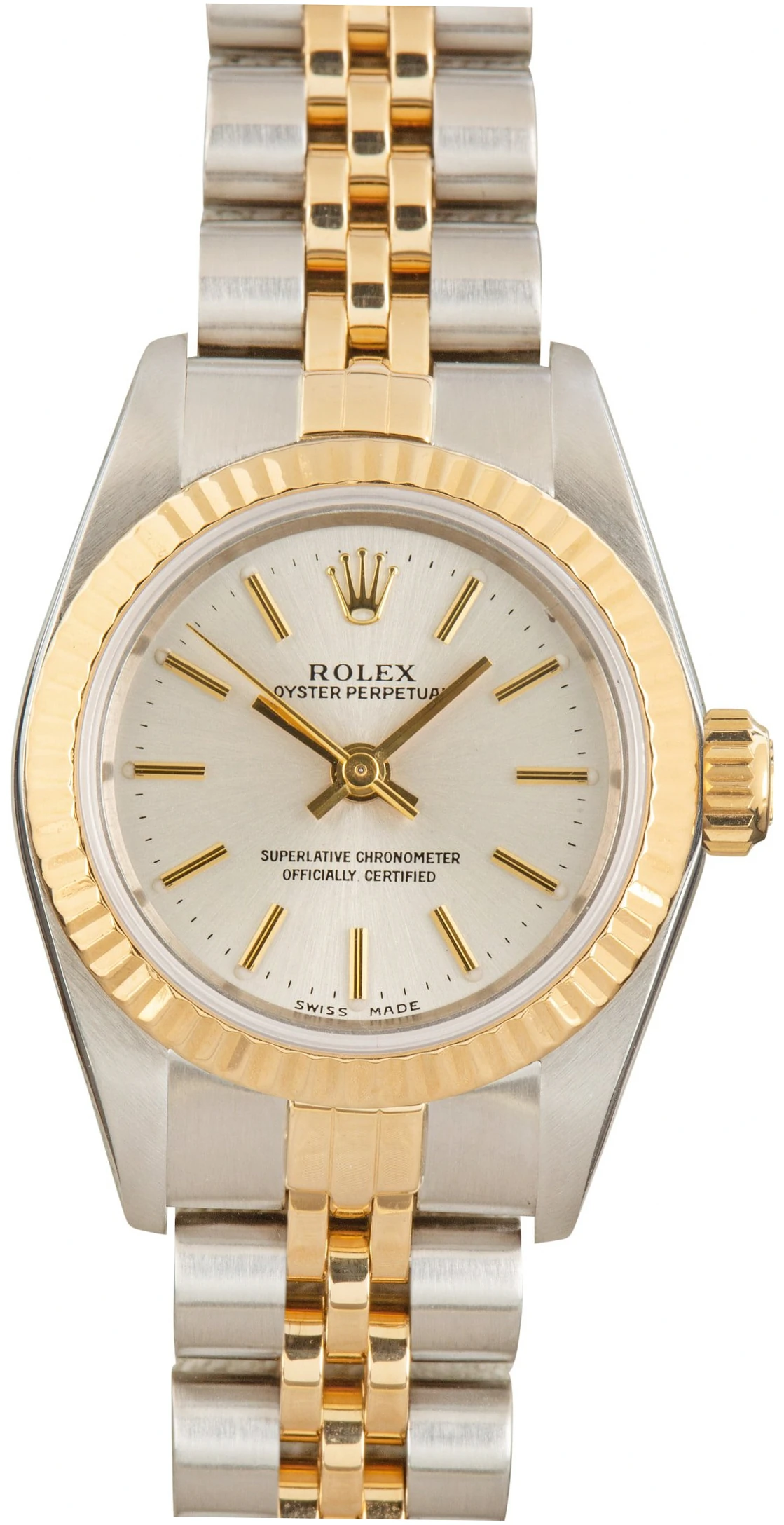
Next, consider the case shape, engravings, and weight.
How it feels and what it weighs matters. A real luxury watch has a certain heft and feel to it. AAA replicas often feel lighter. That’s because they might use less dense materials or have hollow links in the bracelet.
Super clones, though, get the weight spot on, gram for gram. They even laser-scan the original watch to copy the case shape and the curve of the lugs exactly.
The engravings on the back, the rehaut (that inner ring), and the clasp are deep, sharp, and in the right place. Serial and model numbers are usually randomized, just like the real ones. AAA models, on the other hand, might just use the same number over and over.
So, price and value—what exactly are you paying for?
Let’s break down the costs and where they sit in the market.
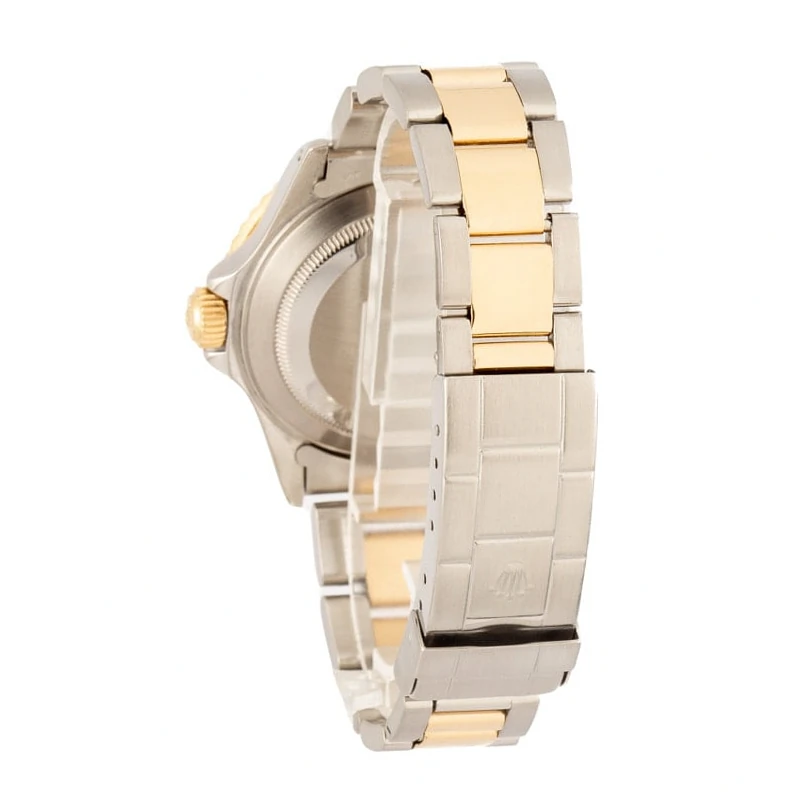
The price difference is huge and it tells you a lot. A popular Rolex AAA replica could set you back $300 to $600. But a super clone of the same watch, from top factories like Clean, VS, or APSF, can run you $600 to over $1,200.
especially if it has a copied complex movement inside. That higher price tag covers all the research, better materials, and careful assembly. You’re not just buying the look.
You’re paying for an experience that feels really close to handling the real watch. But here’s the key thing to remember: even a $1,200 super clone is still a fake. It has none of the brand’s real value and comes with no warranty from the original maker.
| Aspect | AAA Grade | Super Clone |
|---|---|---|
| Price Range | $200 – $600 | $600 – $1,500 |
| Value Proposition | Affordable visual approximation | Premium experiential replication |
| Resale Value | Very low, depreciates quickly | Holds some value within replica community |
| Risk Factor | Higher risk of quick failure | Lower mechanical risk, but high financial outlay |
Now, we can’t avoid the legal and ethical stuff—it’s part of the deal.
There are risks with intellectual property and just buying the thing.
Legally speaking, making and selling replica watches breaks trademark and copyright laws. Buying them is often in a legal gray area for you, but it still supports an illegal business. Plus, the whole transaction is risky.
You’re dealing with sellers who aren’t regulated, usually through encrypted chat apps. There’s no consumer protection, no warranty, no guarantees at all.
On forums, you often hear stories about people getting a watch worse than the pictures (a classic bait and switch) or just losing all their money. One buyer said, I paid for a super clone, but they sent me a mid-tier AAA. The seller disappeared as soon as I sent photos pointing out the flaws.
Then there’s the ethical dilemma and what the watch community thinks.
Among watch enthusiasts, replicas are a really divisive topic. Some see them as a way to enjoy the design without the crazy price tag or long waitlists. Others think they hurt the real brands innovation and craftsmanship.
Most people agree that trying to pass a replica off as real is just fraud. The general rule among clued-in collectors is this: if you buy a replica, know it’s a replica.
Appreciate its own engineering, and never pretend it’s the real thing. The ethics of buying one is a personal choice. It’s about more than just cost and looks.
Here’s your checklist for making a smart buying decision.
So, how do you check the quality before handing over your cash?
First things first, do your homework. Knowing your stuff is your best protection if you decide to go ahead. Start by researching the exact watch model. Find out which factory, like Clean Factory for Rolex GMTs, makes the top-tier super clone.
Next, never skip asking for QC photos. Get clear, high-res pictures of the actual watch they’re going to send you. In those photos, look closely at the dial alignment, if the date is centered, how the bezel moves, and the engravings on the case.
Then, compare what you see with photos of the real, genuine watch. Third, stick with sellers the community trusts, the ones with a solid, long-term rep. But remember, even that’s not a 100% guarantee. Seriously, don’t ever skip checking those QC photos.
Now, let’s talk about what it’s like to own one long-term, especially the servicing and reliability part.
Here’s the real deal: even the best super clones aren’t as tough as the real thing. The cloned movements inside are cool, sure, but they can be a bit finicky.
They might keep time differently depending on their position and need a service much earlier. You’ll need to find a local watchmaker who’s okay with working on replicas, and a lot of them aren’t.
Getting a cloned movement serviced can run you $150 to $300. That adds a big chunk to what you’ve already paid. On the other hand, with a cheaper AAA watch, it’s often simpler and cheaper to just swap out the whole movement.
So, you’ve got to factor that hidden cost in. Think of a super clone more like a complex toy for enthusiasts. It’s not the same as a worry-free, beat-it-up-everyday genuine tool watch.
Conclusion and Final Verdict
So, picking between an AAA watch and a super clone really comes down to what matters more to you and how much you want to spend.
An AAA watch gets you the luxury look without spending much, but you’ll notice it’s not as detailed and won’t last as long. A super clone, on the other hand, copies the real thing incredibly well and feels great, but it costs a lot more.
Just remember, it’s still a fake watch. That means you’re dealing with legal issues, it’s not exactly ethical, and there are practical risks too. Here’s the thing: neither one is a good investment.
Plus, buying either type puts you in a bit of a legal gray area. Most real watch lovers end up valuing the real deal—the genuine engineering, the history behind the brand, and supporting actual craftsmanship.
Ready to Dive Deeper?
There’s a lot to unpack with replica watch grades, comparing factories, and breaking down movements. Ever had a surprise with either tier of watch?
Drop your story or question in the comments! Want to see a super clone next to the real deal? Head to our site for our photo series. We put specific models side-by-side for a detailed, visual look.
Alright, let’s talk about the differences between AAA and super clone watches.
So, can a super clone fool a watchmaker?
Maybe from far away or just wearing it. But get it up close, and a pro watchmaker will spot it. Open up the back, and it’s game over for sure. The outside might look spot-on. But inside, the movement’s finish, the markings on parts, and little technical details give it away to an expert.
Here’s the big question: is a super clone better than a real, affordable watch?
That really comes down to what you value. For the price of a super clone ($1,000 ), you can purchase genuine, high-quality timepieces from brands like Tissot, Seiko, or Hamilton.
You get original designs, real brand history, a warranty, and it’ll actually be worth something later. You won’t find any of that with a replica.
What usually gives away a AAA replica?
The bracelet and clasp often feel cheap or have bad engravings. The lume color and how it’s applied can be off. And that little date magnifier (the cyclops) usually has the wrong strength.
You might also hear the rotor whirring loudly inside, and the whole watch might feel too light or too heavy compared to the real deal or even a super clone.
Okay, but how do you actually find a trustworthy seller for a super clone?
You’ve gotta do your homework. Spend time on the big replica watch forums, like RWI or RepGeek. Those places have lists of Trusted Dealers, or TDs. They’re vetted by the community over years of sales and reviews.
Don’t just buy from some seller you saw in a social media ad. Always check their rep on those forums first.


