

Which Swiss Automatic Movements Top the List?

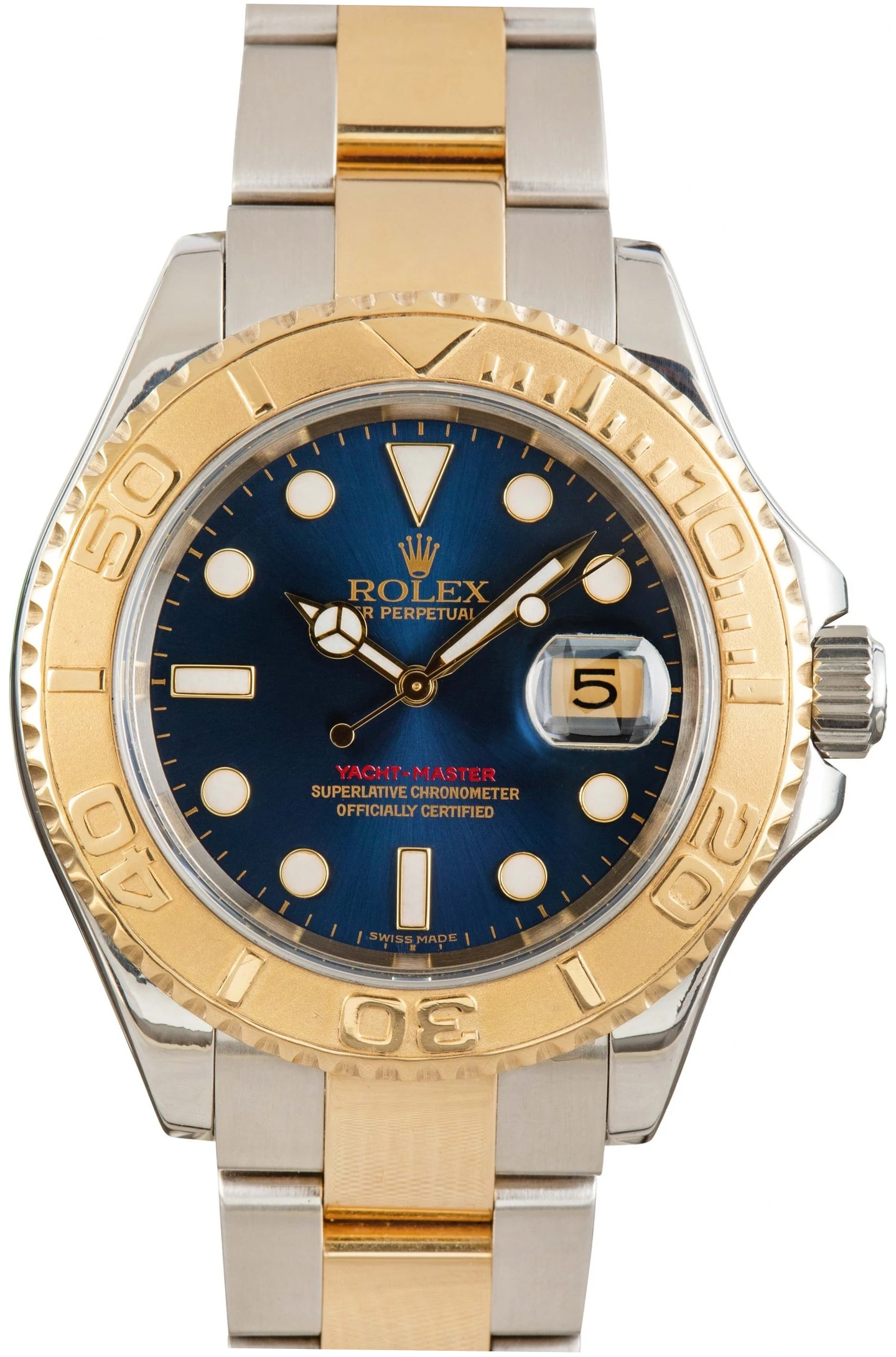
If you’re into watches, finding that perfect one usually starts by looking under the dial. That’s where you find its heart—the movement. So, when we’re picking the best Swiss automatic watch movements, it’s more than just parts. We’re really looking at years of watchmaking history, incredible engineering, and the cool innovations that make luxury watches what they are. This guide gets straight to the point. We’ll highlight the calibers that everyone keeps talking about—the ones known for being super reliable, beautifully made, and technically brilliant. It’ll help you see what makes a movement a real legend.
Here’s what we’ll cover:
- First up, what makes a Swiss automatic movement excellent?
- Then, we’ll check out the icons—the most legendary Swiss automatic calibers.
- Next, we’ll go beyond the famous names to find some underrated gems.
- Finally, we’ll help you build your own personal top list of the best Swiss automatic watch movements.
- And we’ll wrap it up with some FAQs about Swiss automatic movements.
So, what makes a Swiss automatic movement truly excellent?
Let’s talk about the key things that make a movement top-tier.
How do you tell a good movement from a great one? It’s all about performance benchmarks. We look at a few key, measurable factors to figure that out. First is precision.
often certified by independent bodies like COSC (Contrôle Officiel Suisse des Chronomètres), which requires a daily rate between -4 and 6 seconds. Next is power reserve.
modern standards expect at least 70 hours, with leaders like the Rolex Caliber 3235 offering 70 and the Patek Philippe 26-330 S C reaching up to 45-55 hours.
Finally, you’ve got to think about how tough it is, its anti-magnetic features—silicon parts help a lot here—and of course, the finishing quality. We’re talking details like perlage, Geneva stripes, and nice beveled edges.
The best Swiss watch movements nail a tricky balance: honoring heritage while pushing innovation. Take the Omega Co-Axial Caliber 8900. It’s a perfect example.
It takes George Daniels game-changing co-axial escapement and builds on it to cut down friction and boost accuracy for the long haul. On the other hand, you have legends like Patek Philippe.
They keep their status by constantly tweaking and improving their iconic calibers. Just look at the chronograph-winding setup in their CH 28-520 movement. This mix makes sure a movement isn’t just a piece of history, but also totally up-to-date tech-wise.
Now, let’s get into how a movement is built and finished.
Inside the machine, the architecture—how everything’s laid out, fits together, and if it’s modular—really affects how easy it is to service and how well it performs.
A well-designed caliber, think the Jaeger-LeCoultre Caliber 925/1 in the Reverso, usually ends up being thinner and way more reliable. And the finishing? Sure, it looks good, but it’s also a huge sign of quality.
We’re talking high-end finishes here: anglage (that’s fancy beveling), perlage (circular graining), and those classic Geneva stripes. These jobs are mostly done by hand, taking hundreds of hours.
They’re the telltale sign of movements from top-tier brands like A. Lange Söhne—okay, they’re German—and the best Swiss makers.
Let’s talk about the icons, the legendary Swiss automatic calibers.
First up are the real workhorses, the champions of reliability.
Some movements are the rock-solid foundation. They’ve earned everyone’s respect because they’re tough and used everywhere. The ETA 2824-2 and its sibling, the 2892-A2, are perfect examples of this.
You’ll find them in thousands of watches, from Tissot all the way to Tudor. People love them for being tough, easy to fix, and having a great track record. Then there’s Sellita’s SW200-1.
It’s almost the same and came about after ETA got stingy with supply. It carries on the same reliable legacy. They might not always look fancy, but their rock-solid reliability makes them a must-have on any best Swiss automatic watch movement list.
| Movement | Brand/Origin | Jewels | Power Reserve | Notable Features |
|---|---|---|---|---|
| ETA 2824-2 | ETA/ Swatch Group | 25 | ~38 hours | Robust, high beat (28,800 vph), widely serviced |
| ETA 2892-A2 | ETA/ Swatch Group | 21 | ~42 hours | Slimmer profile, used as base for complex modules |
| Sellita SW200-1 | Sellita | 26 | ~38 hours | Direct alternative to ETA 2824-2, high compatibility |
Next, we have the in-house masterpieces.
For many watch fans, the top of the mountain is the in-house movement. That’s the peak of a brand’s own engineering. These are calibers that one brand designs, makes, and puts together all by itself. Take the Rolex Caliber 3235.
With its Chronergy escapement and Paraflex shocks, it sets the standard for how precise and tough a sports watch movement should be. Omega’s Master Chronometer calibers, like the 8800 or 8900, get METAS certified.
This guarantees they’ll work perfectly even in crazy strong magnetic fields up to 15,000 gauss. These movements show off a brand’s huge R D spending and are a big part of what makes them special.
Now for the innovators and specialists, the ones pushing the technical limits.
First, let’s look at anti-magnetism and silicon tech.
A huge leap in modern Swiss movements is using silicon parts to fight off modern hazards. Brands like Ulysse Nardin were the pioneers, starting this back in the 2000s.
Silicon hairsprings and escapements don’t care about magnets, they have less friction, and you never need to oil them. Omega uses this tech in all its Master Chronometer movements, something they talk about all the time.
This anti-magnetism focus solves a real problem people actually face. So even with all the advanced tech, these movements are super practical.
Then there’s the quest for long power reserves and efficient systems.
Everyone wants a watch that lasts beyond the weekend. That desire has sparked some really clever engineering. Panerai’s P.9000 series movements give you a 3-day (72-hour) reserve, which is perfect if you like to rotate your watches.
The zenith, however, is seen in calibers like the Patek Philippe 240 with its ultra-thin micro-rotor, or the innovative mechanisms from brands like H. Moser Cie., which can achieve 7 days.
These systems often use twin barrels, super-efficient gear trains, and low-energy escapements. They really show off how beautifully a movement can handle its energy.
| Movement | Brand | Power Reserve | Key Innovation |
|---|---|---|---|
| Caliber 32110 | IWC | 72 hours | Pellaton automatic winding system, robust construction |
| Caliber L951.7 | A. Lange Söhne | 60 hours | Precision German engineering, hand-finished (for context) |
| P.9000 | Panerai | 72 hours | Dual-barrel design, designed for instrument-like reliability |
Okay, so how do you choose? Here’s a practical guide for buyers.
First, match the movement to your watch style and how you’ll use it.
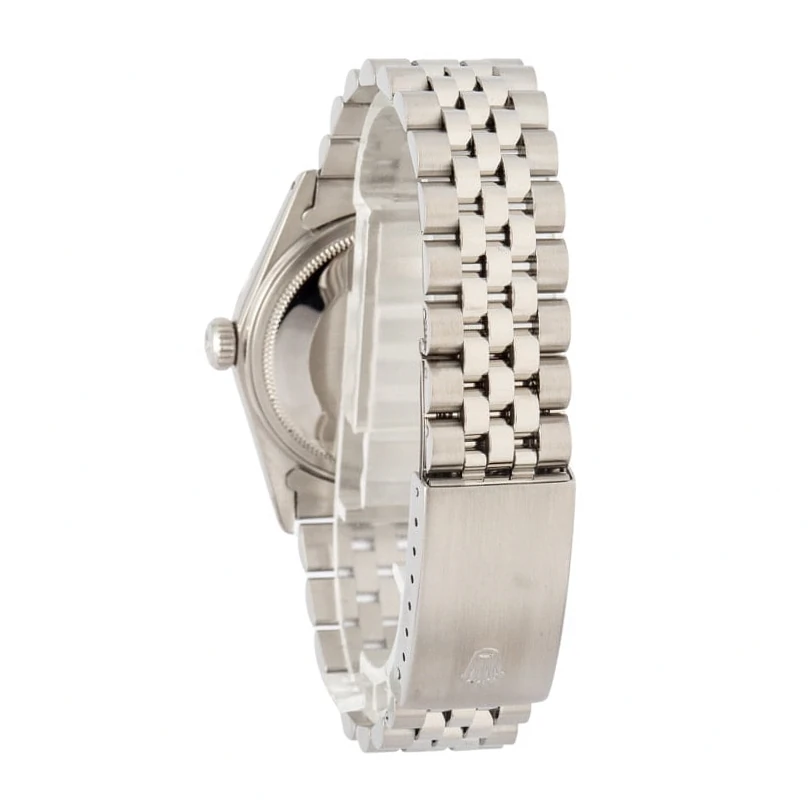
It’s all about practical pairing. Let your lifestyle guide your choice. For a sports watch you’ll wear daily, go for toughness and anti-magnetism. A Rolex 32xx series or an Omega Co-Axial Master Chronometer is your best bet.
For a dress watch, think thin and finely finished. Something like a Piaget ultra-thin automatic or the Patek Philippe 324. If you’re a history-loving collector, pick a movement with a great story.
The Valjoux/ETA 7750 chronograph base has loads of character. Don’t just buy the brand name. Buy the engineering that fits your life.
Also, think about serviceability and long-term value.
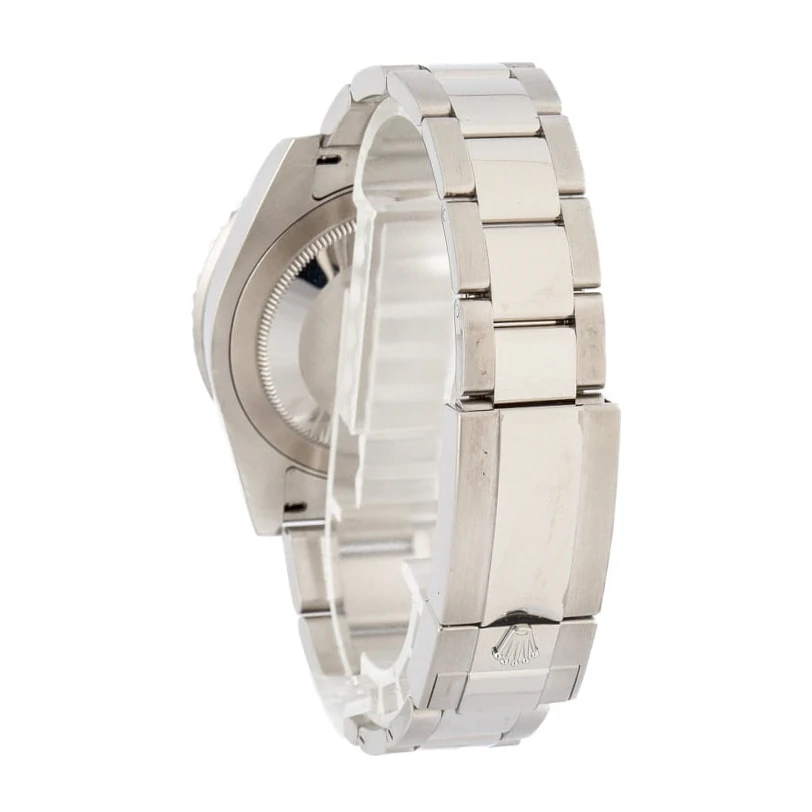
Here’s the real cost of ownership: long-term maintenance, a factor lots of people miss. Common calibers like the ETA or Sellita family are cheap and easy to get serviced fast because every watchmaker knows them.
But a rare, complex in-house movement, like a Roger Dubuis double tourbillon, might need to go back to the factory. That costs a lot and takes ages. A 2022 report from the Foundation of High Horology says servicing those fancy in-house calibers can cost 3 to 5 times more over ten years than standard ones. That really hits your total cost of owning the watch and affects its resale value too.
Let’s look beyond the famous brands and check out some hidden gems.
First up are calibers from independent and niche manufacturers.
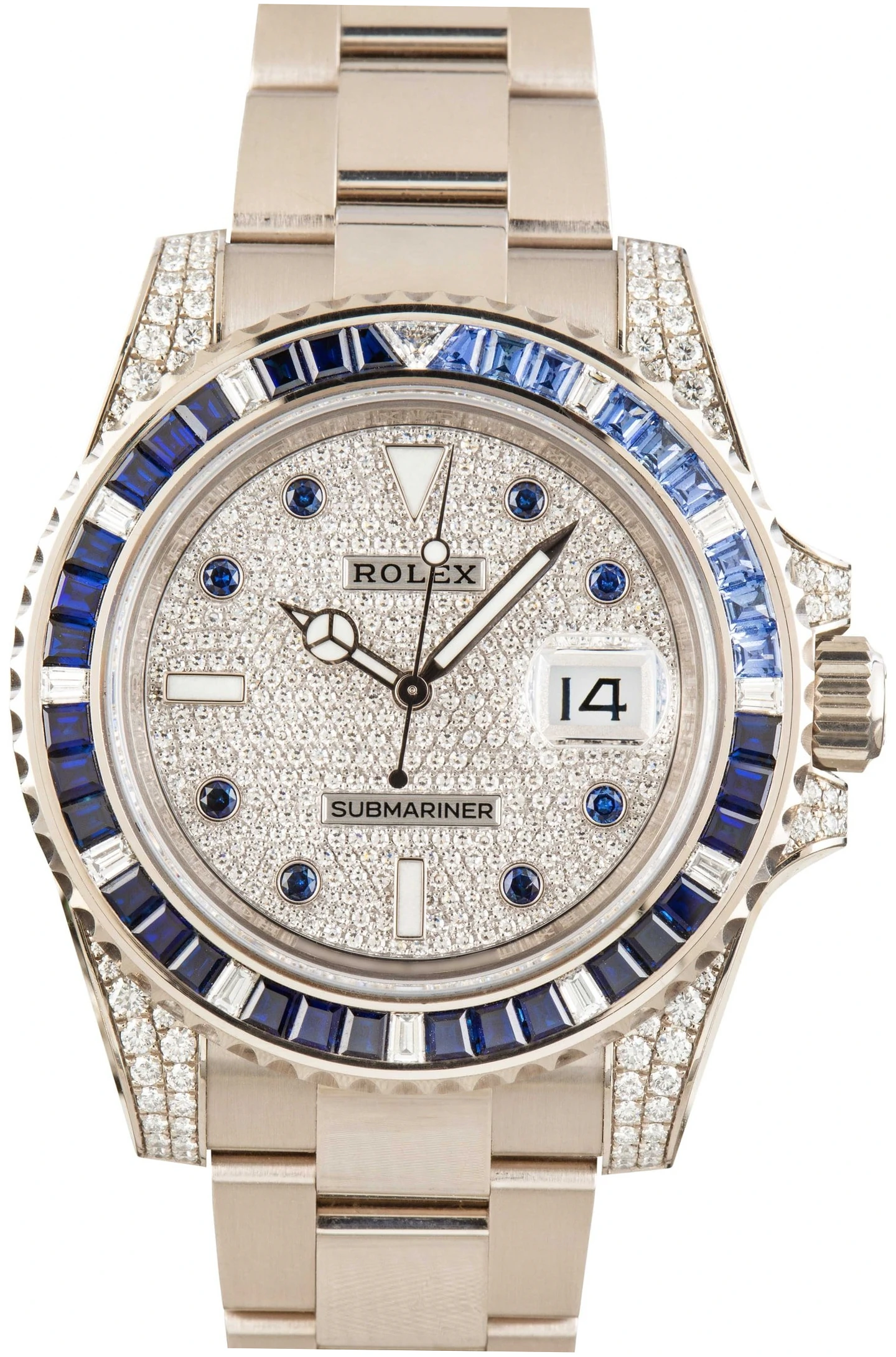
Switzerland is full of amazing independent watchmakers. They create exceptional movements in small batches. Take brands like Laurent Ferrier and their natural escapement, or Grönefeld with the 1941 Remontoire.
They make movements that are true works of art. You’ll find unique designs, incredible hand-finishing that beats the big names, and clever fixes for watchmaking problems. They might not top sales charts, but for true fans, these are the peak of automatic watch creativity and are really sought after.
Next, let’s talk about how classic base movements have evolved.
Here’s the secret: lots of great watches start with a base movement that gets expertly tweaked. Brands like Tudor, Breitling, and even high-end ones like Parmigiani Fleurier take existing movement designs and make them much better.
For example, Tudor’s MT5612 movement is related to Breitling’s B01. But Tudor refined it for their own needs, giving it COSC certification and a 70-hour power reserve. This way, you get the reliability of a proven design, plus custom performance upgrades.
The Verdict: Building Your Personal Top List
Synthesizing the Information
So, how do you make your choice? Well, putting together your own top list of Swiss automatic watch movements is really up to you. You gotta think about what’s important to you. Is it raw precision or historical charm?
Easy servicing or exotic artistry? Cutting-edge tech or timeless design? Just use the criteria we talked about—like precision, power reserve, anti-magnetism, finishing, and service network—as your personal scorecard.
Here’s the thing: the best movement for your list is the one that fits the watch you’ll actually enjoy wearing for years.
Here are my final picks. If you want a great all-rounder, you can’t go wrong with the modern reliability of a Rolex 32xx or an Omega Master Chronometer movement. Looking for value and proven mechanics?
Watches with top-grade ETA or Sellita movements are a really smart buy. And for collectors who want something truly special, the creations from independent watchmakers offer beauty and depth you won’t find anywhere else.
Each type of movement on this best Swiss automatic watch movement list has its own job, but they all live up to the famous standard of Swiss self-winding tech.
Ultimately, hunting for the best automatic movements means really getting into the heart of mechanical watchmaking. From common workhorse movements to exclusive manufacture masterpieces, every single caliber has its own story—about innovation.
craftsmanship, and what it’s meant to do. When you understand what’s ticking inside, you can make a choice you’re really excited about. It turns a simple buy into a lifelong partnership with a piece of horology.
So, now that you’ve checked out all the contenders, which movement on this best Swiss automatic watch movement list really clicks with your personal watch philosophy? Drop your top pick or a question in the comments!
Or, if you want to dig even deeper, check out our detailed caliber comparisons to spark your next watch discovery.
Here are some common questions about Swiss automatic watch movements.
So, what’s the most reliable Swiss automatic movement out there?
It’s tough to pick just one, but the ETA 2824-2 and its versions are famous for being super reliable. It came out in the 70s. Its design is simple and tough, it ticks fast, and it’s easy to fix.
That’s why it’s become the go-to workhorse for Swiss watches. Since so many watches use it, pretty much any watchmaker can work on it, and finding parts is a breeze.
If we’re talking modern in-house movements, Rolex’s 31xx and 32xx series are legendary. They’re incredibly tough and keep great time for decades. You see them in all their professional watches, which says a lot.
Is a brand’s own in-house movement always better than a tweaked ETA or Sellita one?
Not really. It all comes down to what you’re looking for. An in-house movement might give you cool tech, nicer finishing, and that brand-name bragging rights.
But a really well-modified and finished ETA or Sellita movement—think brands like IWC or Breitling use them—can be just as accurate and reliable. Plus, getting it serviced is often cheaper.
The real deal is how much it’s been improved and how well it’s made, not just where the basic movement came from.
How much does a long power reserve matter in an automatic watch?
It’s actually a really handy feature. If the reserve is under 40 hours and you take it off Friday night, it’ll probably be dead by Sunday. A reserve of 70 hours (about 3 days) allows for weekend rotation without resetting.
However, very long reserves (5 days) often require larger mainspring barrels, which can increase the movement’s thickness. For most people, 70 to 80 hours is the perfect balance. It’s practical without making the watch too chunky.
What’s the deal with COSC certification on a movement?
COSC is the official Swiss testing lab that checks how accurate a watch movement is. To earn chronometer certification, an uncased movement must run within an average daily rate of -4/ 6 seconds per day across several tests in different positions and temperatures. It’s a tough standard to meet, so it means solid precision. Just a heads up, though. Some brands go even further. Omega, for example, has its own METAS tests. They check the whole cased watch for things like magnetism, which is even stricter.


