

Which Affordable Mechanical Watch Suits Beginners Best?

Getting into watches doesn’t have to cost a fortune. If you’re new to this and looking for your first automatic watch, finding the best inexpensive mechanical watch for beginners is key. You want that perfect mix: good quality, reliable performance, and a price that’s easy on your wallet. This guide is for you, the beginner watch lover. You want to try out a self-winding watch, but you don’t want to spend too much. We’ll skip the complicated terms and point out what really matters. We’ll talk about the movement, water resistance, and other key features. This way, you can pick a great watch that might just start a lifelong hobby.
Table of Content
So, what does inexpensive even mean when we’re talking about mechanical watches?
Let’s talk price ranges for your first watch.
First things first, let’s be realistic. For a beginner’s mechanical watch, inexpensive usually means somewhere between a hundred and five hundred bucks. That price range is a total sweet spot for newbies.
You can get really solid watches from good brands. If you spend under two hundred, you’ll often find reliable Japanese movements from Seiko or Citizen’s Miyota. The value here is fantastic.
Step up to the three to five hundred dollar range, and things get nicer. You’ll see better finishing, scratch-resistant sapphire crystals, and maybe even some Swiss parts. It’s a big jump in quality without breaking the bank for your first buy.
It’s not just about the price tag, it’s about what you get for your money.
Here’s the key difference: a cheap watch’s real cost isn’t the number on the sticker. It’s the value you’re getting. Take a watch for around one-fifty.
If it has a tough mineral crystal, 100 meters of water resistance, and a trusted Seiko NH35 movement inside, that’s amazing value. Your money is going towards the clever engineering of the self-winding movement.
the materials used, and the brand’s track record for making stuff that lasts. Steer clear of those super cheap, no-name automatics from shady websites. They usually have untested movements that won’t last long. That’ll just make your first dive into watches a real headache.
Now, let’s look at some of the top picks for the best budget mechanical watches for beginners.
First up, field watches and everyday wearers.
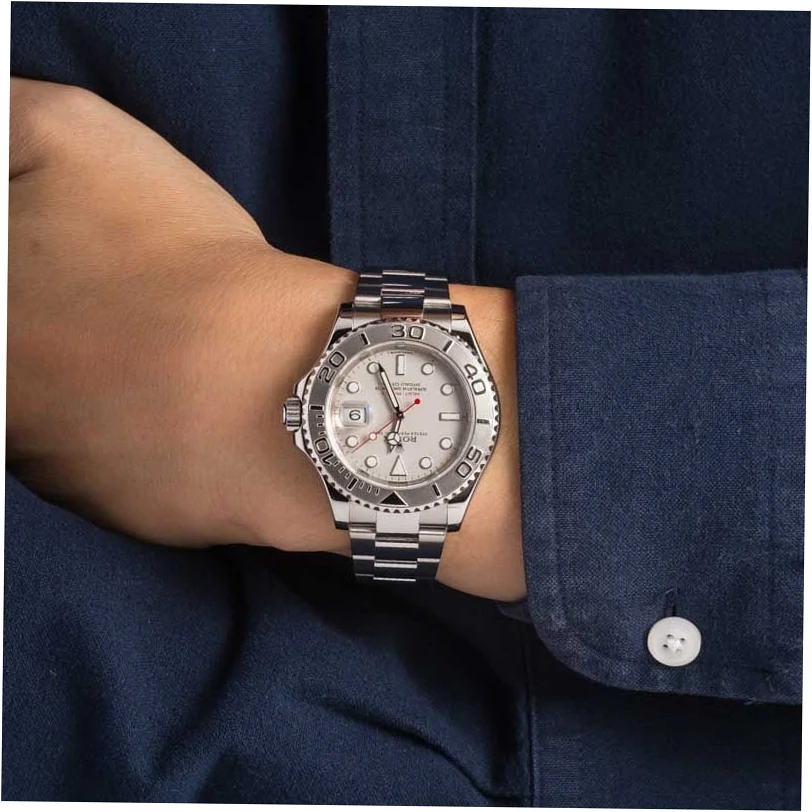
My top pick? For a tough, do-anything first watch, you can’t go wrong with a field watch. The Seiko 5 Sports line, like the SRPD models, is a legendary choice to start with.
You get Seiko’s own automatic movement, a day-date window, and a solid stainless steel case. And all that for well under three hundred dollars. Another great option is the Orient Bambino.
It’s more of a dress watch, but it punches way above its price with a classic look and a reliable movement. Want more of a tool-watch vibe? Check out the Timex Marlin Automatic. It has a clean, vintage style, a modern Japanese automatic movement, and it’s very affordable.
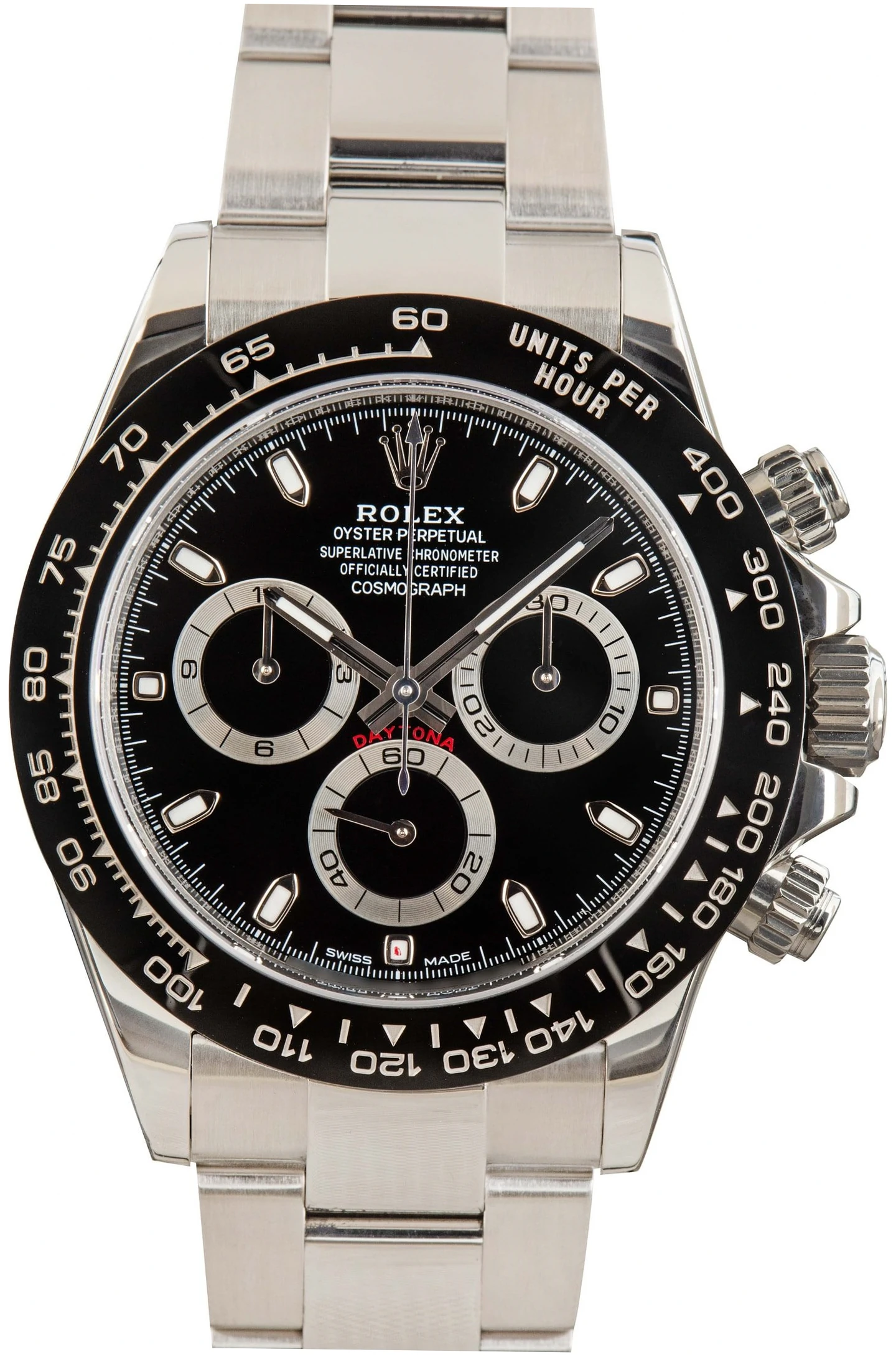
Love the diver look but on a budget? No problem.
The classic diver watch look is super popular. Luckily, beginners can get in on it without spending a fortune. People often recommend the Invicta Pro Diver, model 8926OB. Why?
It packs the trusted Seiko NH35A movement, 200 meters of water resistance, a one-way bezel, and a steel bracelet. All for about a hundred bucks. If you want a more unique design, look at the Citizen Promaster Diver, the NY0040.
It’s a cult favorite with Citizen’s own tough movement and real professional diving history. These watches give you that tough look and solid build everyone loves. They’re a perfect way to get into tool watches.
| Model | Approx. Price | Movement | Key Feature | Best For |
|---|---|---|---|---|
| Seiko 5 SRPD55 | $250 – $300 | Seiko 4R36 | Day-Date, Hardlex Crystal | Everyday Versatility |
| Orient Bambino V4 | $130 – $180 | Orient F6724 | Domed Mineral Crystal, Dress Style | Formal Occasions |
| Invicta Pro Diver 8926OB | $80 – $120 | Seiko NH35A | 200m WR, Screw-down Crown | Diver Style on Budget |
| Timex Marlin Automatic | $200 – $250 | Miyota 8215 | Vintage Design, Acrylic Crystal | Retro Aesthetics |
What should you really look for in your first automatic watch?
Let’s get to the heart of it: the movement.
Here’s the breakdown: the movement is like the watch’s engine. As a beginner, stick with movements that are proven and mass-produced. They’re the reliable workhorses.
The Seiko NH35 series and Miyota 8000 series are ubiquitous for good reason—they are accurate enough (typically -20/ 40 seconds per day), easy to service, and incredibly durable.
Some watches have handy features like hacking seconds (the second hand stops when you pull the crown to set the time) and hand-winding. A see-through case back is a big plus. You can watch the rotor swing and the gears turn. For a lot of new watch fans, that’s half the fun.
Now, let’s check the build: the case, crystal, and strap.
Don’t forget to check out the physical parts. The case is usually stainless steel. Make sure it feels solid and hefty, not cheap and thin. The crystal protecting the dial is crucial: mineral glass is common and good.
but sapphire crystal is significantly more scratch-resistant and a mark of better value in the $300 range. The strap or bracelet is what you actually feel on your wrist. A stiff, cheap-feeling bracelet can totally ruin a good watch.
Look for solid end links and a comfy clasp. Also, think about lug width. A 20mm or 22mm width means you can swap in tons of different aftermarket straps. It’s a fun, cheap way to give your watch a whole new look.
Let’s set some realistic expectations about accuracy, care, and how long it’ll last.
How accurate will it really be?
Here’s a reality check: your first budget automatic won’t be as accurate as a quartz watch. A variance of /- 10-30 seconds per day is completely normal and acceptable within this price range. That little quirk is part of the charm.
It’s a living, breathing machine on your wrist. You can tweak it a bit by how you leave it at night, like face up or crown down. Even budget brands are getting better with accuracy these days.
But keeping your expectations in check is the best way to avoid being let down. Try using a timegrapher app on your phone to see how it’s running. It’s a cool way to get deeper into your new hobby.
Taking care of your mechanical watch.
Here’s what you need to do: unlike a battery watch, an automatic needs a bit more attention. It needs your movement to stay wound up. If you don’t wear it for a couple days, it’ll stop. Then you’ll have to set the time and wind it again.
Giving it a manual wind (about 30 to 40 turns of the crown) is perfectly safe for most modern movements. Try to keep it away from strong magnets, like speakers or fridge magnets. They can mess with its accuracy.
Also, remember that water resistance isn’t forever. The seals dry out and wear down over time. If you’re going to swim with it, get a watchmaker to pressure test it every two or three years.
A basic service, where they clean and re-oil the movement, is a good idea every five to seven years. That’ll keep it running smoothly for decades.
| Task | Frequency | Approx. Cost | Purpose |
|---|---|---|---|
| Manual Winding/Setting | As needed (if unworn) | $0 | Keep watch running |
| Strap/Cleaning | Monthly | $0 | Maintain appearance |
| Pressure Test | Every 2-3 years | $20 – $50 | Verify water resistance |
| Full Movement Service | Every 5-7 years | $150 – $300 | Long-term reliability |
Let’s talk about where and how to actually buy your watch.
First up, you’ve got two main options: buying from an authorized dealer or going through the grey market.
If you buy from an authorized dealer, you’re guaranteed a brand new watch. It comes with the full manufacturer’s warranty, which usually lasts 2 to 3 years. For beginners, this is definitely the safest way to go.
On the other hand, grey market sites like Jomashop or Ashford can save you a lot of money. They get new watches through different channels, not the official ones. The catch is you won’t get the manufacturer’s warranty.
Instead, you get a shorter warranty from the store itself. For a watch under $500, the grey market can be a great way to save cash. Just make sure you’re buying from a seller with a really good reputation.
Always double-check that the watch is real. Compare the model numbers and stick with well-known, trusted sellers.
Now, how do you make sure your watch is the real deal?
You gotta trust, but also verify. Fake versions of popular, affordable watches are definitely out there. Look closely at the quality. If the hour markers are crooked, the logo looks fuzzy, or the watch feels too light, those are big warning signs.
Some brands let you check the serial number on their website to confirm it’s authentic. You won’t find fancy certifications like COSC on these cheaper watches. But some might have other important marks.
Take a real dive watch, for instance. It should meet the ISO 6425 standard. That’s a legit certification proving it can handle water pressure and you can read it underwater. Knowing what these marks mean helps you tell a real tool watch from one that just looks like a diver.
So, what’s the next step in your watch journey?
Picking out your first mechanical watch is a really exciting milestone. If you stick with trusted brands like Seiko, Orient, and Citizen, and keep your budget between $100 and $500, you’ll get a reliable watch.
It’s a perfect way to start enjoying automatic watches. Just remember, the best beginner’s watch is one you love the look of, one that feels good on your wrist, and one you bought from a trustworthy place.
It’s more than just something that tells time. It’s a little mechanical buddy for your wrist, with its own unique character. That first buy often opens the door. You start to really appreciate watchmaking, learning about complications, history, and all the skill that goes into it.
Ready to move forward? Tell us in the comments which watch you’re leaning towards for your first mechanical piece! Or, check out our deep dive on specific Seiko 5 models to help you make up your mind.
FAQ: Answers to Your Questions About Your First Mechanical Watch.
Is a $100 automatic watch actually worth buying, or is it just too cheap?
Absolutely, a $100 automatic can be totally worth it, if you pick the right one. Brands like Invicta, which use Seiko movements, and some Timex models give you a real automatic movement for around a hundred bucks.
You will see some compromises, though. The crystal will likely be mineral glass, not sapphire, and the bracelet might not be as finely finished. They’re perfect for dipping your toes in. You can see if you like having a mechanical watch before you spend more money.
So, how often do I actually have to wind my automatic watch?
If you wear it daily for 8 hours, the motion of your wrist will keep it wound. If you don’t wear it for a day, it’ll keep going for maybe another day or two on its stored power before it stops.
If it does stop, just wind the crown about 30 to 40 times to give it a full charge. Then set the correct time. It’s a simple little daily ritual that a lot of people really come to enjoy.
Can I go swimming or take a shower with my budget-friendly mechanical watch?
Only if it has a good enough water resistance rating. A rating of 30 or 50 meters just means it can handle splashes. For actual swimming, you need at least 100 meters. A screw-down crown is a really good feature to have too.
Lots of affordable dive watches, like the Invicta Pro Diver, offer 200 meters of water resistance. But skip the hot showers. The heat can mess up the waterproof seals. Always, always check the exact water resistance rating for your specific watch model first.
What’s the big difference between a Seiko 5 and an Orient Bambino?
The Seiko 5 is usually a sporty, everyday kind of watch. It has a tough case, glowing markers for reading at night, and often a bezel that turns. The Orient Bambino is a dress watch.
It’s thinner, has a curved crystal, comes on a leather strap, and has a simple, elegant dial. Which one you choose comes down to your style. Go for the Seiko 5 for casual, everyday wear. Pick the Bambino for dressier occasions.