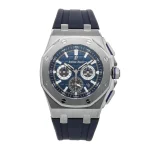
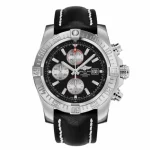
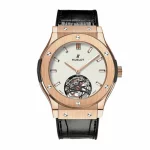
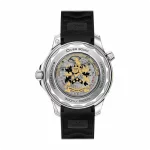
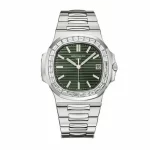
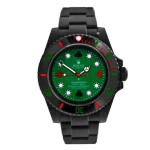
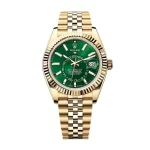


What Defines AAA Luxury Watch Quality?

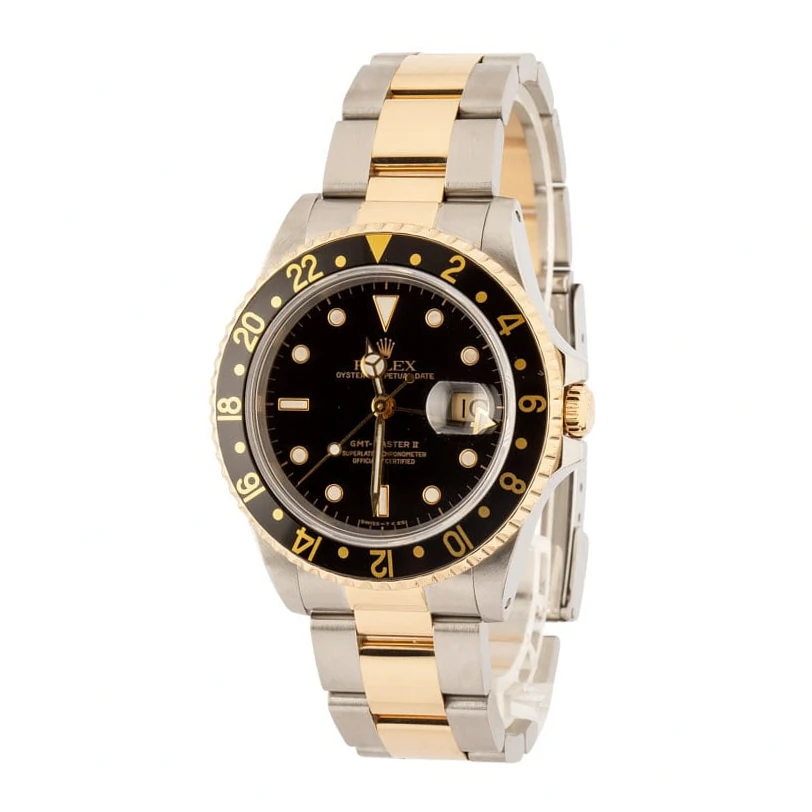
So, when someone mentions AAA luxury watch quality, what do you picture? Collectors and folks on forums talk about it a lot, but pinning down what it really means can be tricky. Basically, it’s about the top-tier replicas. These watches try their hardest to copy everything about the real deal – the craftsmanship, the materials, all the tiny details – from big names like Rolex, Patek Philippe, and Audemars Piguet. We’re not talking about cheap fakes here. This is a whole different world where people are obsessed with getting the engineering and the look just right. But to really get what AAA quality is, you’ve got to wrap your head around a few things: how well they’re made, how close the materials are, and all those tricky legal and ethical questions that never really go away. So let’s break it down and figure out what makes a watch AAA-grade in this fascinating, but pretty controversial, corner of the watch world.
Table of Content
Defining the AAA Grade in Horology
The Benchmark of Replication Standards
So, here’s the core idea: AAA isn’t some official stamp of approval from the watch industry. It’s really just a slang term people use in the replica watch world to grade quality.
What it means is a watch that tries to look and work almost exactly like the real, luxury watch it’s copying. The main thing that makes it AAA is how crazy detailed it is.
We’re talking about everything: how heavy it feels, how smooth the crown winds, how sharp the printing on the dial is, and if all the markers line up perfectly.
A real AAA-quality watch will use good stuff—think 316L stainless steel, a sapphire crystal that doesn’t glare, and sometimes even a real ceramic bezel. Inside, you won’t usually find a fancy Swiss movement.
But you will get a reliable automatic movement that ticks smoothly, or a cloned one that copies the real watch’s functions and that smooth second-hand sweep.
The whole point is to make something that, if you just glance at it or hold it, feels and looks exactly like the genuine luxury watch—unless you really know what to look for.
To really get what AAA luxury watch quality is, it’s easiest to compare it to cheaper replicas. Cheaper fakes might have mineral glass instead of sapphire, or use plated brass that feels light, not solid steel.
They often have obvious mistakes too, like a misspelled logo or a date window in the wrong spot. AAA quality gets rid of those dead giveaways. I remember once putting a mid-level fake Submariner next to an AAA one.
The difference was night and day. The AAA bezel clicked firmly and precisely 120 times in one direction, just like the real one. The cheaper one felt loose and didn’t even click the right number of times.
That comparison really showed me that AAA luxury watch quality comes down to nailing a ton of tiny details.
Let’s break down what makes a AAA luxury watch tick.
First up, let’s talk about the materials and how it’s built.
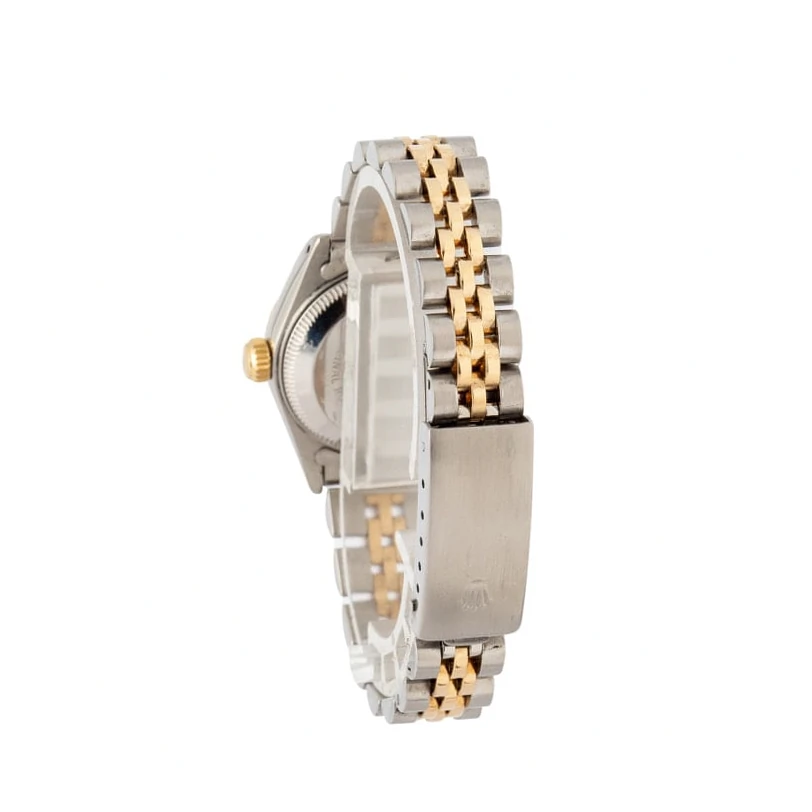
Material Fidelity: The quality of a AAA watch really starts with what it’s made of. Top-tier AAA watches use good stuff like 904L or, more often, 316L stainless steel.
This steel fights off rust well and has a nice, solid weight, just like the real deal. The bezels? They’re usually real ceramic or top-notch aluminum. The markings are laser-etched with precision and filled with platinum or tough paint that doesn’t fade. And the crystal covering the face is almost always synthetic sapphire. People love it because it’s super hard to scratch. Some of the best AAA models go a step further. They get their bracelets from the same places that make parts for real watches. This means the clasp, the links, and the shiny or brushed finishes are spot-on.
Now, the movement is where things get interesting.
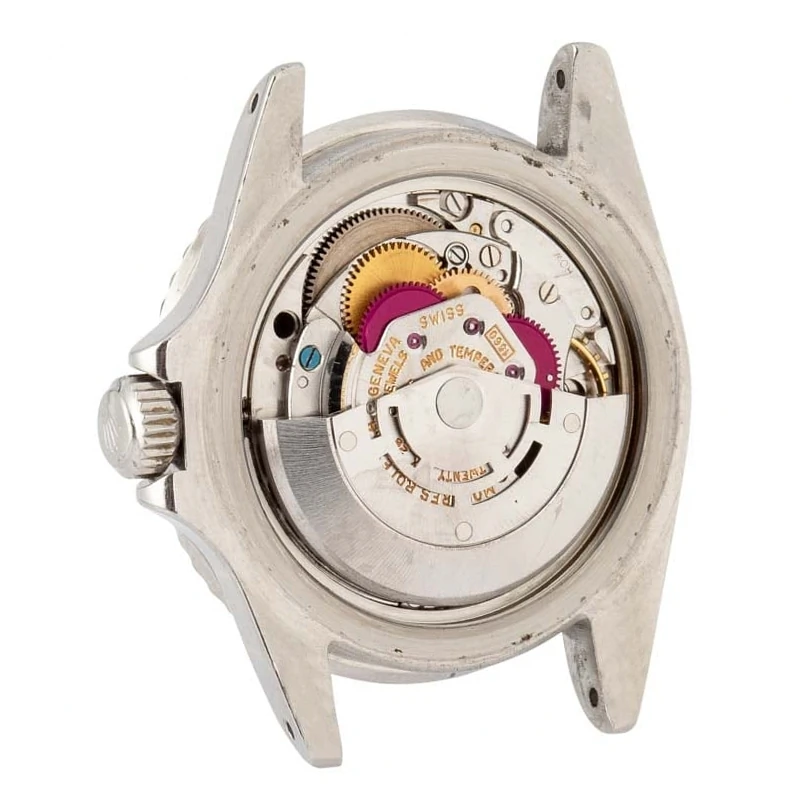
Mechanical Heartbeat: It’s the most talked-about and crucial part. You won’t usually find a real Swiss movement inside a true AAA watch. They’re just too expensive and hard to get. Instead, they use high-quality clone movements made in Asia.
The best ones copy popular movements like the ETA 2824/2836 or even the Rolex 3135. These aren’t just for show. They’re real, self-winding movements. They have similar power reserves, tick at the same speed (28,800 beats per hour).
and some even have extra features like a stopwatch or a second time zone. But there are some downsides. The big worries are whether they’ll last a long time and if you can get them fixed easily.
They might run great at first, but they haven’t been tested as thoroughly as a real Swiss movement. They just aren’t built to last as long. So, you save money upfront, but you’re taking a chance. It could break down completely or need a pricey fix in just a few years.
Getting the look and feel right is all about the tiny details.
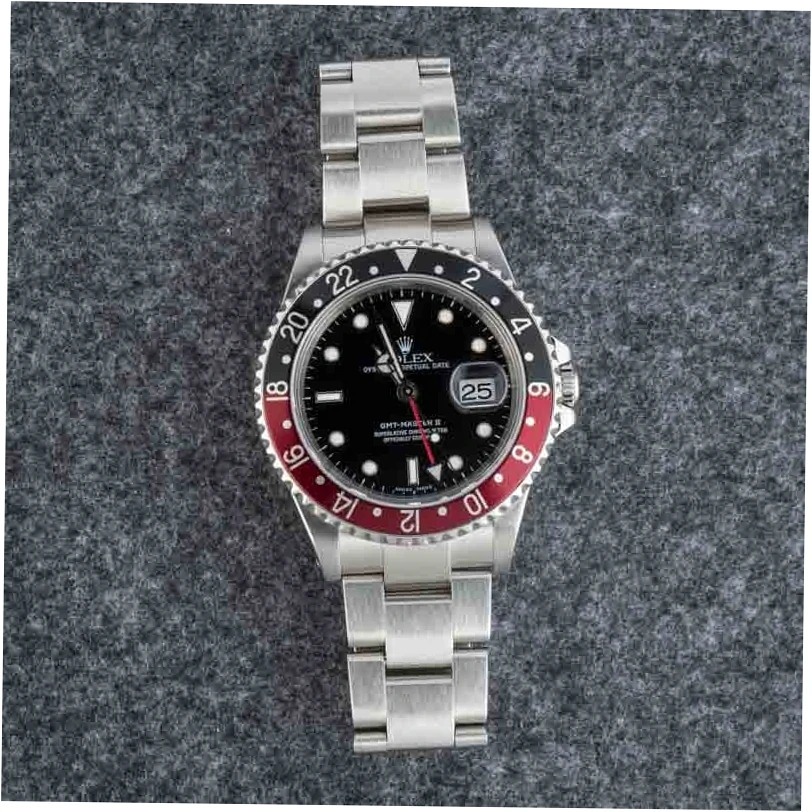
Let’s zoom in on the dial, the hands, and the glow-in-the-dark stuff.
Detail Scrutiny: The dial is like the watch’s face, and this is where a AAA watch really has to prove itself. All the printing needs to be sharp. The font has to be exactly right, with no smudges or blurry edges.
The little markers stuck on the dial have to line up perfectly and be glued on tight. The glow on the hands and markers needs to be bright and spread evenly. They often use good stuff like Swiss Super-LumiNova® or something just as good.
Cheaper fakes often mess this up—the hands glow a different color than the markers. A proper AAA watch won’t have that problem. That little magnifying bubble over the date?
It has to be the right strength (like 2.5x) and sit directly over the number. And the numbers on the date wheel need to use the exact same font as the real watch.
Now, about the finish on the case and bracelet.
This is where it gets artistic. Expensive watches are famous for their finish—how they mix shiny polished parts with finely brushed ones. AAA-grade copies nail this look. The sides of the case and the middle links on the bracelet will be mirror-shiny.
The lugs and the outer links will have a neat, straight brushed finish. Where the shiny part meets the brushed part, the line should be crisp and clear.
Any engraving on the back or between the lugs—like serial numbers—has to be deep, easy to read, and in the right font. A dead giveaway of a cheap fake is engraving that looks shallow and weak, like it was just lightly burned on with a laser.
| What to look at | In a AAA Watch | In a Cheaper Fake |
|---|---|---|
| Case Material | Solid 316L Stainless Steel | Brass with a thin coating, or lower-grade 304 steel |
| Crystal (the clear cover) | Scratch-resistant sapphire, often with anti-reflective coating | Easier-to-scratch mineral glass |
| How the Bezel Turns | Turns smoothly with a precise click (like 120 clicks for a Submariner style) | Feels loose, and the number of clicks might be wrong |
| Printing on the Dial | Sharp, perfect font, no smudges | Blurry, wrong font or spacing |
| The Movement Inside | A reliable Asian clone (like an ETA copy) or a Seiko NH35 | A cheap, less reliable movement like a DG2813 |
| Glow-in-the-dark (Lume) | Bright, even glow using good lume like Super-LumiNova® | Dim, uneven glow |
| Weight | Feels almost the same as the real watch (within 5-10 grams) | Feels obviously lighter in your hand |
The Legal and Ethical Landscape
Intellectual Property and Consumer Implications
Legal Gray Zone: We really need to talk about the big legal and ethical stuff here. Buying and owning a replica watch steps on the original brands intellectual property rights.
Think about brands like Rolex—they pour billions into research, design, and marketing. Replicas chip away at all that value. On top of that, there’s proof the replica industry is tied to organized crime and shady labor practices.
As a buyer, you get the look of a luxury watch, sure. But you lose out on everything else: the investment potential, the warranty, official servicing, and the real pride of owning the genuine article. Oh, and there’s a very real chance customs will seize your package during shipping.
Ethical Reflection: Digging into this market taught me a lot. It made me appreciate real watchmaking way more. Sure, the engineering in a top AAA luxury watch replica can be impressive. But in the end, it’s just copying someone else’s innovation.
A real luxury watch’s value isn’t just about telling time. It’s about the heritage, the in-house innovation, and the story behind it. That’s something no replica can ever truly copy. That realization changed my whole view.
I stopped looking for a shortcut. Instead, I started to value the long journey of saving up for a real watch, even if it’s just a more affordable entry-level luxury model.
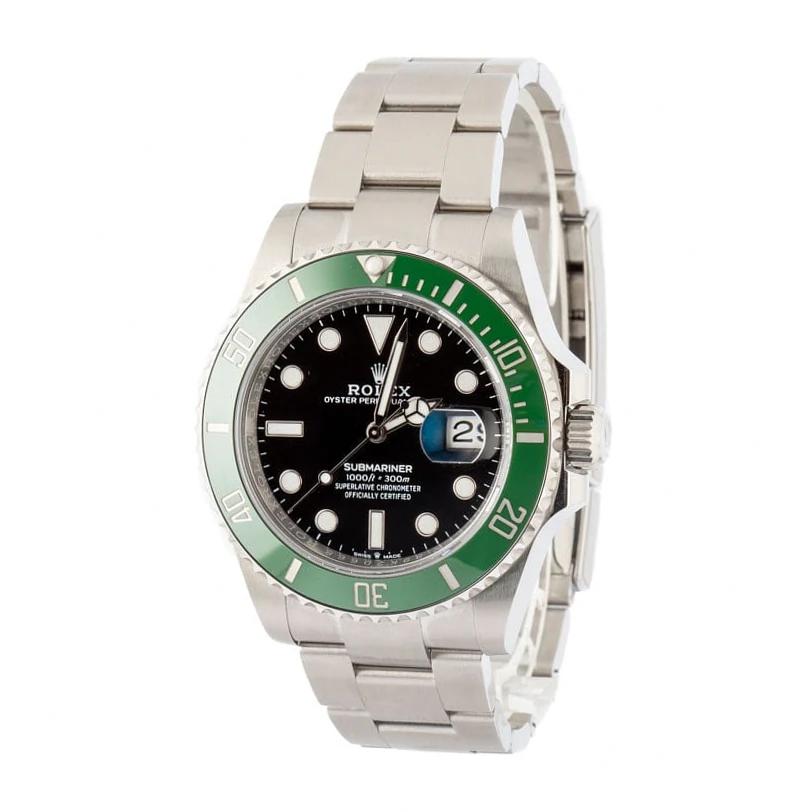
Let’s compare AAA and genuine watches, looking at the costs and benefits.
Financial and Experiential Trade-offs
First, let’s talk about the real cost, or what you get for your money. Take a Rolex Submariner that’s really A whopping $15,000. A top-tier AAA replica watch quality might only set you back $400 to $600.
Right away, you’re saving a huge amount of money, paying just a tiny fraction of the real price. But that payoff is mostly about looks and doesn’t last long. A real watch, on the other hand, you can get serviced.
It keeps its value well, and sometimes even goes up in price. A replica? Good luck selling it to a proper dealer for anything. Plus, it’s risky to get fixed. If the fake movement inside breaks, a repair could run you $200. That could double what you paid for a watch that’s now flawed.
| Here’s what we’re comparing: | For an AAA grade replica watch | For the real, genuine luxury watch |
|---|---|---|
| What you pay upfront | Around $500 | A whopping $15,000 |
| Possible repair costs | Maybe $200 if the mechanism dies | About $800 for a standard service |
| What you could sell it for after 5 years | Maybe $50 to $100, if you’re lucky | $12,000 – $18,000 |
| Warranty and help from the maker | Basically none | 5 Years Manufacturer |
| So, your total cost ends up being | About $650, and you lose money | Roughly $3,800, but you might actually make money |
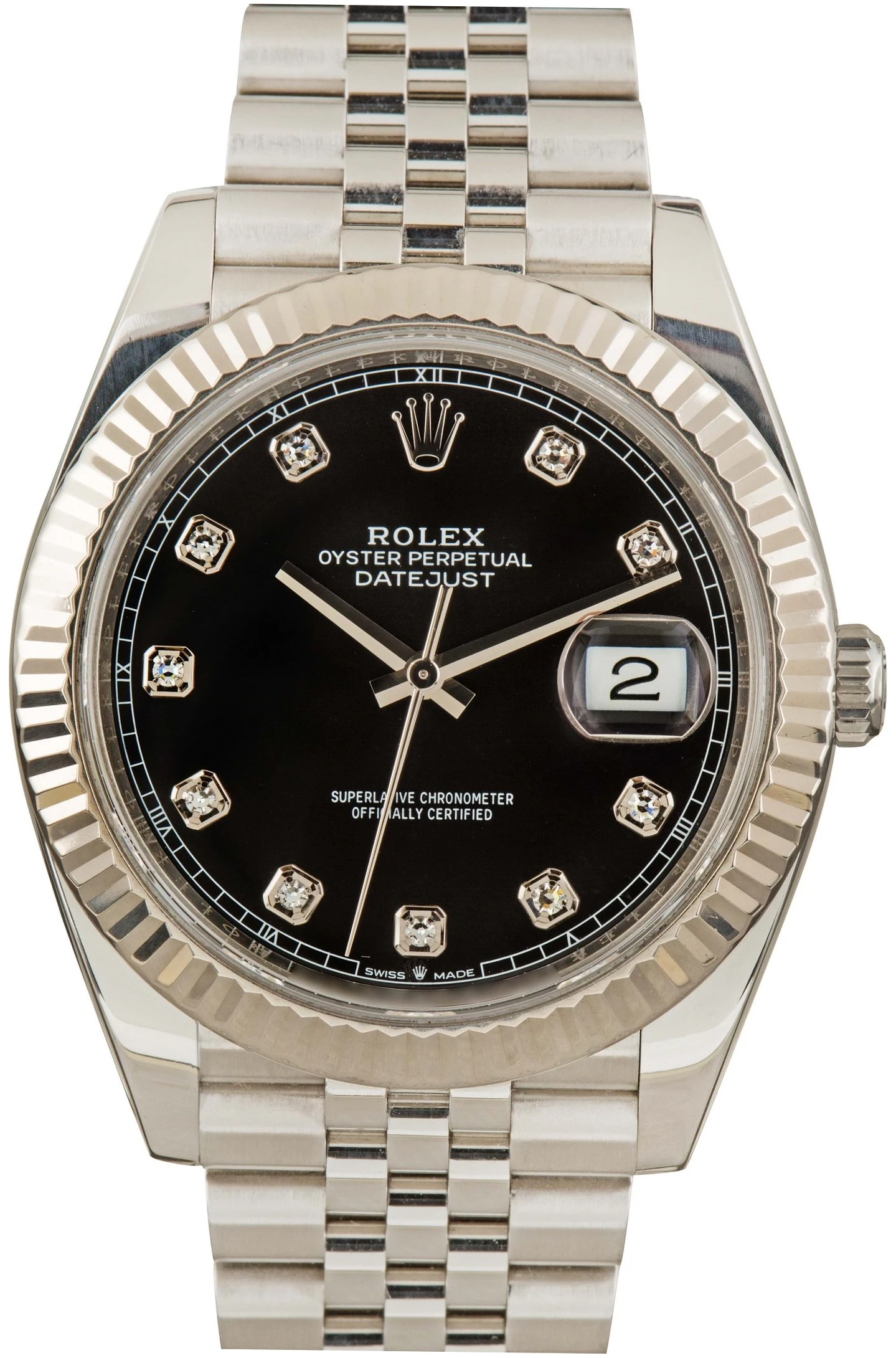
Then there’s the stuff money can’t buy, the feel-good factor.
The experience is totally different, way beyond just dollars and cents. When you wear the real deal, you feel confident. You’re connected to the history of watchmaking.
You can stroll into an official shop, chat about your watch, and have it taken care of. With a replica, part of you is always worried someone will notice it’s fake. It makes you think twice about where to wear it.
You miss out on the real joy of owning a precise piece of engineering, built on centuries of skill. From what I’ve seen, the quick thrill of a replica’s looks fades fast.
You start to really value the engineering and the story behind real watches, even from smaller brands or affordable luxury lines. They give you the real deal without the crazy price tag.
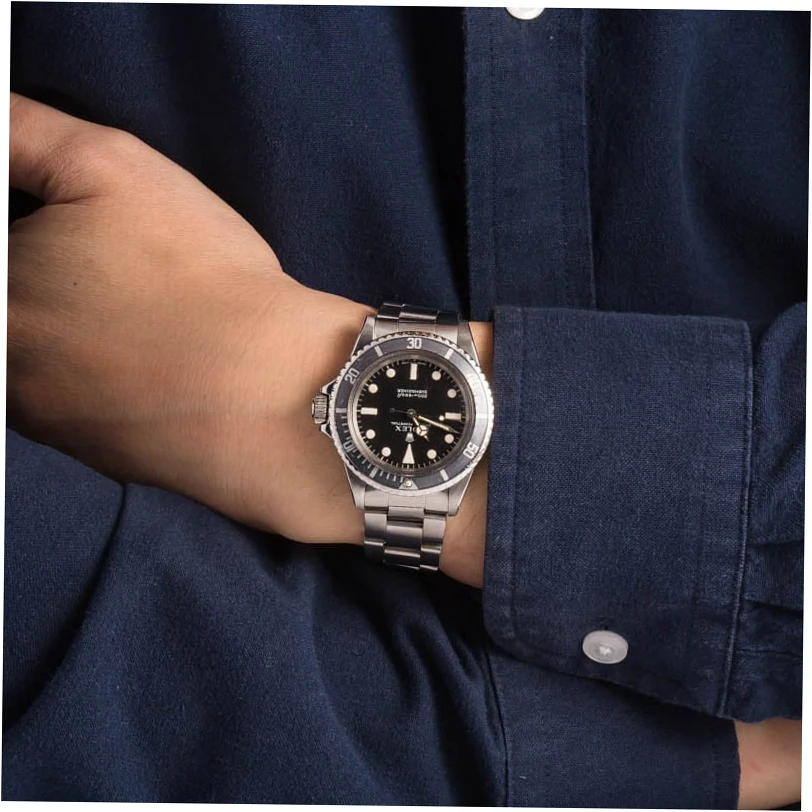
Let’s talk about navigating the market—it’s a reality check for buyers.
So, how do you spot true AAA quality?
First, do your homework. If you’re going ahead anyway, knowing your stuff is everything. Hit up specific watch forums, like RepGeek or RWI. That’s where people really pick apart the latest stuff from the factories.
You’ll hear names like VSF, Clean Factory, or ZF. These are the makers famous for putting out top-tier AAA replicas. When you get those QC pics, look closely.
Check for things like a misaligned rehaut, that floating m in 300m, or if the lume color is off. Always buy from a dealer you can trust, someone with a solid rep.
And don’t expect customer service like you’d get from an official store—it’s just not the same. Payments can be a bit sketchy sometimes, and there’s always a chance your package gets seized in shipping.
To cut down the risk, you gotta know exactly what you’re getting into. A real AAA watch for a hundred bucks? That doesn’t add up. Good quality costs more. Keep your expectations real. It’s never going to be perfect.
Even the best fakes have little issues. Maybe the date wheel sits a bit left, or the bezel color is just a shade wrong. Your job is to find the version of the watch you want that has the smallest, hardest-to-spot flaws.
Here’s a big lesson I learned: pick the movement carefully. I went for a watch with a reliable Seiko NH35 clone instead of a fancy but fragile cloned chronograph movement. That made me much happier in the long run and saved me from ending up with a useless bracelet.
So, to wrap it up, AAA luxury watch quality is basically the best a replica can get. It’s all about copying the real deal—the materials, the tiny details, and how the mechanics work.
But remember, it comes with a whole bunch of trade-offs—legal, ethical, and just plain practical ones. Sure, at first glance and feel, it can really fool you.
But deep down, it doesn’t have the history, it won’t last as long, it won’t hold its value, and you just don’t get that peace of mind you have with the real thing.
In a weird way, the skill that goes into these fakes shows how much people want the original designs. But at the end of the day, it’s still just a copy. A really clever trick, not a real achievement in watchmaking.
So, did this deep dive into the tricky world of watch quality help you out? Drop your own thoughts or stories about watch craftsmanship in the comments!
If you want to learn how to check if a luxury watch is real and spot the differences yourself, take a look at our detailed guide on the tell-tale signs.
FAQ: AAA Luxury Watch Quality
So, is a AAA grade watch just another name for a super clone?
Well, not really. AAA is actually a broader and older term people use for high-quality replica watches. Super Clone or 1:1 Clone are newer, flashier marketing terms.
They usually mean the very best replicas out there, sometimes with better materials and more accurate clone movements inside. The goal of a Super Clone is to look perfect. You’d need a pro watchmaker to open it up and tell it’s fake.
You can think of it this way: AAA is the general category, and Super Clone is the top-of-the-line model in that category.
Okay, but can a top AAA watch actually fool a watch enthusiast?
From a distance or at a party, a really good AAA or super clone can look totally legit. But if someone who knows their stuff takes a close look, they’ll probably spot the differences. Little things give it away.
Like the sound the rotor makes, how the movement looks if you can see it, the sharpness of the engravings, or even tiny differences in the dial’s color. So it might trick a casual glance, but it usually won’t hold up if an expert decides to really check it out.
What about the gold? Do AAA watches use the real thing?
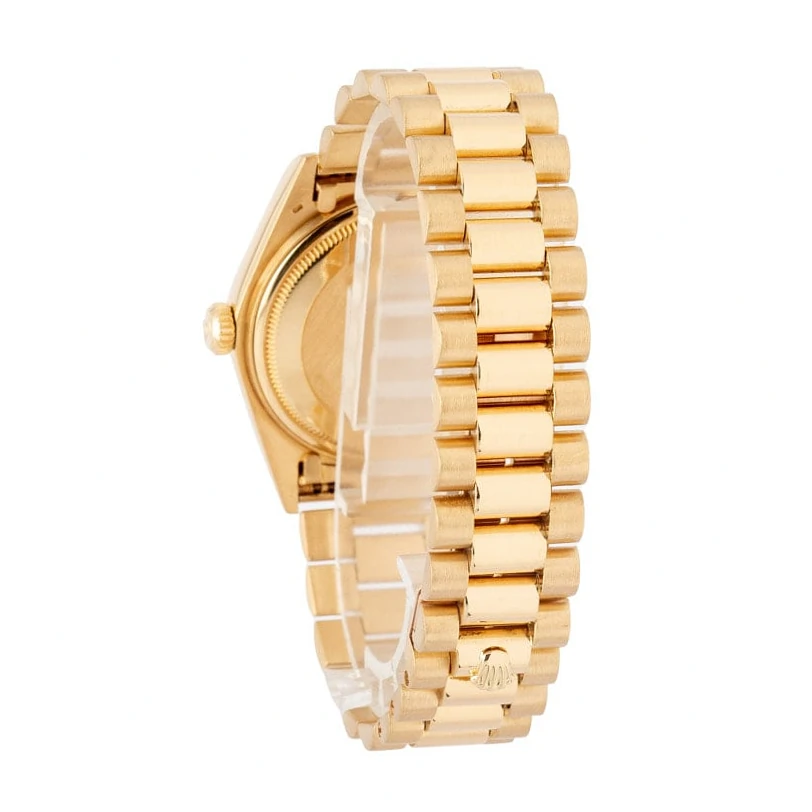
Usually, no. Most gold-colored AAA watches are just stainless steel with a layer of gold plating on top. Some fancier versions might have thicker plating or a gold wrap. But using solid 18k gold like the real deal?
That’s way too expensive and kind of misses the point of buying a replica. The weight and color might seem close at first. But over time, that plating can rub off and show the steel underneath.
So, what’s the main weak spot of a AAA luxury watch?
Hands down, it’s the movement inside. The outside can look almost perfect. But inside, that clone or Asian automatic movement just doesn’t have the same tough testing, quality checks, or lasting power as a real Swiss movement.
That’s the part most likely to break down. It’s also hard to get fixed. In the end, it decides how long the watch will actually work, and that’s usually much shorter than a real watch’s lifespan.


