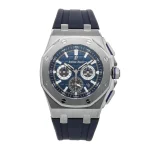
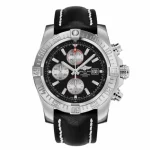
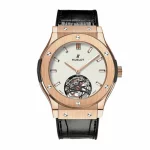
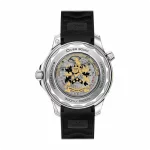


Are AAA Replica Watches a Smart Purchase?

I’m really into watches, and I’ve dealt with the tricky replica market. People keep asking me: are AAA replica watches actually worth buying? You can’t just answer yes or no. It’s more complicated. You’ve got to think about the value, the risks, and what you personally think is right. Those top-tier replicas, called AAA or 1:1 clones, look almost exactly like the real Rolex, Omega, or Patek Philippe watches. And they cost way less. But don’t be fooled by the shiny looks. Underneath, there’s a lot of legal trouble, the quality can be all over the place, and you might end up wasting your money. So, let’s break down what these fake watches are really worth. We’ll look past the cheap luxury style and check out all the real costs, both obvious and hidden.
Table of Content
Let’s talk about AAA replica quality—what’s the hype, and what’s the real deal?
First up, what does AAA grade even mean for replica watches?
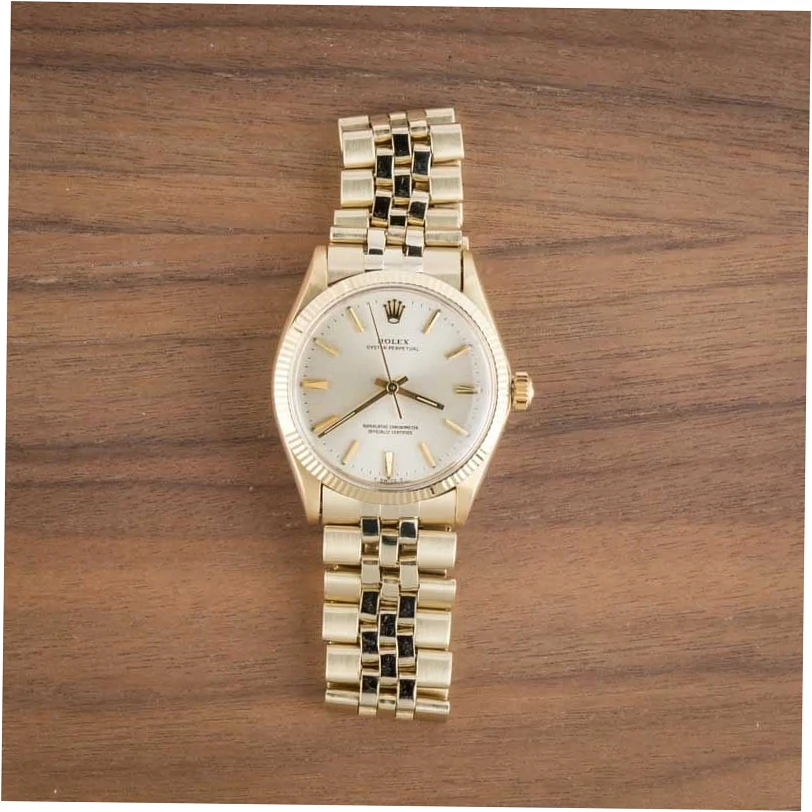
Basically, AAA is a label sellers use. It’s not official, but it’s supposed to mean the best fake you can get. They promise a watch that feels real—same weight, materials like good steel, and details like a smooth second hand and working buttons.
I’ve handled a few, and the good ones can really surprise you with how solid they feel. The clasp snaps right, it has a nice weight on your wrist, and the dial looks good up close. But here’s the catch: nobody regulates that AAA label.
So one seller’s AAA could be another’s average fake. This confuses buyers big time, and you often end up disappointed when the watch isn’t as great as advertised.
You gotta know, not all replica watches are the same. There’s a clear pecking order in the replica market. Here’s how it breaks down, from what I’ve seen and what most folks agree on:
| Level | What They’re Called | Main Features | Usual Price |
|---|---|---|---|
| The Bottom Tier | Think street fakes or Canal Street specials. | They’re light, have plastic glass, logos might be spelled wrong, and they use cheap quartz movements. | They’ll run you $20 to $100. |
| Middle of the Road | Often just called standard replicas. | They feel heavier, use mineral glass, have basic self-winding movements, but someone who knows watches will spot the flaws. | Prices are usually between $100 and $300. |
| The Top Shelf | This is the AAA, 1:1, or super clone tier. | You get proper steel, scratch-resistant sapphire glass, cloned or high-quality automatic movements, and crazy attention to detail. | $300 – $800 |
Now, about materials and the movement inside. A real top-tier AAA replica often has that tough sapphire crystal and a solid steel case. But the movement is where things get tricky. Some use reliable Japanese movements, but others try to copy Swiss ones exactly. Those cloned movements are clever, sure, but they won’t last as long, you can’t really get them serviced easily, and they’re just not as polished as the real deal. A watchmaker buddy showed me a super clone movement that died in under a year. No parts to fix it either. That’s a big hidden cost right there.
So, is there any real value in buying a AAA replica watch?
For a lot of people, the appeal isn’t about telling time. It’s about wearing a cool design you love, without the crazy price tag. It lets you get into the look and feel of nice watches.
I remember a coworker who bought a fake of a watch he’d wanted for ages. For him, it was like a tribute. A way to try out the style before maybe buying the real thing someday. That instant satisfaction and boost in confidence you might get? For some buyers, that’s a real perk.
But hold on. There’s a heavy ethical side to this too. Wearing a fake can make you nervous about getting caught. That worry can totally ruin the confidence you were going for.
Plus, your money supports an industry that steals designs and might be tied to other shady stuff. And if people find out, the embarrassment can hurt you at work or with watch fans who really care about honesty. So when you ask if a AAA replica is worth buying, you’ve gotta think about this moral stuff too.
Let’s talk about the legal risks and money traps.
You’re basically dealing with a legally gray market.
Here’s the core risk. Buying a replica watch for yourself is in a legal gray area in many places. But selling them or importing them to sell? That’s flat-out illegal. Customs in the US, EU, and other places are always on the lookout.
They actively seize fake goods. Your personal purchase could get destroyed. You might even get hit with a fine. For a single buyer, the legal risk is usually low, but it’s never zero. It just adds hidden costs and stress to the whole deal.
I thought about this risk myself when I was looking. In the end, I decided the potential hassle just wasn’t worth a short-lived thrill.
Then there’s seller reliability and scams. The replica market is full of them. Websites can vanish overnight. Sellers might pull a bait-and-switch, sending you a worse product. Or they just take your money and disappear.
You get no consumer protection here, no warranties. And if you pay certain ways, forget about chargeback guarantees. Sure, there are trusted forums that vet sellers. But even on those, every deal comes with its own risk.
You’re basically throwing your money into the void and just hoping it works out. Getting scammed means a total financial loss. That good deal turns into nothing.
The Hidden Costs of Ownership
Long-Term Reliability and Service Nightmares
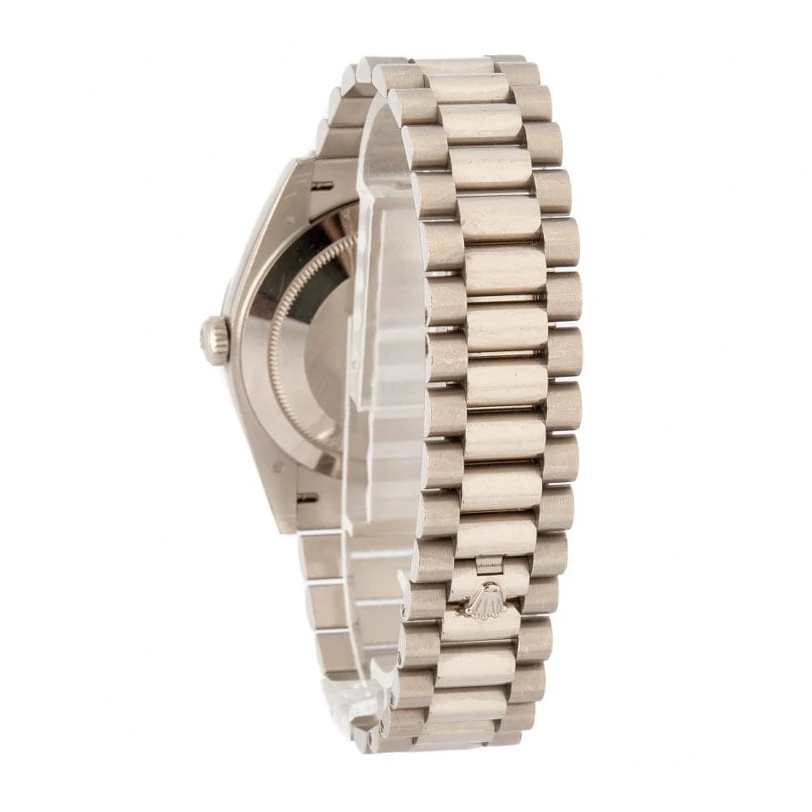
Here’s the core issue: a real luxury watch is like an heirloom. It usually comes with a warranty that lasts for years and is honored worldwide, plus you have a whole network of official places that can service it.
But a AAA replica? That’s more like a disposable gadget. You just don’t know how long it’s gonna last. And when it breaks—which it will—good luck finding a watchmaker who’ll fix an illegal fake. It’s really tough.
Even if you find someone, they’ll charge you extra. The parts aren’t standard, and there’s no proper manual to follow. I’ve read stories online where a simple fix ended up costing more than the replica watch did in the first place.
So that cheap price tag at the start? It can quickly turn into a pretty expensive thing to own overall.
Now, let’s talk about resale value and investment. This is a huge difference. A real Rolex Submariner might keep its value or even go up in price over time. A AAA replica, though, has basically zero resale value in the proper market.
That money is just gone. You can’t even try to sell it on most normal websites without risking getting banned. Think about it: the cash you’d drop on a high-end replica could instead go towards a real.
entry-level nice watch from brands like Tissot, Seiko Presage, or Hamilton. Those watches keep their value, and you can actually sell or trade them later. The table here shows how they stack up over time:
| What to Look At | Real Luxury Watch | AAA Replica Watch |
|---|---|---|
| What You Pay First | High ($3,000 – $50,000 ) | Low (around $300 to $800) |
| What You Can Sell It For Later | High (often 70-100% of retail) | Almost Nothing to Zero |
| Fixing It | Shops everywhere in the world, and they use real parts | Hard to find someone, costs a lot, and they use unofficial parts |
| How Long It Lasts | Can last for decades if you take care of it | It’s a gamble (usually 1 to 5 years) |
Alternatives to Consider
Legitimate Horology on a Budget
Here’s a core idea: before you buy a replica, check out the awesome world of real watches that won’t break the bank. You’ve got microbrands like Baltic, Lorier, and Traska. They offer original designs, great quality, and movements you can count on.
Then there are the big names like Seiko, Citizen, and Orient. They give you amazing value, with their own engineering and a real history behind them. Take a Seiko 5 or a Citizen Eco-Drive.
They’re tough, innovative, and give you peace of mind—something a replica watch just can’t do. You end up owning a real piece of engineering. It has its own story and soul, not just being a copy.
Now, let’s talk about the pre-owned market. It’s a total treasure trove if you’re looking for value. On sites like Chrono24 or through good dealers, you can find authenticated, pre-loved watches from big brands, often at a much lower price.
If you’re patient, you might snag a real Tudor, Omega, or even a Rolex from a few years back. Sure, it costs more than a replica, but you’re getting true ownership.
It’s an investment and your ticket into the real watch community. Going this route builds real equity—for your wallet and your watch knowledge.
So, you’re thinking about buying a AAA replica watch? Here’s a personal checklist to help you decide.
First, figure out what really matters to you.
The main thing is to be honest with yourself. Ask: is a AAA replica watch really worth it for me? What’s your main goal? Do you just love the look, or do you want to truly own the real deal? Can you handle the risks?
Like it getting seized, being scammed, or the watch just breaking down? And are you okay with the ethics of buying a fake? How much do you care about the watch lasting a long time and getting it serviced?
If you just want a cool-looking accessory you know is fake, and you don’t plan on keeping it forever, then a good replica might do the trick. But if you’re after a watch with history, that’s super reliable, or could be an investment, forget it. A replica totally fails there.
Okay, let’s say you still want one. How do you lower the risks? If you’ve thought it over and you’re going for it, here’s how to play it safe. Do your homework.
Hit up replica forums, like RWI, and find sellers everyone trusts and who’ve been around a while. Learn about the little flaws or tells for the specific watch model you want. Don’t wire money directly.
Try to use a payment method that offers you some protection. Keep your expectations in check. It’s never going to be absolutely perfect. Most importantly, don’t try to fool people into thinking it’s real. Just enjoy it for what it is: a clever copy.
Conclusion and Final Verdict
Alright, so let’s get to the big question: are those AAA replica watches actually worth your money?
The answer really depends on you, but for most real watch lovers, it’s a pretty clear no. That cheap price tag is a total illusion. It hides a bunch of nasty stuff: you could get scammed, run into legal trouble.
the watch will be worthless if you try to sell it, and it’s bound to break down eventually. Plus, there’s the whole ethics thing, and good luck getting it fixed if it breaks. That really kills any deal you think you’re getting.
Sure, the best fakes are made really well, but that just feeds a bad system. What makes watch collecting special is the real deal—the history, the genuine craft, the authenticity. A fake just doesn’t have any of that.
So if you love those luxury designs, put your cash and your interest somewhere better. You could start with a real watch that fits your budget, save up for a second-hand classic, or check out the cool stuff from microbrands.
You won’t just get something to tell time. You’ll get a dependable piece you can count on, and a real part of an amazing hobby.
What do you think?
Ever thought about buying a replica watch, or maybe you already have? How did it go? Jump into the chat and tell us your take in the comments.
If you’re into building a cool watch collection without spending a fortune, our guide’s got you covered. It’s all about smart picks under $1000.
Here are some common questions people have.
So, what’s the real difference between a AAA replica watch and the real luxury deal?
It boils down to two big things: being the real deal and how long it lasts. A real watch comes from the brand’s own designs and engineering. They have strict quality checks, a warranty, and official places to get it serviced.
A AAA replica, even if it looks good on the surface, is just an illegal copy. It uses parts that aren’t original and are usually worse. The inside mechanics are less reliable. You can’t really sell it later for any money. Plus, there are legal and ethical issues that come with it.
What if my AAA replica breaks? Can a watchmaker fix it?
Most good watchmakers won’t touch fake watches. They don’t want the legal trouble, and they don’t have the right parts. You might find an independent repair person who will, but they’ll charge you a lot.
Finding parts for a replica is really hard. Often, fixing it costs more than the watch is worth. That basically makes it a throwaway item.
How do you tell a good AAA replica from a bad one?
The better ones feel heavier because they use solid steel. They have scratch-resistant sapphire glass and a smooth-sweeping automatic movement inside. Check the little things. Are the hour markers lined up perfectly?
Is the glow-in-the-dark paint good? Are the engravings deep and crisp? How does the bezel turn—does it feel and sound solid? The cheap fakes feel light and flimsy. They have plastic glass and a basic, ticking quartz movement.
Is it actually illegal to buy a replica watch just for yourself?
You probably won’t get prosecuted for buying one watch for yourself in places like the US or Europe. But technically, bringing fake goods into the country is against the law. Customs officials can and will confiscate these watches if they find them.
That means you lose both your money and the watch. Also, your money ends up supporting criminal operations. So even though the chance of getting in trouble is low for one person, that legal risk is a real hidden cost of buying a replica.


